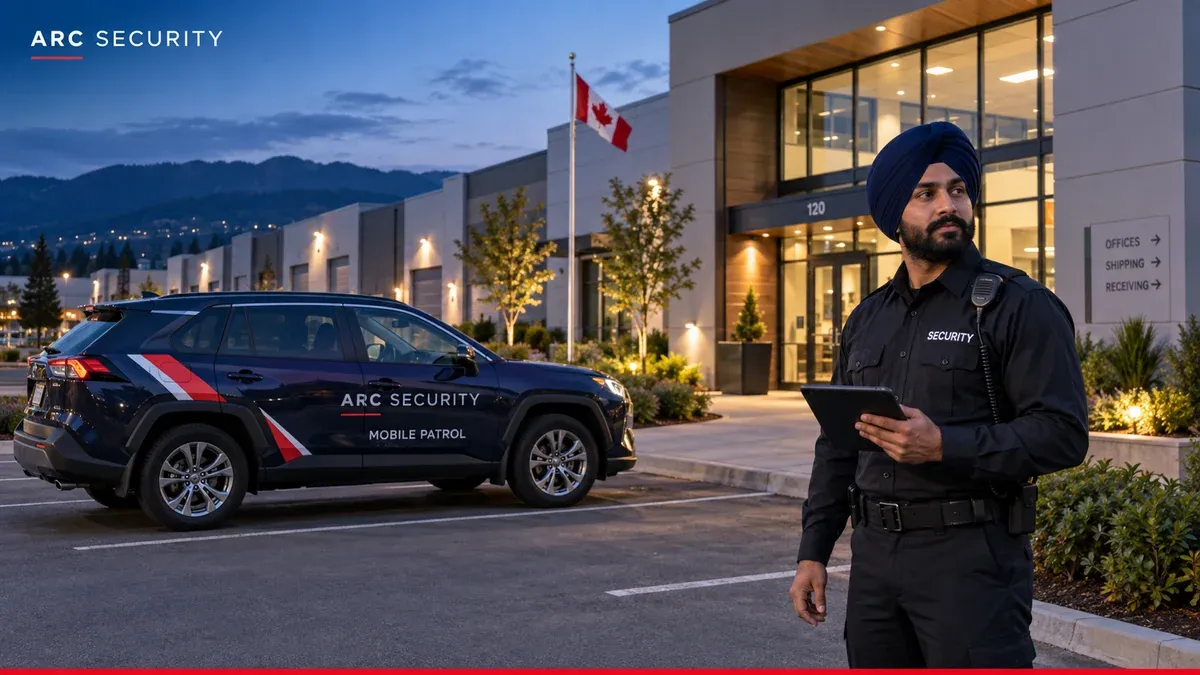

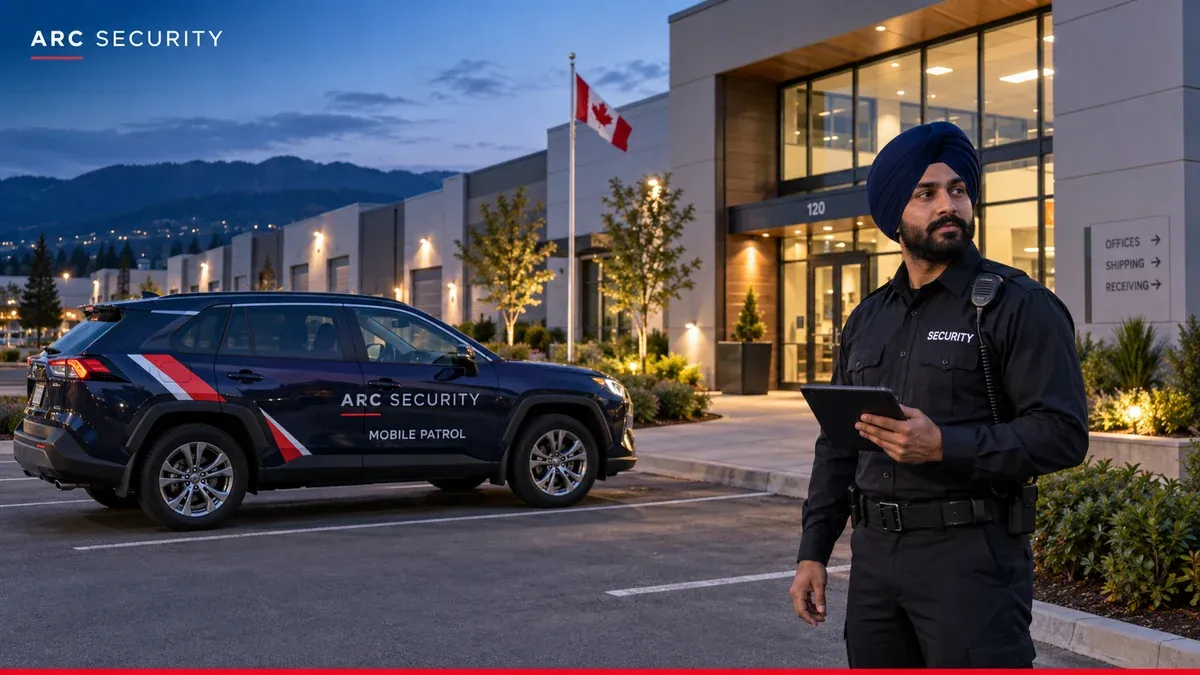
An empty parking lot at midnight looks harmless until someone tests the fence line. That kind of gap is exactly why mobile patrol has become such a common line item for property managers and business owners across Canada. ARC Canada works with clients who want scheduled and randomized checks on properties that sit unattended for long stretches, from vacant retail units to industrial yards. Good mobile patrol coverage blends timing, documentation, and a fast response when something looks off. Ask yourself this: does your property have eyes on it after the last employee locks up for the night? For a lot of owners, the honest answer is no, and that blind spot is where a patrol contract earns its value fast. This guide covers what mobile patrol actually involves, what shapes the cost, and how to pick a provider worth trusting.
What mobile patrol actually covers
Mobile patrol means trained officers checking a property on a set or randomized schedule rather than staying posted at one fixed location. It includes exterior walkthroughs, lock and gate checks, and a written log of anything unusual found along the way. A retail plaza, a construction yard, and a vacant office building all carry different risks, but the purpose stays consistent: create visible, documented activity on a site that would otherwise sit unwatched.
Officers typically check perimeter fencing, confirm lighting is working, and note any vehicles or signs of entry that do not belong. They also respond to triggered alarms when a client's monitoring system flags an issue overnight. Because mobile patrol depends on timing and documentation, a provider's reporting quality matters as much as how often the vehicle shows up.
Statistics Canada recorded more than 1.35 million property crimes in 2023, with over 130,000 of those reports involving break and enter. That volume explains why so many property managers now build patrol checks into their standard operating budget rather than treating security as a reaction to a single bad incident.
Types of mobile patrol coverage and where each fits
Not every site needs the same patrol rhythm, and mismatched coverage leaves predictable gaps. A busy retail plaza benefits from a different rhythm than a vacant building waiting on a tenant, so providers typically offer a few coverage models that owners mix based on risk and budget.
Scheduled patrols hit the same stops at set times, which works well for properties needing predictable documentation for insurance purposes. Randomized patrols vary timing deliberately, making it harder for anyone watching the property to predict when a vehicle will arrive. GPS-verified rounds add a layer of proof, logging exact times and locations so an owner can confirm coverage after the fact rather than taking a report at face value.
| Coverage type | Core role | Best suited for | Typical deployment |
|---|---|---|---|
| Scheduled patrol | Consistent, predictable checks | Insurance-compliant vacant properties | Fixed time slots, logged visits |
| Randomized patrol | Unpredictable timing, stronger deterrence | Retail plazas, industrial yards | Variable rounds through a shift |
| GPS-verified patrol | Time-stamped, location-verified checks | Multi-site portfolios | Route tracking with digital reports |
| Combined patrol and alarm response | Routine checks plus emergency dispatch | Properties with active monitoring systems | Scheduled rounds, on-call response |
Local providers that focus specifically on patrol work, including firms like ARC Canada, tend to know which rhythm suits a given neighbourhood and property type. That local knowledge matters, since a downtown commercial strip and a rural equipment yard face very different overnight risks.
What a patrol shift actually looks like
A patrol only earns its keep if the officer actually knows the property, so most providers start with a site walkthrough before the first shift begins. That first visit maps entry points, lighting gaps, and any spots where a fence line sits easy to breach.
From there, officers follow a route built around the property's specific weak points rather than a generic loop. Each stop gets logged with a time stamp, and anything unusual, from a propped-open door to a broken window, gets flagged to the property manager right away rather than buried in a weekly summary.
Consider a vacant commercial unit between tenants, sitting empty for several months while renovations get finalized. A randomized patrol officer notices a rear door latch that no longer catches properly during a Tuesday night round and reports it before the next scheduled check. The property manager arranges a repair within days, closing the gap before anyone tests it further. That kind of catch depends on a patrol officer who actually knows what the property should look like, not just a vehicle driving past.
What drives the cost of mobile patrol
Every property carries a different risk level, and that level shapes how much patrol coverage actually makes sense. Rather than a flat rate, providers usually build a plan around a handful of factors specific to the site.
Factors owners can influence
Patrol frequency, route complexity, and whether alarm response gets bundled into the contract all affect coverage directly. A property with clear sightlines and working lighting generally needs a lighter patrol schedule than a site with blind corners and multiple access points. Documentation requirements, such as photo reports for insurance, also shape what a provider needs to deliver each visit.
Factors set by the property or location
Some cost drivers sit outside an owner's control. Neighbourhood crime patterns, property size, and how many buildings sit on one site often dictate minimum patrol frequency regardless of preference. A large industrial yard with multiple structures, for example, usually needs more coverage than a single small retail unit.
How to choose the right mobile patrol provider
Choosing a provider is where most of the real protection gets decided, so it deserves more than a quick comparison of hourly rates. Start by asking how patrol visits get documented, since most Canadian insurers require regular, verifiable inspections to maintain coverage on a vacant or unoccupied property.
Standard home insurance policies typically require someone to check a primary residence every 48 to 72 hours during an absence, while vacant commercial buildings often need weekly or biweekly documented inspections to stay compliant. A provider that understands these requirements protects your coverage as much as your property.
A specialist that focuses on patrol work, rather than splitting attention across event staffing or retail loss prevention, tends to build stronger routes and sharper reporting than a broad national chain. A firm like ARC Canada, for instance, brings patrol-specific experience that a general security provider usually cannot match, without any need to claim it is the only option worth considering.
Ask a shortlist of providers how quickly they respond to a triggered alarm, whether GPS verification comes standard, and how incident reports reach you after hours. A licensed security consultant in Ontario put it plainly during a recent industry discussion: owners who confirm reporting standards before signing rarely face disputes when a claim comes up later.
Conclusion
Mobile patrol works best as a documented, consistent presence rather than an occasional drive-by. Match the coverage type to your property's risk level, confirm your provider's reporting meets your insurer's requirements, and revisit the schedule as tenancy or seasons change. If you want a local team that understands patrol coverage across Canada, ARC Canada offers a straightforward site assessment and can walk you through the right rhythm for your property, without any pressure to overbuy.
FAQs
How much does mobile patrol security cost in Canada?
Cost depends on patrol frequency, route complexity, and whether alarm response gets bundled in, rather than a single flat rate. Owners usually get the clearest picture from a site-specific assessment after a provider reviews the property.
Do vacant properties in Ontario need regular security checks for insurance?
Many Canadian insurers require documented inspections, often weekly or every few days, to maintain coverage on a vacant or unoccupied building. Skipping documented checks can put a claim at risk if a loss happens later.
How often should a mobile patrol visit a commercial property?
Frequency depends on the property's size, location, and risk level, with some sites needing several checks a night and others requiring only weekly visits. A walkthrough with a provider usually produces a more accurate schedule than a general guess.
Does mobile patrol still work through winter conditions across Canada?
Patrol routes typically need adjustment for shorter daylight hours, icy walkways, and snow-covered sightlines. A provider familiar with Canadian winters usually builds those seasonal changes into the route from the start.
Is mobile patrol worth it for a small business with one location?
Even a single-site business benefits from randomized checks, particularly if the property sits unattended overnight or on weekends. A short consultation can clarify whether occasional patrol or a tighter schedule fits the risk.

























Sign in to leave a comment.