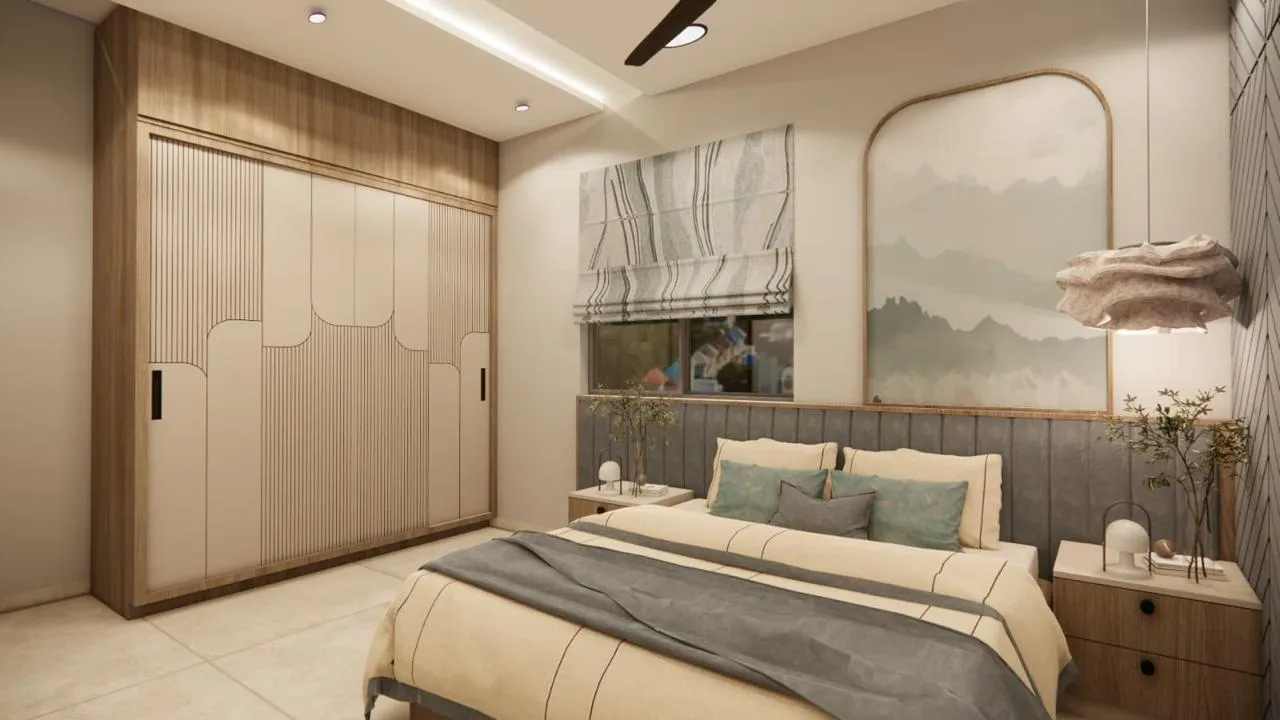

Your bedroom is more than just a place to sleep. It is your personal space to relax, recharge and spend quiet time away from the rest of the home.
A well-designed bedroom should therefore balance comfort, functionality, storage and aesthetics. From the position of the bed and wardrobe to lighting, colours and furniture, every decision can affect how the room feels and functions.
Modern bedroom interior design is increasingly focused on creating calm, uncluttered spaces that reflect the homeowner's personality while providing practical everyday functionality.
Whether you are designing a master bedroom, guest bedroom or children's room, thoughtful planning can make a significant difference.
If you are planning bedroom interiors in Pune or Lohegaon, here are practical ideas to help you create a comfortable and stylish bedroom.
1. Start With the Bedroom Layout
Before selecting furniture or colours, start with the layout.
The position of the bed should usually be the first consideration because it is the largest and most important piece of furniture in the room.
Then plan the locations of:
- Wardrobe
- Side tables
- Dressing unit
- TV unit
- Study table
- Windows
- Doors
- Electrical points
Make sure there is enough space to move comfortably around the bed and access the wardrobe and other furniture.
Avoid placing furniture where it blocks doors, windows or natural movement paths.
A well-planned layout can make even a compact bedroom feel comfortable and organised.
2. Choose the Right Bed Size
The bed is normally the focal point of a bedroom, but its size should be proportional to the room.
A king-size bed can be comfortable in a spacious master bedroom, while a queen-size bed may be more practical for a smaller room.
Before finalising the bed size, consider:
- Room dimensions
- Wardrobe position
- Side-table space
- Passage space
- Door opening
- Window position
- Future furniture requirements
Don't choose a bed simply because it looks impressive.
The right size should provide comfortable sleeping space without making the rest of the room difficult to use.
3. Design a Functional Headboard
The wall behind the bed offers an excellent opportunity to add character to the bedroom.
Instead of using only a traditional headboard, you can create a complete feature wall using:
- Upholstered panels
- Wooden panelling
- Fluted panels
- Wallpaper
- Textured paint
- Backlit panels
- Decorative mouldings
For a modern bedroom, a combination such as wood + fabric + warm lighting can create a sophisticated yet comfortable appearance.
The headboard can also incorporate small shelves or integrated side storage where appropriate.
However, avoid making the wall overly decorative. The bedroom should remain visually calm.
4. Plan the Wardrobe Carefully
Wardrobes are one of the most important elements of bedroom interior design.
A beautiful wardrobe is useful only if it provides enough storage for your actual requirements.
Before designing the wardrobe, consider what you need to store:
- Everyday clothes
- Formal clothing
- Sarees
- Shoes
- Bags
- Accessories
- Watches
- Documents
- Seasonal clothing
- Blankets
You can divide the wardrobe into different sections according to usage.
For example:
Hanging section: Shirts, dresses and formal clothing
Drawers: Accessories and smaller items
Shelves: Folded clothing
Upper storage: Seasonal items and luggage
Sliding shutters can also be useful in rooms where opening traditional wardrobe doors would interfere with circulation.
For a complete home project, wardrobe planning can be coordinated with the rest of the interior design. You can explore Ekratna Interiors & Constructions' interior design services for residential interior solutions.
5. Use a Calm Colour Palette
Bedrooms generally work best with colours that create a relaxed atmosphere.
Popular options include:
- Warm white
- Beige
- Cream
- Soft grey
- Sage green
- Muted blue
- Taupe
- Earthy tones
You can introduce stronger colours through a feature wall, cushions, artwork or upholstered furniture.
Avoid using too many intense colours in a bedroom.
A neutral base combined with one or two accent shades can create a sophisticated and relaxing environment.
6. Pay Attention to Bedroom Lighting
Lighting is one of the most important parts of bedroom design.
A single bright ceiling light may not provide the atmosphere you want.
Instead, consider layered lighting.
Ambient Lighting
Provides general illumination throughout the room.
Examples include:
- Ceiling lights
- Recessed lights
- Cove lighting
Bedside Lighting
Useful for reading and nighttime activities.
Options include:
- Bedside lamps
- Wall-mounted lights
- Pendant lights
Accent Lighting
Can highlight:
- Headboard
- Wardrobe
- Decorative wall
- Shelves
Warm lighting is often suitable for bedrooms because it can create a softer evening atmosphere.
Electrical and lighting points should be planned before the final interior work begins.
7. Make the Most of Bedside Storage
Bedside tables may look like small details, but they are highly practical.
They can provide space for:
- Mobile phones
- Books
- Lamps
- Chargers
- Medicines
- Personal items
If space is limited, consider floating bedside tables.
They can provide useful surface space while keeping more of the floor visible.
Another option is to integrate bedside storage into the headboard design.
This can create a cleaner and more coordinated appearance.
8. Create a Dedicated Dressing Area
If your bedroom has enough space, a dressing area can improve everyday convenience.
A practical dressing zone can include:
- Mirror
- Dressing counter
- Drawers
- Lighting
- Storage for accessories
Lighting around the mirror is particularly important.
Avoid positioning the dressing area where it creates unnecessary congestion near the wardrobe or bathroom entrance.
In compact bedrooms, the dressing area can sometimes be integrated into the wardrobe rather than creating a completely separate unit.
9. Consider a Bedroom Study or Work Area
With work-from-home and hybrid working becoming common, bedrooms sometimes need to accommodate a compact workspace.
If you need a study area, consider:
- Wall-mounted desk
- Compact work desk
- Floating shelves
- Comfortable chair
- Task lighting
- Cable management
Keep the work zone visually simple.
If possible, position it away from the bed so the sleeping area remains visually calm.
In smaller homes, multifunctional furniture can help combine work and storage without consuming excessive floor space.
10. Choose Flooring That Complements the Design
Flooring contributes significantly to the overall appearance of a bedroom.
Common options include:
- Wood-look flooring
- Wooden finishes
- Large-format tiles
- Neutral vitrified tiles
- Marble-look flooring
The flooring should complement the wall colour, wardrobe, bed and other furniture.
If you already have flooring installed, select the remaining interior elements around it rather than trying to make every element stand out individually.
A rug can also add warmth and texture, especially around the bed.
11. Use Curtains to Control Light and Privacy
Curtains perform both functional and decorative roles.
For bedrooms, consider combining:
Sheer curtains + blackout curtains
Sheers can provide daytime privacy while allowing natural light to enter.
Blackout curtains can help control light when sleeping or relaxing.
When selecting curtain colours, coordinate them with the overall bedroom palette rather than matching them exactly with the walls.
Floor-length curtains can also make the room appear visually taller.
12. Keep Storage Organised
A bedroom can quickly lose its visual appeal when storage becomes cluttered.
Good bedroom interior design should therefore consider not only the amount of storage but also how easily it can be organised.
Use:
- Drawer organisers
- Dedicated accessory sections
- Pull-out baskets
- Adjustable shelves
- Internal wardrobe compartments
- Overhead storage
Keep frequently used items at easily accessible heights.
Less frequently used items can be stored in upper compartments.
This makes the wardrobe more functional without requiring additional furniture.
13. Don't Overcrowd the Bedroom
One of the most common bedroom design mistakes is trying to fit too much furniture into the room.
A bedroom may not need:
- Large sofa
- Oversized dressing table
- Large TV cabinet
- Multiple side tables
- Extra cabinets
- Decorative furniture
If the room becomes difficult to move through, the design needs to be simplified.
Every piece of furniture should have a clear purpose.
Remember that empty space is also part of good interior design.
14. Use Mirrors Strategically
Mirrors can serve both practical and visual purposes.
They are useful for:
- Dressing areas
- Wardrobe shutters
- Decorative walls
- Creating a sense of openness
In a compact bedroom, a strategically positioned mirror can reflect light and make the space appear more open.
However, mirror placement should be carefully considered for privacy, lighting and personal preference.
A large mirror doesn't automatically improve the design. Its location matters.
15. Add Personality Through Décor
Your bedroom should reflect your personality.
Instead of filling the room with random decorative objects, choose a few meaningful elements.
Consider:
- Artwork
- Family photographs
- Indoor plants
- Decorative lamps
- Cushions
- Throws
- Books
- Personal accessories
Keep the décor coordinated with the overall colour palette.
A few carefully selected pieces often create a more refined appearance than excessive decoration.
Modern Bedroom Design Ideas for Pune Homes
Bedroom layouts can vary significantly between homes in Pune.
Apartment bedrooms may require more attention to:
- Storage
- Furniture proportions
- Natural light
- Compact layouts
- Multifunctional furniture
Larger homes may provide more flexibility for:
- Walk-in wardrobes
- Dressing areas
- Study corners
- Seating areas
- Larger beds
For homeowners searching for a bedroom interior designer in Pune, the design should be customised according to the actual room dimensions and lifestyle requirements rather than copied directly from an online reference.
Homes in Lohegaon and other parts of Pune can also have different layouts and lighting conditions, so the design should be planned for the individual property.
Master Bedroom vs Guest Bedroom
Not every bedroom needs the same design.
Master Bedroom
A master bedroom may require:
- Larger wardrobe
- Dressing area
- Additional storage
- Bedside lighting
- TV unit
- Work or seating area
Guest Bedroom
A guest bedroom can be simpler.
Priorities may include:
- Comfortable bed
- Essential wardrobe
- Bedside storage
- Good lighting
- Simple décor
Keeping guest rooms relatively simple can also make them easier to maintain.
How to Plan a Bedroom Interior Step by Step
A structured process can make bedroom interior planning much easier.
Step 1: Measure the Room
Record room dimensions, doors, windows and architectural elements.
Step 2: Decide the Bed Position
This becomes the foundation for the rest of the layout.
Step 3: Plan Storage
Determine wardrobe size and internal storage requirements.
Step 4: Add Functional Furniture
Consider dressing units, study desks, TV units and bedside tables according to the available space.
Step 5: Plan Electrical Points
Decide locations for switches, sockets, bedside charging points, lighting and appliances.
Step 6: Select Colours and Materials
Coordinate walls, flooring, wardrobe finishes, furniture and fabrics.
Step 7: Plan Lighting
Combine general, bedside and accent lighting.
Step 8: Add Décor
Introduce artwork, plants, rugs and accessories after the major elements are finalised.
Step 9: Review the Complete Design
If possible, use 2D planning and 3D visualisation to understand the proposed design before execution.
Why Professional Bedroom Interior Design Can Help
Bedroom design involves much more than choosing a bed and wardrobe.
A properly planned bedroom needs coordination between:
- Layout
- Furniture
- Storage
- Lighting
- Electrical points
- Materials
- Colours
- Flooring
- Curtains
- Budget
- Execution
Working with an experienced interior design team can help bring these elements together into one coordinated design.
You can learn more about Ekratna Interiors & Constructions to understand the company's approach to residential interiors, construction, renovation and project execution.
Frequently Asked Questions
What is the most important part of bedroom interior design?
The layout is one of the most important parts. Bed position, wardrobe placement, circulation and storage should be planned before selecting decorative elements.
Which colours are best for a bedroom?
Soft and neutral shades such as beige, cream, warm white, muted blue, sage green and soft grey can work well for creating a calm bedroom environment.
How can I make a small bedroom look bigger?
Use appropriately sized furniture, lighter colours, smart storage, good lighting and maintain enough visible floor space. Avoid overcrowding the room.
What should I consider when designing a bedroom wardrobe?
Consider your actual clothing and storage requirements, available wall space, wardrobe depth, internal compartments and whether hinged or sliding shutters are more practical.
Is a TV unit necessary in a bedroom?
Not necessarily. If you watch television in the bedroom, a compact wall-mounted or integrated unit can be considered without consuming too much floor space.
How important is lighting in a bedroom?
Lighting is extremely important. Combining ambient, bedside and accent lighting allows you to create both functional and relaxing environments.
Should bedroom furniture match exactly?
No. Furniture should coordinate rather than necessarily match exactly. Combining complementary wood tones, fabrics and finishes can create more visual depth.
Can a bedroom include a work-from-home area?
Yes. A compact desk, wall-mounted workspace or multifunctional furniture can provide a practical work area when space allows.
Final Thoughts
A well-designed bedroom should help you sleep comfortably, stay organised and feel relaxed.
The best bedroom interiors don't necessarily have the most furniture or the most expensive materials. They are the ones where every element has been planned according to the room, lifestyle and storage requirements.
Start with the layout, plan the bed and wardrobe carefully, provide sufficient storage, use layered lighting and select a calming colour palette. Then add furniture and décor that reflect your personality.
If you're planning bedroom interior design in Pune or Lohegaon, Ekratna Interiors & Constructions can help you plan and execute a coordinated home interior solution.
You can explore Ekratna's interior design services, learn more about the company, or contact Ekratna Interiors & Constructions to discuss your project.
Design your bedroom for the way you live, and create a space where comfort comes naturally.























Sign in to leave a comment.