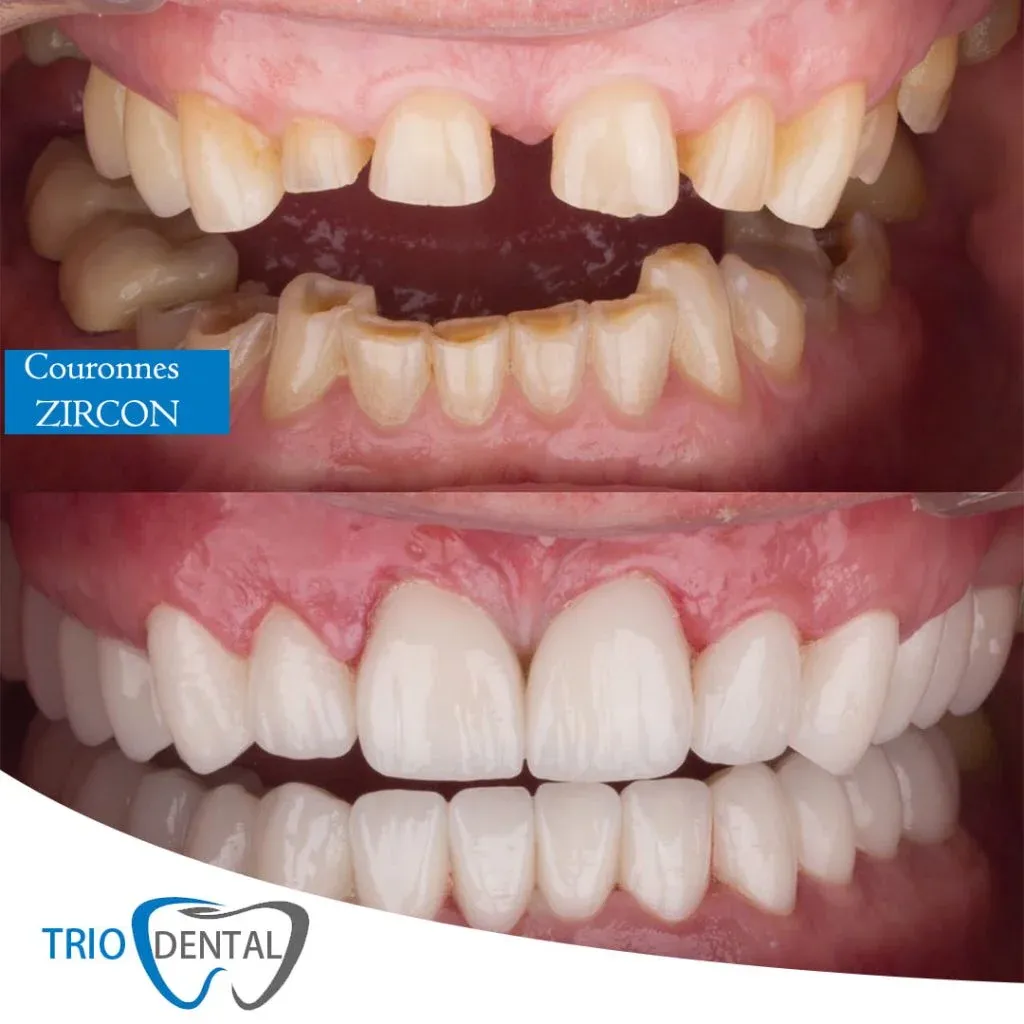

The field of dentistry has experienced a massive technological transformation over the past decade. Traditional, messy putty impressions and manual placement techniques are rapidly becoming things of the past. Today, digital diagnostics, 3D printing, computer-guided surgery, and modern shade-matching technologies allow clinicians to design and execute complex dental procedures with unprecedented accuracy, safety, and aesthetic perfection.
The Role of 3D Imaging and Guided Placement
Modern treatment planning begins with high-definition 3D Cone Beam Computed Tomography (CBCT). Unlike standard flat X-rays, a CBCT scan provides a detailed, three-dimensional digital model of the patient’s jaw, nerves, sinus cavities, and surrounding bone density. Using specialized software, surgeons can plan the exact placement, angle, and depth of a tooth replacement virtually before the patient even enters the operating room. Surgical guides created via 3D printing then ensure that the physical placement precisely mirrors the virtual plan, reducing surgical time and accelerating recovery.
The Advantages of Digital Smile Design
Achieving a brilliant smile requires balancing functional bite mechanics with subtle visual aesthetics. Digital Smile Design (DSD) technology allows clinicians to analyze a patient’s facial proportions, lip movement, and facial symmetry using high-resolution photos and video. The software allows patients to view a digital simulation of their expected final results prior to starting treatment. Clinics offering Dental implants albania utilize these cutting-edge digital protocols to ensure that every crown and bridge perfectly matches the patient's individual aesthetic goals.
Intraoral Scanners: Fast, Accurate, and Comfortable
For decades, taking impressions involved holding trays filled with soft, uncomfortable putty in the patient's mouth, often causing a gag reflex and minor inaccuracies. Modern digital dentistry replaces this process with compact intraoral scanners. These small, wand-like devices capture thousands of high-definition images per second, creating a flawless 3D digital model of the teeth and gums in minutes. This digital file is instantly transmitted to a dental laboratory, resulting in custom-fitted crowns, bridges, and veneers crafted with microscopic precision.
Post-Operative Healing and Accelerated Recovery Protocols
Technological advancements extend into post-operative recovery as well. Minimal incision techniques made possible by guided surgery result in less tissue trauma, minimal swelling, and significantly reduced discomfort after treatment. Furthermore, protocols utilizing platelet-rich fibrin (PRF)—derived from a small sample of the patient's own blood—are increasingly used to speed up soft tissue healing and bone integration naturally. These innovations mean patients can return to their regular daily routines faster than ever before.
Conclusion
Digital technology has elevated modern dentistry to unprecedented heights, turning complex procedures into safe, highly predictable, and comfortable experiences. From 3D diagnostic planning to computer-guided surgical execution and digital aesthetic design, every step of the restoration process is optimized for precision. Embracing these technological advancements ensures that patients receive durable, beautifully customized dental restorations that look and feel entirely natural.
Frequently Asked Questions
What are the main benefits of 3D computer-guided surgery?
Computer-guided surgery eliminates guesswork by allowing dentists to plan treatment in a digital 3D environment beforehand. This ensures exact placement, protects sensitive nerves and sinuses, shortens surgery time, and minimizes post-operative swelling and recovery time.
Are digital impressions as accurate as traditional putty impressions?
Digital impressions are significantly more accurate than traditional putty impressions. They eliminate risks like distortion or air bubbles, resulting in custom-made dental crowns and restorations that fit far more comfortably and securely.
How does Digital Smile Design help me as a patient?
Digital Smile Design allows you to preview your projected smile on screen before any physical procedures begin, giving you a clear voice in customizing the shape, size, and shade of your new teeth alongside your dentist.
















Sign in to leave a comment.