

Hair restoration has developed considerably as modern techniques focus on improving density while preserving a natural appearance. For individuals experiencing thinning, recession, or noticeable areas of hair loss, hair transplant procedures can offer a structured approach to restoring coverage. Careful assessment is important because every person has different hair characteristics, scalp conditions, and expectations. Modern treatment planning considers the pattern and extent of loss, donor hair availability, facial proportions, and long term goals. A personalised approach can help create results that blend naturally with existing hair and support a balanced overall appearance.
Understanding Modern Hair Restoration
Modern restoration begins with a detailed assessment rather than selecting a technique based only on popularity. A qualified practitioner usually considers the cause and pattern of hair loss, the condition of the scalp, donor area strength, and the amount of coverage required. Hair characteristics such as thickness, texture, curl, and growth direction can also influence planning. These factors help determine how many grafts may be appropriate and where they should be placed. Thoughtful preparation can reduce unnecessary graft use while helping the restored areas look proportionate and natural for each individual.
Assessing the Donor Area
The donor area provides the follicles used during restoration, so its quality can strongly influence the overall treatment plan. Practitioners assess density, follicle characteristics, scalp condition, and the distribution of available hair before deciding whether treatment is suitable. A strong donor area may provide greater flexibility, while limited density can require more conservative planning. Protecting donor resources is important because hair loss may continue over time. Careful assessment therefore helps establish realistic expectations and supports a strategy designed around both immediate improvement and future hair preservation throughout the restoration journey.
Creating a Natural Hairline
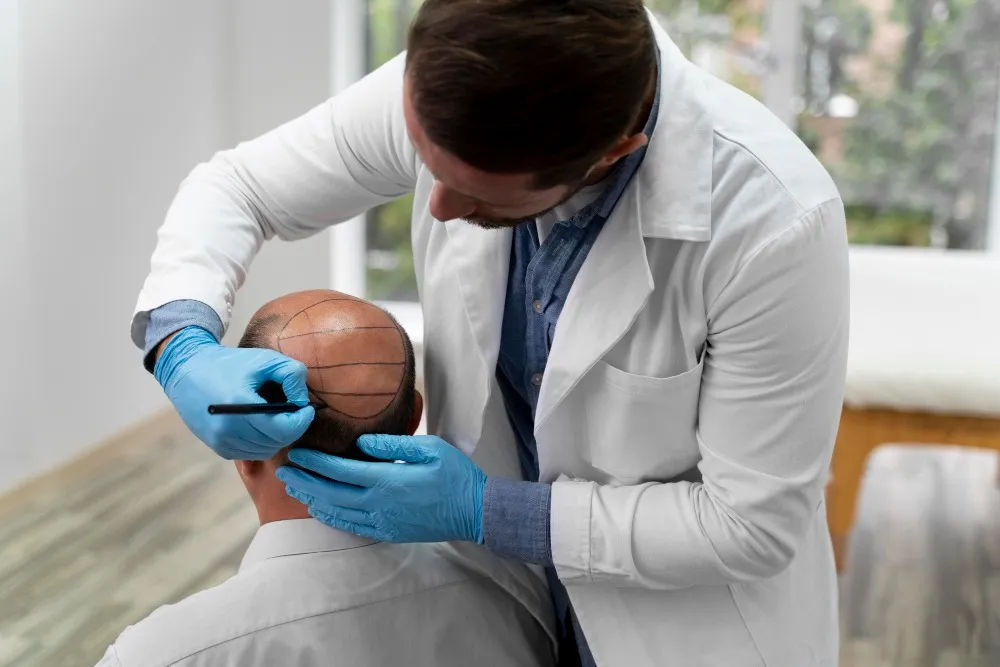
A natural looking hairline requires more than placing grafts along a straight boundary. Modern planning considers facial shape, age, existing hair direction, density, and the way the hairline naturally changes across different areas. Fine grafts may be positioned toward the front to create a softer transition, while greater density can be considered farther behind the leading edge. Appropriate spacing and subtle irregularity can prevent an artificial appearance. The objective is to create a hairline that complements the face and remains believable as the surrounding hair changes naturally with age and future hair loss.
Modern Graft Placement Techniques
Contemporary procedures use detailed graft handling and precise placement to improve control over the restoration process. Follicular units can be positioned according to their natural growth direction, helping new hair integrate with surrounding strands. The angle, depth, and distribution of each graft matter because poor placement can create an unnatural pattern. Modern approaches aim to balance density with careful use of available follicles. This is particularly important when the affected area is extensive, as responsible planning can help maintain donor resources while producing a more harmonious and proportionate appearance across the treated scalp.
Supporting Density and Coverage
Density is influenced by several factors, including the number of available follicles, existing hair characteristics, and the size of the treatment area. A suitable plan does not necessarily attempt to reproduce the density of untouched hair. Instead, placement can focus on creating visual fullness and improving the transition between restored and existing areas. Strategic distribution may make limited donor resources more effective. Individuals should understand that visible improvement develops gradually, and the final appearance depends on healing, growth cycles, hair characteristics, and the individual response to the restoration procedure.
Importance of Personalised Treatment Planning
Personalised planning is central to achieving dependable restoration because hair loss does not follow the same pattern in every individual. Some people may have recession around the temples, while others may experience thinning across the crown or wider areas of the scalp. The treatment plan should account for these differences rather than applying a standard design. Medical history, previous procedures, current hair stability, and future expectations may also influence decisions. A detailed consultation gives the practitioner an opportunity to identify suitable priorities and establish realistic goals before treatment begins, supporting informed and appropriate decision making.
Managing Expectations
Realistic expectations help individuals understand what modern restoration can and cannot achieve. Results are influenced by donor hair quality, the extent of hair loss, existing density, healing, and natural growth characteristics. A practitioner can explain the likely coverage and discuss how the restored hair may develop over time. It is also important to recognise that transplanted follicles require patience before their full cosmetic effect becomes visible. Clear communication before treatment can reduce uncertainty and encourage a more informed decision based on achievable improvement rather than unrealistic promises about immediate or identical results.
Recovery and Hair Growth
Recovery varies between individuals, but appropriate aftercare can support the healing process and protect newly treated areas. Temporary redness, sensitivity, swelling, or small crusts may occur after a procedure and generally require careful management according to professional instructions. Newly placed follicles do not create an immediate finished result. Hair growth develops through natural cycles, meaning visible changes may occur gradually over several months. Following aftercare guidance, avoiding unnecessary irritation, and attending recommended reviews can help monitor progress and identify concerns during different stages of the recovery period after treatment.
Long Term Hair Considerations
A successful restoration plan should consider more than the immediate treatment area. Existing hair can continue to thin depending on the underlying cause of hair loss, which means long term planning may be important. Practitioners can discuss strategies for maintaining surrounding hair and preserving donor resources where appropriate. Ongoing monitoring may also help identify changes early. By considering future patterns of loss, a treatment plan can remain balanced over time. This approach supports a natural appearance and reduces the risk of creating an isolated area of density that does not match surrounding hair as it changes.
Choosing an Appropriate Procedure
Selecting a suitable procedure requires consideration of individual needs rather than relying on a single technique for everyone. Different approaches may vary in how follicles are harvested, prepared, and placed, and suitability depends on factors such as hair characteristics, donor density, scalp condition, and treatment goals. A professional consultation allows these elements to be assessed together. Individuals can then understand the reasoning behind the proposed approach and ask questions about recovery, expected development, limitations, and long term care before deciding whether to proceed with a restoration procedure that suits their circumstances.
Benefits of Modern Restoration
Modern restoration techniques can provide several practical and aesthetic benefits when treatment is carefully planned. Improved coverage may help reduce the visibility of thinning areas, while natural graft placement can create a more consistent relationship between restored and existing hair. Because transplanted follicles are positioned within the scalp rather than relying on temporary cosmetic coverage, the approach can offer a lasting solution for suitable candidates. However, outcomes vary, and no procedure can guarantee identical results for every person. Professional assessment remains essential for determining likely benefits, limitations, and realistic expectations before treatment is considered.
Conclusion
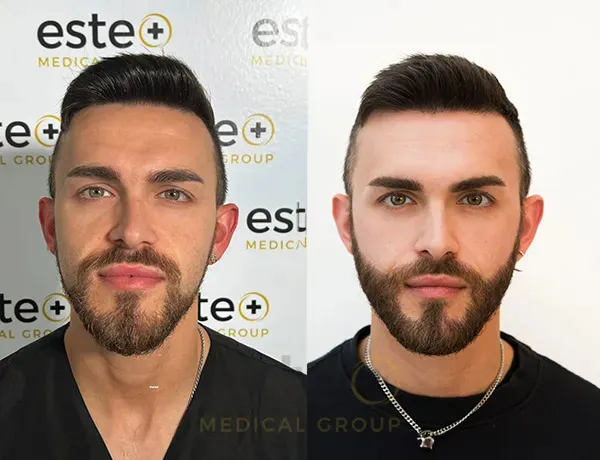
Modern restoration techniques combine detailed assessment, careful graft handling, natural hairline design, and personalised planning to address different patterns of hair loss. Appropriate expectations, responsible donor management, and consistent aftercare are equally important for supporting a satisfactory outcome. Individuals considering treatment can benefit from discussing their concerns, goals, and suitability with an experienced practitioner before making a decision. With careful planning, modern procedures can help create balanced and natural looking coverage while respecting each person’s existing hair characteristics. Este Medical Group can provide professional guidance for individuals exploring suitable hair restoration options.


















Sign in to leave a comment.