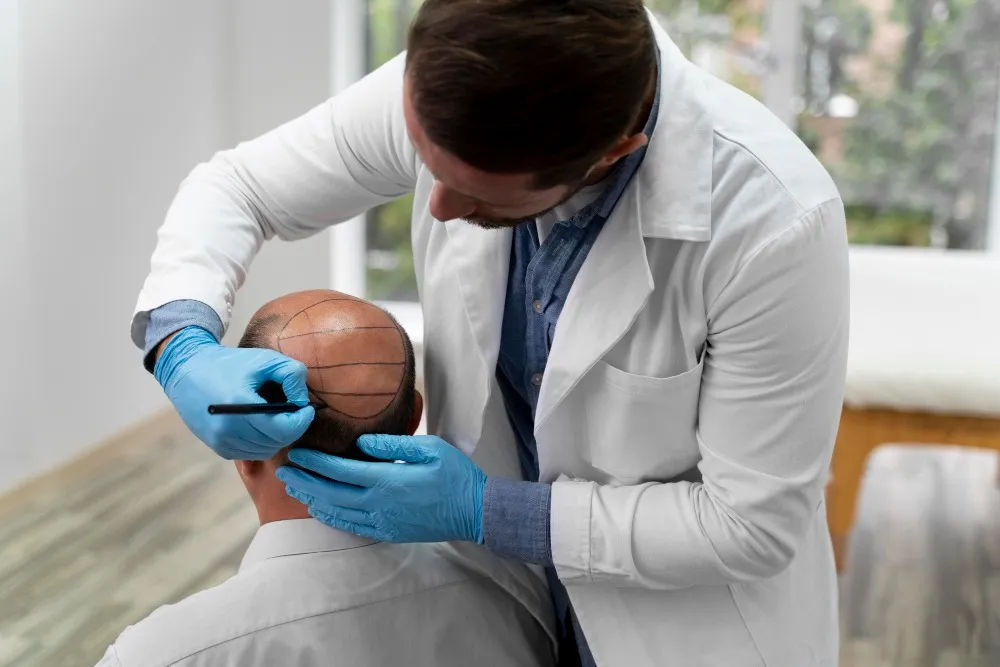

Hair loss can gradually affect confidence, appearance, and everyday comfort, particularly when thinning becomes more noticeable around the hairline or crown. Advances in restoration methods have created more personalised choices for people seeking fuller coverage and improved definition. For those exploring hair transplant uk options, understanding the available techniques, suitability factors, and expected outcomes can make the decision process more informed. A carefully planned procedure considers existing hair, donor availability, facial proportions, and the desired appearance to create results that look balanced rather than noticeably altered.
Understanding Modern Hair Restoration
Modern hair restoration focuses on achieving natural growth while preserving the appearance of existing hair. Rather than simply increasing density, treatment planning considers how individual follicles are positioned, the direction of natural growth, and the shape of the hairline. This approach can help create a result that blends with surrounding hair as it develops. Different restoration techniques may be considered depending on the extent of hair loss, donor hair quality, personal expectations, and overall suitability. A detailed consultation allows these factors to be assessed before a suitable treatment approach is recommended.
Why Natural Appearance Matters
A natural appearance depends heavily on careful planning and appropriate follicle placement. Hair normally grows at different angles across the scalp, while the hairline often contains finer hairs that create a softer transition. Recreating these characteristics can help restored areas appear more realistic. Excessive density or an overly uniform hairline may create an unnatural appearance. For this reason, practitioners generally consider facial structure, age, existing hair characteristics, and likely future changes. Thoughtful planning can support a result that complements the individual's appearance and remains appropriate as surrounding hair continues to change.
Common Restoration Techniques
Several techniques are used in modern hair restoration, with each offering different approaches to follicle collection and placement. Some methods involve removing individual follicular units, while others may use a different extraction or implantation process. The choice depends on individual circumstances rather than a single universally suitable option. Factors such as donor area condition, hair texture, density requirements, and treatment goals can influence the recommendation. Understanding how each technique works can help individuals discuss realistic expectations during consultation and choose an approach that aligns with their needs and long term restoration objectives.
Individual Follicle Placement
Individual follicle placement allows selected grafts to be positioned carefully within areas affected by thinning. This can provide control over direction, angle, and distribution, which are important for creating natural looking coverage. The process generally requires detailed preparation because each graft contains living follicles that need careful handling. The appearance of the final result also depends on factors beyond the procedure itself, including healing, existing hair characteristics, and ongoing hair loss. Appropriate aftercare and realistic expectations therefore remain important parts of the overall restoration journey.
Assessing Hair Loss and Donor Supply
Before treatment, an assessment of the scalp and donor area can provide valuable information about suitability. Hair loss patterns vary considerably, and some individuals may experience progressive thinning that requires careful planning. The donor region needs enough healthy follicles to support the proposed restoration without creating visible thinning in the collection area. Practitioners may also assess scalp condition, hair calibre, density, and the stability of existing growth. A detailed assessment helps establish whether restoration is appropriate and what level of coverage can reasonably be achieved without compromising the appearance of the donor area.
Designing the Hairline
Hairline design is one of the most important parts of a restoration plan because it strongly influences overall facial appearance. A suitable hairline generally considers natural proportions, age, facial structure, and existing hair characteristics. Creating an excessively low or sharply defined hairline may appear less natural over time. Instead, a carefully designed transition can help restored follicles blend with existing growth. The design may also account for future changes in hair density. By considering both present appearance and potential progression, treatment planning can support results that remain visually balanced as the individual ages.
Recovery and Hair Growth
Recovery after a hair restoration procedure varies between individuals and depends on the technique used, the number of grafts treated, and personal healing characteristics. Temporary redness, sensitivity, swelling, or small crusts may occur during the early recovery period. Newly placed follicles also require time before visible growth develops. In many cases, early changes should not be interpreted as the final outcome because transplanted hair follows a gradual growth cycle. Following professional aftercare guidance, protecting the scalp, and avoiding unnecessary irritation can help support appropriate healing during the recovery process.
Understanding Expected Results
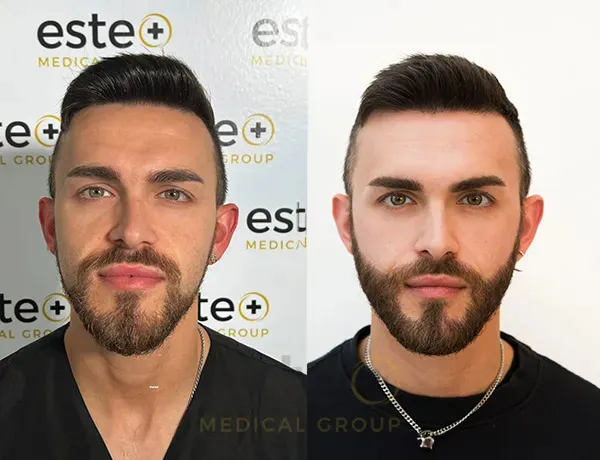
Hair restoration results develop gradually rather than appearing immediately after treatment. Newly transplanted follicles may require several months before noticeable growth becomes established, with density continuing to improve over time. Individual outcomes can differ according to genetics, donor hair quality, existing hair loss, healing response, and adherence to aftercare instructions. Realistic expectations are therefore essential when considering treatment. A consultation can help explain the likely progression and limitations of restoration. Understanding the timeline can also prevent disappointment during early stages when visible growth may still be limited.
Choosing a Suitable Treatment Approach
Selecting a restoration technique should involve more than comparing procedures based on popularity. The most appropriate option depends on the individual's hair loss pattern, donor supply, desired coverage, hair characteristics, and long term expectations. A thorough consultation can help identify the strengths and limitations of available approaches. Individuals may also benefit from asking about preparation, recovery, potential risks, expected growth timelines, and aftercare requirements. Clear communication helps ensure that expectations remain realistic. A personalised plan can then be developed around the person's existing characteristics rather than applying the same approach to every case.
Importance of Professional Assessment
Professional assessment plays an important role in determining whether hair restoration is suitable. Hair thinning can have different causes, and identifying the pattern may help guide treatment planning. A practitioner can examine the scalp, review the donor region, evaluate existing density, and discuss the individual's objectives. This assessment can also highlight situations where additional management may be appropriate before considering transplantation. Understanding these factors allows treatment decisions to be based on realistic possibilities. Careful evaluation can ultimately support safer planning and help individuals understand what level of improvement may reasonably be expected.
Conclusion
Modern restoration options provide individuals with greater opportunities to address visible thinning while maintaining a natural looking appearance. Successful outcomes depend on careful assessment, thoughtful hairline design, suitable follicle placement, realistic expectations, and appropriate aftercare. Because every pattern of hair loss is different, personalised planning remains essential when considering treatment. Understanding available techniques and the gradual nature of hair growth can help individuals make informed decisions with greater confidence. For those exploring suitable restoration solutions and professional guidance, Este Medical Group can provide an appropriate setting to discuss individual hair restoration goals and treatment considerations.



















Sign in to leave a comment.