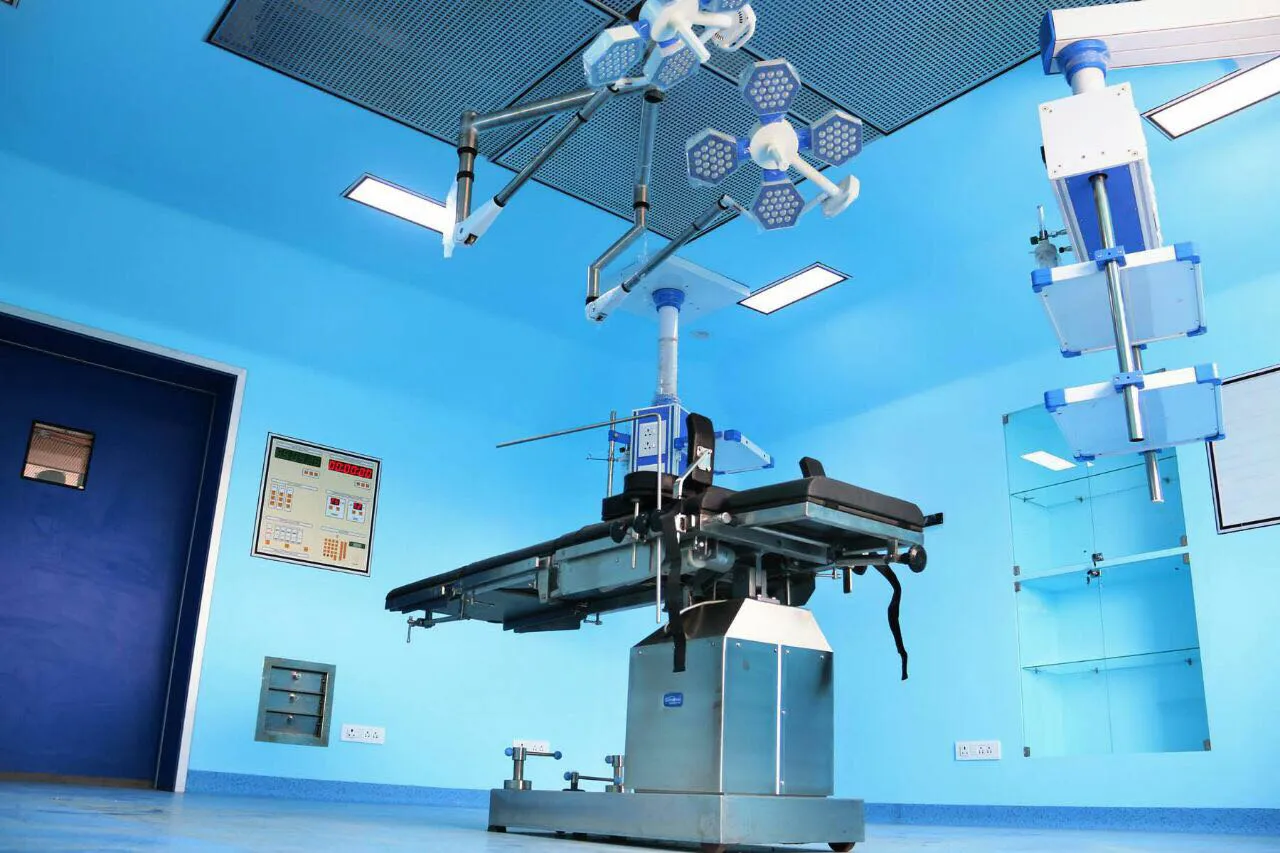

Surgical outcomes are not only dependent on surgical skill but also on the physical environment. Structural design and lighting of the operation theatre are two aspects that directly influence this environment. A modular operating room gives hospitals a flexible, infection-controlled space that can grow as needed. OT lights determine whether surgeons can work with the precision required for complex procedures. These two components together make up the backbone of a modern functional OT.
What is a Modular Operation Theatre?
A modular operation theatre is constructed using standardized, pre-fabricated elements – wall panels, ceiling systems, equipment booms and utility fittings – rather than the traditional brick-and-mortar construction poured around fixed fixtures. The modules are built off-site, shipped and assembled on the hospital site, which allows hospitals to build or reconfigure an OT much faster than traditional methods.
Why Hospitals are Choosing Modular Construction?
Faster installation
Offsite components reduce install time from months to weeks Infection control Smooth, anti-microbial wall and ceiling panels mean fewer joints to harbour bacteria
Easier upgrades
Individual modules can be swapped in or reconfigured without taking the entire theatre offline
Consistency across facilities
Hospital chains can replicate the same design across multiple OTs, simplifying staff training and maintenance.
Main Structural Elements
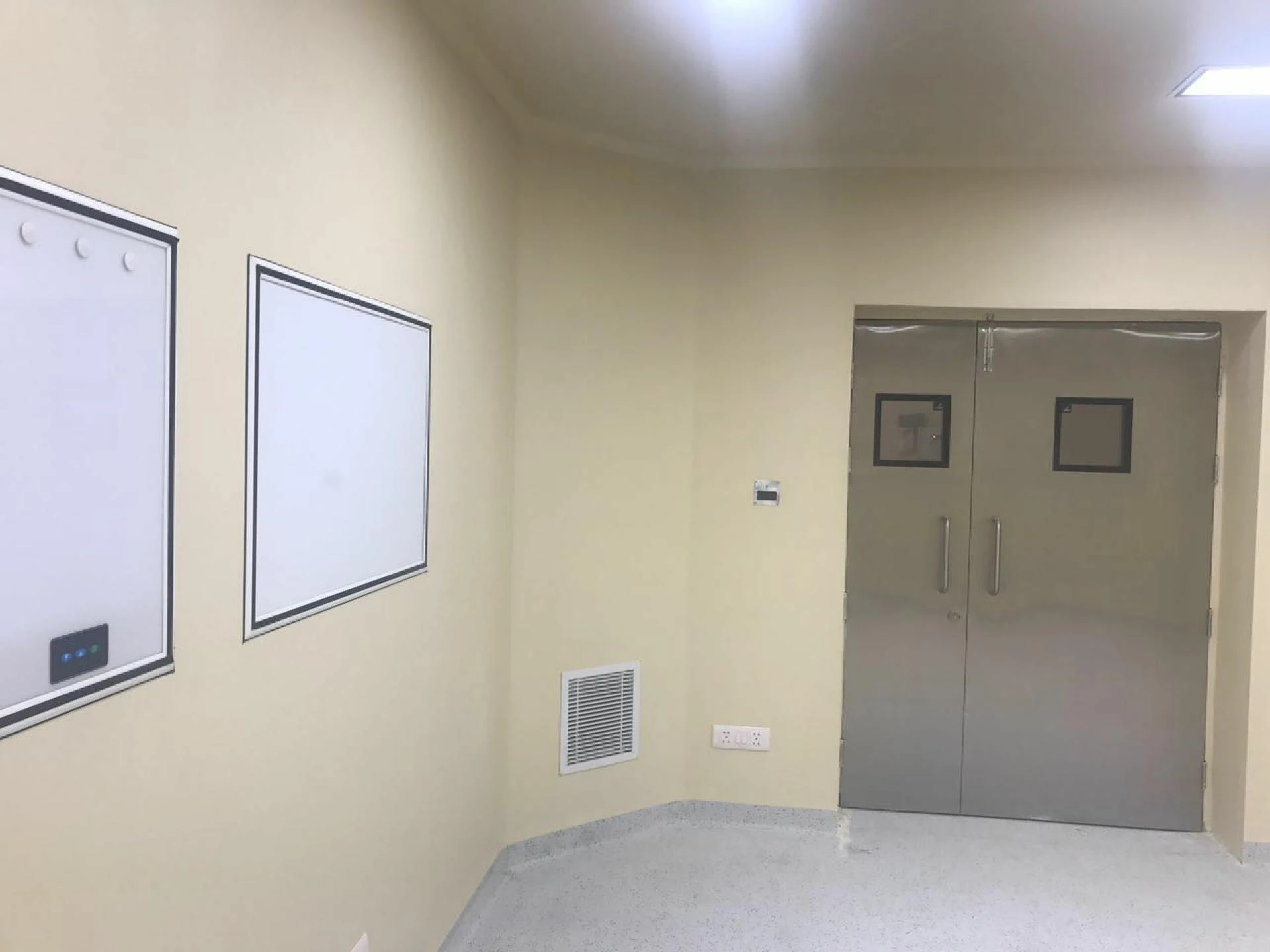
A modular OT will typically have sealed, non-porous wall cladding; a ceiling grid system that will accommodate lighting and equipment pendants; and an HVAC system that provides laminar airflow – the exact air pressure and filtration standards that surgical spaces require.
Flexibility of Use
The modular framework contains the gas lines, power outlets and data connections so they can be moved or expanded along with the equipment, rather than having to rewire or replumb each time.
OT Light: The Little Component With a Big Impact
The lighting system of a modular OT is one of the most important elements for surgical precision. OT light is designed to eliminate shadows, maintain a constant colour temperature and reduce heat – all of which directly affect a surgeon’s ability to work accurately for long periods of time.
Differences Between OT Lighting and Standard Lighting
Normal lighting wasn’t made for the rigours of surgery. OT lights are based on a few requirements:
- Shadowless lighting — multiple light sources aimed so as not to cast shadows from the surgical team’s hands and instruments
- Colour rendering – accurate colour temperature for true-to-life tissue, blood and organs to assist diagnostic judgement during procedure
- Low heat emission – LED-based systems that do not add to the thermal stress of the sterile field or of the surgical team
- Focus and intensity adjustable – so surgeons can widen or narrow the field of light as needed for the procedure
Traditional Halogen vs LED Overhead Lights
The majority of today’s operating theatres now use LED lighting systems, which last considerably longer than halogen bulbs, produce far less heat and allow much greater control over brightness and focus. It has also facilitated the integration of lighting into modular ceiling systems, as LED fixtures are lighter and smaller.”
Position and Integration
Lighting units are usually positioned on ceiling booms, alongside monitors and anaesthesia equipment, in a modular OT, leaving the floor clear of obstructions. This combination is only possible because the modular ceiling grid is designed from the outset to accommodate these fixtures – a level of planning that’s far more difficult to retrofit into a traditionally built theatre.
The Two Unite
Modular operation theatre isn’t just about walls and airflow – it’s the infrastructure that makes advanced OT lighting practical to install, maintain and upgrade. Modular ceilings are designed to accommodate equipment, so hospitals can upgrade lighting systems as LED technology advances without having to redo the whole theatre. This pairing is reflective of a broader trend in hospital design: creating spaces that can accommodate new medical technology, rather than requiring a full rebuild each time equipment standards change.
Conclusion
The move to modular operating theatres and advanced OT lighting isn't just about aesthetics or simplicity, it's a direct investment in surgical safety and precision. Modular OT that is properly designed offers the structural flexibility hospitals need to keep pace with changing technology. Modern LED lighting gives surgeons the visual clarity needed for complex procedures. They tell you what a truly future-ready operation theatre looks like, together.





















Sign in to leave a comment.