

When we talk about financial markets, many of us are quick to jump to the stock market. But have you ever considered the money market? This often-overlooked segment is an essential player in the world of finance. If you’ve been wondering about why the stock market is down or how funds are managed for short-term needs, stick around as we dive into the basics of the money market.
What Is the Money Market?
The money market is not a physical place like Wall Street but rather a network of banks, financial institutions, and investors who trade short-term financial instruments. Think of it as a giant lending hub for cash and cash equivalents. It's all about liquidity and essentially runs transactions for things that need to be settled quickly. So whether it's a corporation looking to cover payroll until their long-term financing comes in or a government wanting to manage its cash flow, the money market is there to save the day.
Instruments of the Money Market
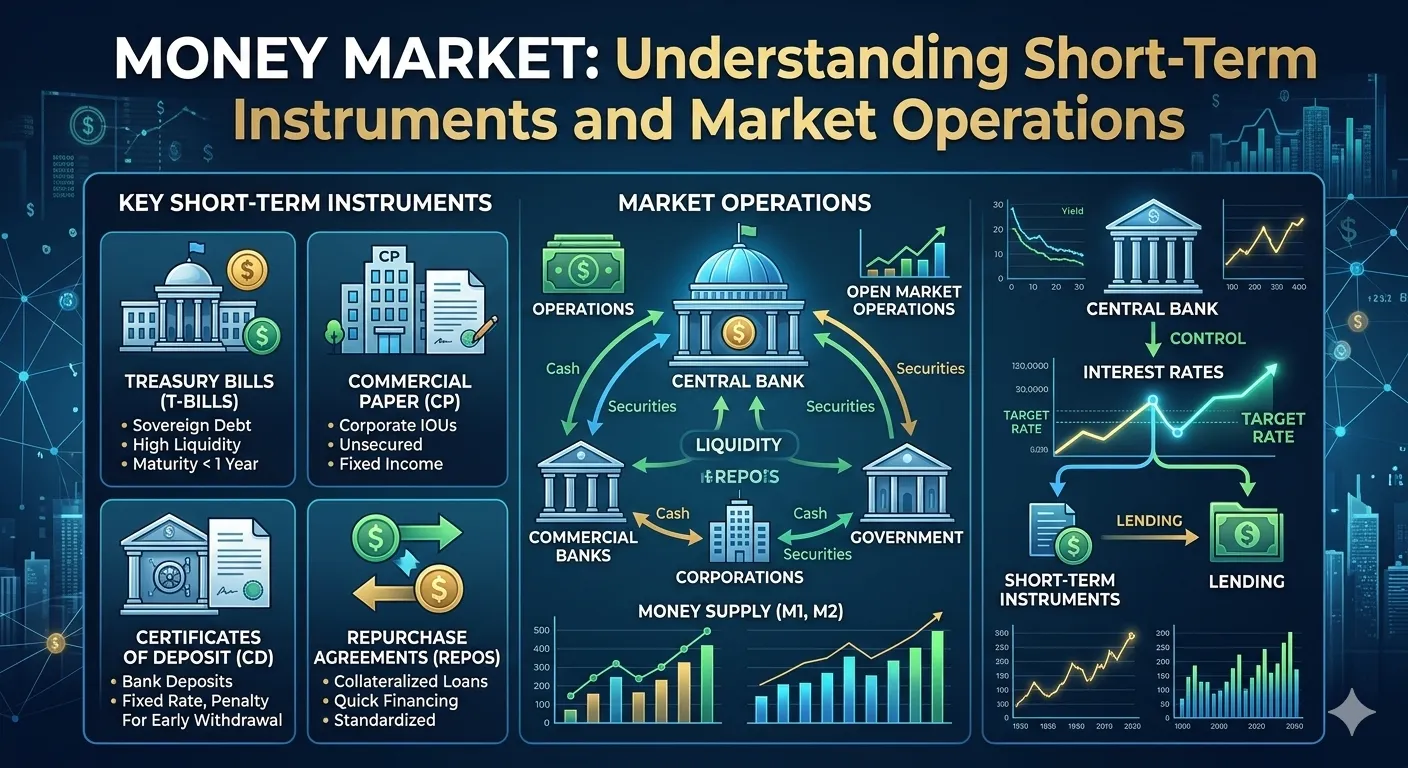
Alright, let’s break down the main players in the money market—the instruments that make this financial sorcery possible. Various short-term securities facilitate the convenience of quick cash. Here are some of the most common instruments:
Treasury Bills
Treasury Bills, or T-bills, are issued by the government to fund its needs. These are short-term securities that typically mature in a year or less. When you buy a T-bill, you’re essentially lending money to the government. They are considered one of the safest investments because they are backed by the "full faith and credit" of the government.
Commercial Papers
Next up is commercial paper—a fancy term for short-term unsecured promissory notes. Companies use commercial paper to manage short-term liabilities, like payroll or inventory purchases. They usually have a maturity period of up to 270 days and offer higher yields than T-bills, albeit with slightly more risk because they are not government-backed.
Certificates of Deposit (CDs)
Now, let’s talk about CDs. These are essentially time deposits offered by banks, where you can park your money for a specific period—usually a few months to a few years. In return, the bank pays you interest. They might not be as liquid as T-bills or commercial papers, but they usually offer better yields.
Repurchase Agreements (Repos)
Repos are agreements where one party sells securities with a commitment to repurchase them at a later date, typically the next day or within a week. This is a popular way for banks to raise short-term funds. Imagine it as a pawn shop for securities—the bank gets cash, and the buyer gets securities they can hold for a short time.
Why the Money Market Matters
Now, you may be wondering, "Why should I care about the money market?" Well, the money market plays a critical role in the overall economy. It acts as a bridge between those who have excess funds and those who need funds for short-term needs. This system helps maintain liquidity in the financial markets, which in turn influences economic stability.
When people ask questions like why is the stock market down, it is often related to liquidity issues or confidence in the economy. If organizations struggle to manage their short-term financing, it can impact their operations and, by extension, the stock market. The money market provides these organizations with safe, effective ways to manage their finances, thus influencing larger economic trends.
Investors may also search for why stock market down when share prices fall unexpectedly. Market declines can be linked to factors such as weak corporate earnings, economic uncertainty, rising interest rates, or changes in investor sentiment. Understanding these factors can help investors make more informed decisions rather than reacting to short-term market movements.
Players in the Money Market
The money market isn’t just a one-man show; it has multiple players that help keep the system functional. Understanding who they are can give you insights into how the money market operates.
Central Banks
Central banks play a vital role in the money market. In most countries, the central bank sets interest rates and can influence liquidity in the market. By adjusting rates, they can either encourage or restrict lending, which impacts business operations and investment decisions.
Commercial Banks
You can’t have a money market without commercial banks. They act as intermediaries between borrowers and lenders, facilitating transactions and offering various instruments like CDs or repos. Banks also manage the liquidity needed for day-to-day operations.
Corporations
Large corporations use the money market for managing short-term financing needs. They frequently issue commercial papers or engage in repos to negotiate their cash flow effectively. Their participation helps create a cycle of liquidity that keeps the money market vibrant.
Risks In the Money Market
Despite its reputation for safety and stability, the money market is not without risks. Here are a couple of things to keep in mind:
Interest Rate Risk
If interest rates rise, the value of existing securities in the money market can go down. For example, if you hold a CD with a lower interest rate, you might be less inclined to cash it out if new CDs are offering higher rates.
Credit Risk
While government-backed securities like T-bills are relatively safe, other instruments like commercial papers carry more risk. If a company issuing commercial paper faces financial difficulties, that increases the risk of default.
Conclusion: A Handy Tool for Investors
So, what’s the takeaway here? The money market is a vital component of financial markets, providing liquidity and funding for urgent short-term needs. It serves as a safety net for those investors who prefer stability over high volatility. Whether you’re a newbie looking to dip your toes or an experienced investor seeking a reliable low-risk option, the money market has something to offer.
Next time you ponder over why the stock market is down, remember that the money market plays a significant role in influencing investor confidence and economic stability. It’s like the unsung hero of the financial world.
So, let’s give a nod to the money market and recognize it as an essential part of the grand tapestry of finance. After all, everyone from the government to the local business could use a friend when it comes to managing short-term cash flow. And who knows, the next time you ponder your own budget, you might just find a little inspiration from the world of the money market. Cheers!






















Sign in to leave a comment.