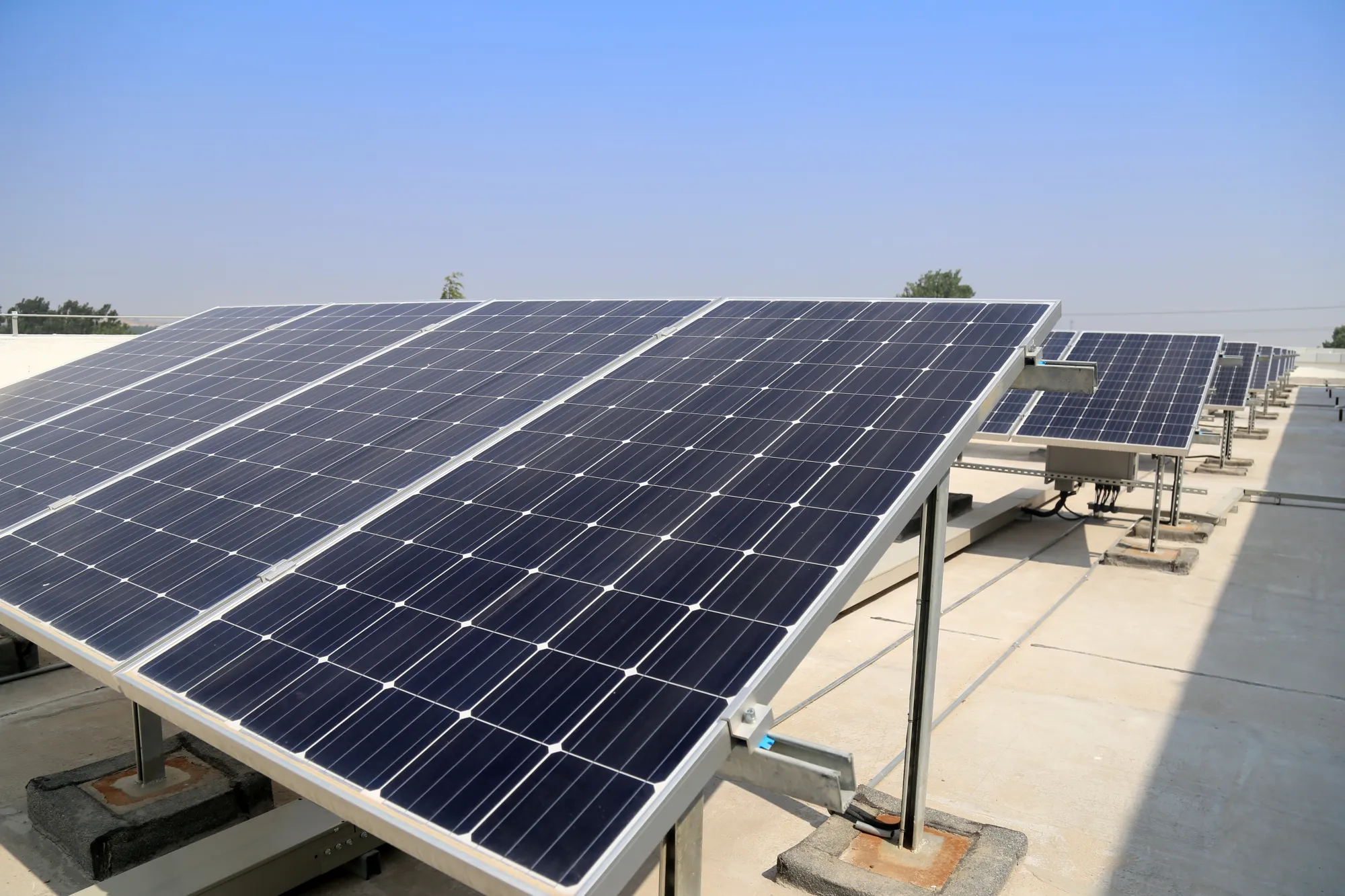

Most people don’t struggle with the idea of going solar anymore. That part is settled. What trips them up is the second step. Standing on a roof, looking at brochures, and realising there are three different panel technologies, all claiming to be better.
Mono-PERC, TOPCon, and bifacial solar panels sound technical, and they are. But the confusion usually comes from something simpler. Buyers are rarely told why a panel works well in one situation and poorly in another. They’re shown numbers instead of context.
With more choices now offered by solar panel manufacturers in India, the decision needs less comparison and more understanding. This blog focuses on that gap. How these panels behave outside the lab. On Indian roofs. In real heat, dust, shade, and usage patterns.
Why Panel Technology Choice Matters More Than Ever
Solar panels are expected to sit quietly and perform for decades. Once installed, nobody wants to think about them again. That’s exactly why the technology choice matters.
A panel that looks great on paper can disappoint if it’s mismatched to the site. Homes with limited roof space feel this quickly. Businesses feel it over years, through slower savings or uneven output.
This is why responsible solar panel manufacturers in India stopped positioning panels as interchangeable products. The industry learned, sometimes the hard way, that different roofs ask for different behaviour from a panel.
Choosing the right technology isn’t about chasing the newest option. It’s about choosing the least problematic one for your specific conditions.
Understanding the Three Solar Panel Technologies at a Glance
At a high level, the differences are not complicated.
Mono-PERC panels refine an existing idea. They take conventional monocrystalline cells and improve them without changing the system dramatically.
TOPCon panels aim deeper. They focus on what happens inside the cell over time, especially how energy losses accumulate year after year.
Bifacial solar panels take a physical approach instead. They ask a different question altogether: why waste light that hits the back of the panel?
All three work. All three have limits. The trouble starts when those limits aren’t acknowledged upfront.
Mono-PERC Solar Panels: The Established Residential Workhorse
Mono-PERC panels didn’t become popular by accident. They work. They’re familiar. Installers understand them, and homeowners rarely face surprises with them.
By improving how the rear of the cell handles unused light, Mono-PERC panels deliver a noticeable bump in efficiency without adding complexity. That matters on residential rooftops where simplicity often beats experimentation.
Most solar panel manufacturers in India still rely heavily on Mono-PERC because demand hasn’t slowed. Homes, small offices, clinics, and shops continue to choose them for one reason: predictability.
They fit well when:
- Roof area is limited
- Budget sensitivity matters
- Long-term expectations are realistic rather than ambitious
Where Mono-PERC falls short is not performance today, but performance ten or fifteen years from now, especially under sustained heat. For many homeowners, that trade-off is acceptable. For others, it’s worth thinking twice.
TOPCon Solar Panels: Efficiency-Focused Next-Generation Technology
TOPCon panels exist because manufacturers wanted to solve a long-term problem, not a short-term one.
Instead of tweaking the outside, TOPCon focuses on internal losses that slowly eat into output. Over time, that difference becomes visible, particularly in larger systems.
These panels tend to hold their performance better. Heat affects them less. Low-light conditions don’t drag them down as quickly. For commercial rooftops, these details matter more than headline efficiency numbers.
That’s why TOPCon is often suggested for:
- Office buildings
- Educational institutions
- Larger rooftops with steady daytime loads
Yes, they cost more upfront. And no, they don’t make sense for every roof. But as more solar panel manufacturers in India invest in TOPCon production, availability is improving, and the cost gap is narrowing slowly.
Bifacial Solar Panels: Maximising Output Beyond the Rooftop
Bifacial panels are probably the most misunderstood option on the market.
The idea is simple. Let the panel generate power from both sides. In practice, the result depends almost entirely on where and how the panel is installed.
On open ground, parking structures, or reflective rooftops, bifacial panels can outperform expectations. On cluttered residential roofs, they barely justify their existence.
They are commonly used where:
- Space is open and uncluttered
- Surfaces reflect light effectively
- System design allows proper clearance
That’s why experienced installers hesitate to recommend bifacial solar panels for homes. Not because the technology is weak, but because the environment isn’t right.
Homes vs Businesses: Which Solar Panel Technology Fits Where?
Homes and businesses don’t behave the same way, and their solar systems shouldn’t either.
Residential rooftops are constrained. Shade, orientation, and available area limit what’s practical. Mono-PERC often fits best here, simply because it delivers reliable output without demanding perfect conditions.
Businesses have more flexibility. Larger roofs, longer operating hours, and predictable loads allow them to benefit from technologies like TOPCon or bifacial panels.
Good solar panel manufacturers in India don’t recommend based on trends. They ask questions first. Roof size. Usage pattern. Future expansion. That’s where the right answer usually emerges.
Performance, Cost & Long-Term Reliability: What Buyers Should Really Compare
Efficiency figures are easy to sell. Long-term behaviour is harder to explain.
A panel’s real value shows up in:
- How it handles heat year after year
- How evenly it degrades
- How forgiving it is of imperfect installation
Sometimes a slightly inferior panel delivers better lifetime output simply because it matches the site better. That’s not marketing. That’s physics.
Cost should always be viewed over time. Upfront savings disappear quickly if output drops faster than expected or maintenance becomes frequent.
Choosing the Right Solar Panel Manufacturer in India
Technology matters, but the manufacturer matters just as much.
Reliable solar panel manufacturers in India don’t push a single solution. They explain trade-offs. They acknowledge limitations. They support systems after installation, not just before payment.
Manufacturers offering Mono-PERC, TOPCon, and bifacial options can guide buyers honestly, without forcing a fit that doesn’t exist.
That guidance is often more valuable than the panel itself.
There’s No Single Best Panel, Only the Right Fit
Mono-PERC, TOPCon, and bifacial panels are not competing for the same job. They are answering different questions.
Homes usually need stability and value. Businesses often need consistency and scale. Open sites need output maximisation.
When technology, site conditions, and manufacturer expertise align, solar becomes invisible. It works quietly. It delivers. And it doesn’t demand attention.
That, ultimately, is what a good solar panel should do.
Mono-PERC, TOPCon & Bifacial Solar Panels: Which Is Best for Homes and Businesses?
Keywords: solar panel manufacturers in india, Mono-PERC, TOPCon, Bifacial Solar Panels
The majority of people no longer find it hard to think about changing to solar power. That part is resolved. The second step is what trips them up. Studying brochures while sitting on a roof, one realizes there are three different panel technologies, all of which make better claims.
Bifacial, TOPCon, and mono-PERC solar panels look technical, and they are. However, something simpler will usually be the source of the confusion. It's rare to explain to buyers why a panel performs well in one scenario but poorly in another. Instead of context, they are shown numbers.
Now that Indian solar panel manufacturers offer additional choices, the decision requires less comparison and more comprehension. That separation is the main topic of this blog. The actions of these panels outside of the lab. on rooftops in India. in actual usage patterns, heat, dust, and shade.
Why Choosing the Correct Panel Technology Is More Important Than Ever
It is expected the solar panels will function quietly for a long time. Nobody wants to consider them once they are placed. This is exactly why the choice of technology is important.
If a panel is unsuited to the location, it might be frustrating even though it looks amazing on paper. This is soon felt by homes with small roof spaces. Over time, businesses experience it through inconsistent productivity or slower savings.
For this reason, reputable Indian solar panel manufacturers stopped advertising their products as interchangeable. The industry learned—sometimes the hard way—that different roofs need different panel behaviours.
It's not essential to go after the newest technologies. Choosing the least difficult option for your specific situation is important.
A Brief Overview of the Three Solar Panel Technologies
The differences are simple on a high level.
Mono-PERC panels increase on an existing technology. They enhance traditional monocrystalline cells without significantly altering the system.
TOPCon panels aim deeper. They focus on the changes that occur within the cell over time, especially the annual accumulation of energy losses.
Instead, bifacial solar panels use a physical approach. They pose an altogether other query: Why waste light that hits the panel's rear?
Each of the three is operational. Each of the three has a limitation. When those boundaries are not set up front, issues occur.
Solar panels with a single PERC: The Popular Residential Workhorse
The popularity of mono-PERC panels wasn't accidental. They are active. They know each other. Homeowners rarely get caught away by them, and installers are aware of them.
Mono-PERC panels offer a noticeable boost in efficiency without adding complexity by improving the way the exterior of the cell handles unused light. On residential rooftops, where simplicity often wins over experimentation, that is important.
Mono-PERC panels offer a noticeable boost in efficiency without adding complexity by improving the way the exterior of the cell handles unused light. On residential rooftops, where simplicity often wins over experimentation, that is important.
Because demand hasn't decreased, the majority of Indian solar panel manufacturers continue to rely mainly on Mono-PERC. They are still valued by homes, stores, clinics, and small offices since they are reliable.
They work well when:
- Roof area is limited.
- Budget sensitivity matters.
- Long-term expectations are realistic rather than ambitious.
Performance in ten or fifteen years, especially in extended heat, is where Mono-PERC fails, not today. That trade-off is acceptable to many homeowners. For others, it's worth considering.
TOPCon Solar Panels: Next-Generation Technology with an Efficiency Focus
Manufacturers created TOPCon panels in order to address a long-term issue rather than a temporary one.
TOPCon concentrates on internal losses that gradually reduce production rather than making external adjustments. That disparity eventually becomes apparent, especially in bigger systems.
These panels typically maintain their performance better. They are less affected by heat. They don't fall as swiftly in low light. These specifics are more important for commercial rooftops than high-profile efficiency figures.
For this reason, TOPCon is frequently recommended for:
- Office buildings
- Educational institutions
- Larger rooftops with steady daytime loads
They do indeed cost more up front. Furthermore, they are not appropriate for every roof. However, availability is improving and the pricing difference is gradually closing as more Indian solar panel manufacturers invest in TOPCon production.
Bifacial Solar Panels: Increasing Production Off the Rooftop
Probably the most misunderstood product available is bifacial panels.
The concept is straightforward. Allow the panel to produce electricity from both sides. In reality, the outcome is mostly determined by the location and method of panel installation.
Bifacial panels can perform better than anticipated on reflecting rooftops, parking buildings, and open spaces. They hardly make sense on congested residential rooftops.
They are frequently employed in:
- The area is clear and uncluttered.
- Surfaces efficiently reflect light.
- The system's architecture permits appropriate clearance.
Experienced installers are hesitant to suggest bifacial solar panels for residences because of this. It's not that the technology is inadequate, but rather that the environment isn't suitable.
Which Solar Panel Technology Is Better for Homes vs. Businesses?
Solar systems shouldn't act in the same manner in homes and businesses.
There are restrictions on residential rooftops. What is feasible is limited by shade, direction, and available space. Because it generates reliable outcomes without requiring ideal circumstances, mono-PERC frequently works well in such a scenario.
Businesses are more flexible. It can take use of technologies like TOPCon or bifacial panels due to their larger roofs, longer operating hours, and consistent loads.
Reputable Indian producers of solar panels do not make recommendations based on fads. They start by posing queries. size of the roof. usage trend. expansion in the future. The right response typically appears at that point.
Performance, Cost & Long-Term Reliability: What Buyers Should Really Compare
Offering efficiency numbers is simple. It is harder to define behavior over time.
The actual value of a panel appears in:
- How it handles heat year after year
- How evenly it degrades
- How tolerant it is of installation errors
Sometimes, just because a somewhat substandard panel suits the site better, delivers superior lifetime output. That isn't marketing. Physics is that.
Cost should always be taken into account in the long run. If output declines more quickly than anticipated or maintenance becomes more frequent, upfront savings quickly disappear.
Choosing the Right Solar Panel Manufacturer in India
Technology is essential, but the manufacturer is equally important.
Reliable Indian manufacturers of solar panels don't promote a specific solution. They highlight trade-offs. They are aware of their limits. They offer system support after installation, not simply before payment.
Manufacturers that provide bifacial, TOPCon, and Mono-PERC options can honestly advise consumers without pushing them to accept a fit that doesn't exist.
The guidance provided is more valuable than the panel itself.
There’s No Single Best Panel, Only the Right Fit
Bifacial panels, TOPCon, and mono-PERC panels are not competing for the same place. They are responding to different inquiries.
Usually, homes need value and stability. Businesses often need scalability and stability. Open places have to maximize their efficiency.
Solar becomes invisible when manufacturer skill, site conditions, and technology come together. It works silently. It fulfills. In addition, it doesn't need attention.
In the end, a decent solar panel will achieve that.





















Sign in to leave a comment.