
Choosing the right early learning centre for your toddler can feel like a big decision. If you are looking for montessori toddler auckland, you may be wondering what your child will learn, how their day will look, and whether the setting will suit their needs. Toddlers are curious, active, and eager to do things for themselves. A good Montessori setting gives them time, guidance, and the right activities to build these skills in a calm and organised space.
What Does Montessori Learning Look Like for Toddlers?
Montessori learning is based on hands-on activities and daily experiences. Instead of spending most of the day listening to an adult, children get chances to work with materials, make choices, and practise useful skills.
A toddler may pour water, sort objects, match shapes, wash a table, arrange items, or practise using simple tools. These activities may look small, but they help children build focus, coordination, confidence, and independence.
Teachers introduce activities at the right time and show children how to use the materials. They also watch how each child works and provide help when needed.
This means your child is not simply left to choose anything they want. There is a clear structure to the day, with carefully prepared activities and guidance from teachers.
Why a Montessori Toddler Program Can Be Helpful
A montessori toddler program can give young children many chances to learn through doing. This can be especially helpful during the toddler years, when children are learning new skills almost every day.
One important part is independence. Your child may be encouraged to put away their work, carry their own cup, wash their hands, or choose an activity from the available options. These simple tasks can help them feel capable.
Another benefit is concentration. Montessori activities are often designed around one clear skill. A child may repeat an activity several times because they enjoy it or want to improve. Repetition gives them time to understand what they are doing without being rushed.
Children also learn to care for the space around them. They may wipe a table after an activity, return materials to their place, or help keep the classroom tidy. These habits can become part of their daily routine.
Look for Activities That Match Your Toddler's Age
When visiting a Montessori centre, look closely at the activities available to young children.
Toddlers need activities that match their growing abilities. They should be able to handle the materials safely and understand what they are being asked to do.
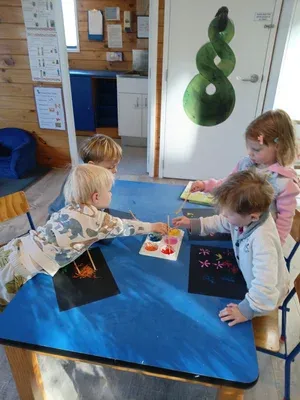
Look for practical activities such as pouring, transferring, cleaning, sorting, dressing, and simple food preparation. These activities help children practise hand movements while learning useful everyday skills.
You should also see materials that support language, movement, numbers, shapes, sounds, and sensory learning.
The classroom should not feel crowded with too many things. A well-arranged space can help children see their choices clearly and focus on one activity at a time.
For example, the Fantail Class at Orakei Montessori is designed for children from 18 months to 3 years, with activities that support independence, language, and early learning. The classroom also provides indoor and outdoor choices during the day.
Ask How Teachers Support Toddlers
Teachers play an important role in Montessori learning. When you visit a centre, ask how teachers introduce new activities and how they support children who need help.
A good teacher does not need to step in every time a child finds something difficult. They can give the child a little time to try first. If help is needed, the teacher can show the activity again or offer a small amount of support.
Ask how teachers handle disagreements between children too. Toddlers are still learning how to share space, communicate, and manage strong feelings. Calm guidance can help them learn these skills over time.
Ask how teachers communicate with parents as well. You should know how the centre shares information about your child's progress, daily experiences, eating, sleep, and general wellbeing.
Check the Daily Routine
A Montessori classroom has freedom within a clear routine. Your toddler should know what usually happens during the day while still having opportunities to choose activities.
Ask about arrival time, meals, outdoor time, rest, group activities, individual work, and collection time.
Sleep and rest are especially important for toddlers. If your child still naps, ask where they rest and how the centre manages different sleep needs.
You can also ask about meals and snacks. Find out whether children eat together, whether they can access water during the day, and how the centre handles food allergies or special requirements.
A routine should give children enough time to settle into activities instead of moving them from one task to another too quickly.
At the Fantail Class, for example, there is a sleeping area for children who need to rest, while children who no longer sleep can join the older group in the afternoon.
Think About the Classroom Environment
The classroom itself can tell you a lot about how children learn.
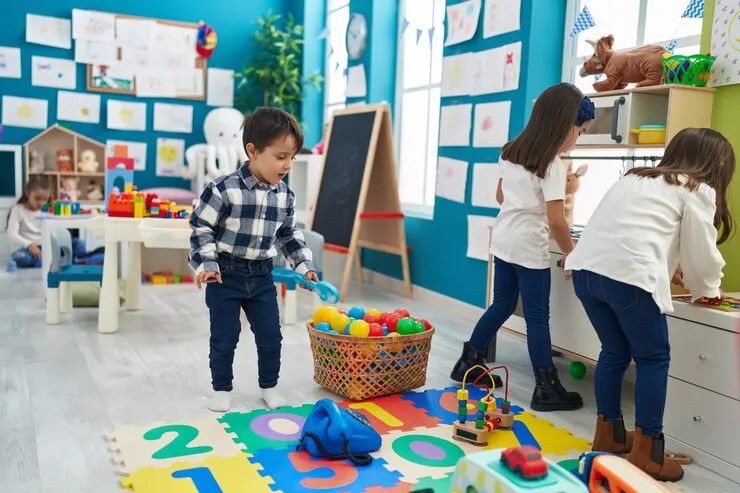
Furniture should be suitable for young children. Shelves and materials should be easy for them to reach. The space should be clean, safe, and easy to move around.
Notice how children behave when you visit. Are they busy with activities? Do they seem comfortable asking teachers for help? Are teachers speaking calmly to the children?
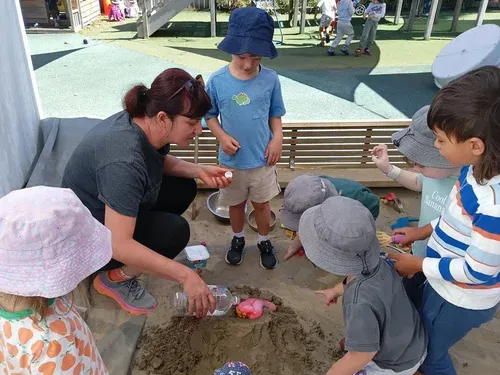
Also look at the outdoor area. Toddlers need regular movement and time outside. Running, climbing, carrying, digging, and other physical activities help them develop strength and coordination.
A balanced day should include both quiet activities and active movement.
If your child later moves into an older age group, it can also help to understand what comes next. The Tui Class is for children aged 3 to 6 years and includes indoor and outdoor activities, Montessori work, gardening, art, water play, and gross motor activities.
Ask About Mixed-Age Learning
Many Montessori classrooms include children of different ages. This can give younger children opportunities to watch older children and learn from their example.
Older children may also develop patience and responsibility as they become more familiar with classroom routines.
However, you should still ask how the centre supports toddlers within a mixed-age group. Younger children need activities and care that suit their stage of development.
Ask about teacher numbers, classroom size, supervision, and how the centre manages different age groups during busy parts of the day.
Visit Before You Make a Decision
Online information can help you create a shortlist, but visiting a centre gives you a much better idea of what it is really like.
Take your toddler with you if possible. Watch how they respond to the space and the teachers. You do not need your child to immediately join an activity. A little hesitation is normal in a new place.
Use the visit to ask questions. You can ask what a normal day looks like, how teachers settle new children, what happens when a child is upset, and how parents receive updates.
Trust what you see as well as what you are told. You want a place where your child feels safe, respected, and comfortable while learning new skills.
If you are considering a centre in Orakei, you can contact Orakei Montessori Preschool to ask questions or arrange a visit. The centre welcomes children from 18 months to 6 years and has separate Fantail and Tui classrooms for different age groups.
Choose a Place That Feels Right for Your Child
Every toddler is different. Some children enjoy working quietly on an activity, while others need more time to observe before joining in. Some are ready to become independent quickly, while others need more support.
The best early learning setting is one that understands these differences and gives your child room to grow at their own pace.
When comparing Montessori toddler Auckland, look beyond the name of the programme. Visit the classroom, meet the teachers, ask about the daily routine, and see how children are supported. If you are considering a centre in the area, Orakei Montessori Preschool is one option parents can explore when looking for a warm, structured Montessori environment for their toddler.



























Sign in to leave a comment.