
Quick Answer
A montre japon — a Japanese watch — comes from an industry built around vertical integration, where a single company casts the case, winds the hairspring, and assembles the movement in-house. That structure is why Japanese watches at €150 often carry mechanical movements that Swiss houses reserve for higher price bands, and why the buying decision usually comes down to movement type rather than brand prestige.
What Vertical Integration Actually Means for the Buyer
Most Swiss brands below the luxury tier buy movements from external suppliers and assemble them into their own cases. The major Japanese houses build the movement, the case, the dial, the hands, and in several cases the hairspring alloy and the lubricants under one roof. That changes the economics. A supplier margin disappears from the bill of materials, and the saving shows up either as a lower retail price or as a specification the same money would not buy elsewhere. This is the single most useful thing to understand before comparing a Japanese watch against a European one at the same price. You are not comparing two identical products with different badges. You are comparing two different manufacturing models.
The Houses You Will Actually Encounter
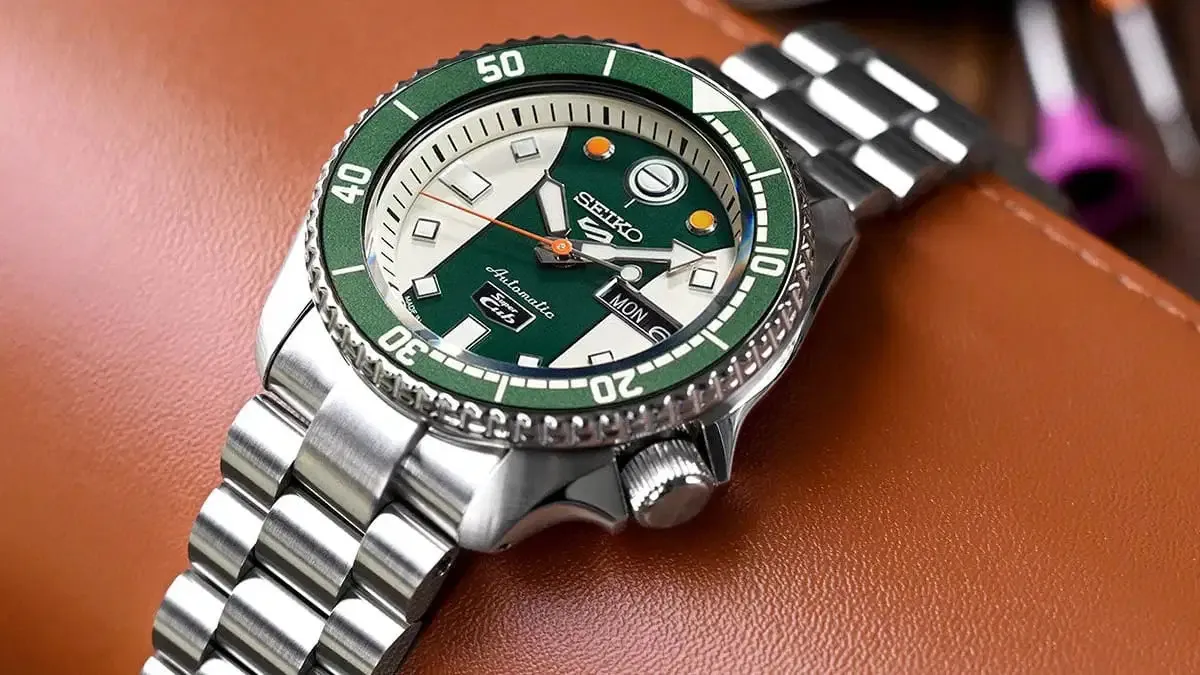
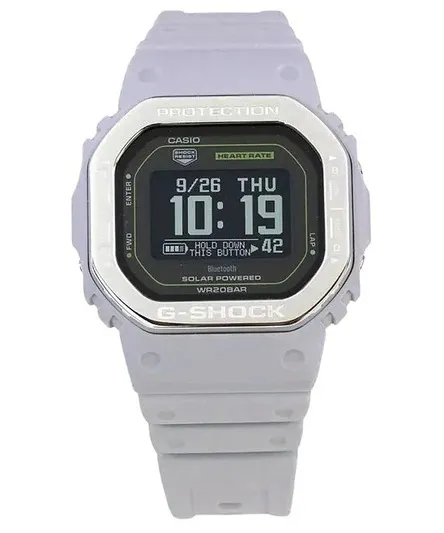
Four names cover the overwhelming majority of Japanese watches sold in Ireland. Seiko runs from entry-level mechanical watches up to serious dive and dress collections. Citizen built its position on light-powered movements. Orient concentrates almost entirely on mechanical watches at accessible prices. Casio operates on a different axis again, prioritising digital function, shock resistance, and battery life over traditional watchmaking. Browsing the montre japon range alongside the Citizen and Orient catalogues is the fastest way to see how differently these four interpret the same price bracket.
Mechanical Movements: Where the Value Sits
Japanese automatic movements are engineered for serviceability and tolerance rather than decoration. Bridges are often left with a functional finish, rotors are stamped rather than skeletonised, and regulation is set to a working band instead of a chronometer band. What you get in return is a movement that runs for years without intervention and can be repaired by a general watchmaker. If a seller quotes a specific accuracy figure or beat rate for a given calibre, check it against the manufacturer's own specification sheet before treating it as fact. [VERIFY: source = official brand website]
Light-Powered and Solar Movements
Citizen's Eco-Drive and Seiko's solar lines convert light into stored electrical energy, removing the battery change from ownership entirely. The practical consequence is a watch that keeps running in a drawer for months provided it saw daylight before it went in there. For anyone who owns several watches and rotates them, this matters more than it sounds. The montre japon selection covers both the dress-oriented and the sports-oriented interpretations of the technology.
Dive Watches and the Japanese Sports Watch
Japanese dive watches earned their reputation on a specific combination: a unidirectional bezel with a firm detent, a dial laid out for legibility at a glance rather than for elegance, and lume applied thickly enough to still be readable hours into the dark. Case construction tends toward monobloc or heavily gasketed backs. Water resistance ratings vary widely by reference and should be read from the specific model page rather than assumed from the family name, since a 100m sports watch and a 200m ISO-rated diver look similar in photographs and behave very differently in water.
Sizing, Proportion and Wrist Fit
Japanese case design has historically run compact by modern standards, particularly in dress and field references, though the sports lines moved larger through the 2000s. The number that decides whether a watch fits is lug-to-lug distance, not diameter — a 42mm case with short, steeply curved lugs will sit better on a 17cm wrist than a 40mm case with long flat lugs. Check the lug-to-lug figure on the product page before ordering, and if it is not listed, ask.
Where Japanese Watches Are Assembled
Not every Japanese-branded watch is assembled in Japan. Several manufacturers operate plants in Malaysia, Thailand, China, and elsewhere, with higher-tier collections retained domestically. The case back or the specification sheet will usually state the country of manufacture. This is a factual point rather than a quality judgement: assembly location correlates loosely with collection tier, not reliably with how well an individual watch performs. If origin matters to you, treat it as a filter to apply at the model level.
Buying in Ireland: Warranty, Service and Sizing
Buy from a seller who states the warranty terms in writing, handles bracelet sizing before dispatch or explains how to do it, and publishes a return window. Mechanical watches occasionally need regulation out of the box; a seller who will take that back without argument is worth more than a small discount. Delivery to Irish addresses, EUR pricing without conversion surprises at checkout, and a contactable service route all belong on the checklist. The full montre japon catalogue is priced and shipped for the Irish market.
Making the Decision
Decide the movement first and the brand second. If you want a watch that needs nothing from you and never stops, choose light-powered. If you want to feel the mechanism and accept setting it after a rest, choose automatic. If you want function stacked over form, choose digital. Once the movement is settled, the brand shortlist narrows itself, and you can compare like against like on case size, water resistance, and warranty rather than on marketing.
Frequently Asked Questions
What does montre japon mean?
It is the French term for a Japanese watch. In practice it refers to watches from the major Japanese manufacturers, whose defining trait is in-house production of the movement as well as the case and dial.
Are Japanese watches better value than Swiss watches?
At entry and mid price points they typically offer a mechanical movement where a comparable Swiss watch offers quartz, because vertical integration removes the external movement supplier's margin. At luxury level the comparison changes and depends on the specific models.
Do Japanese automatic watches need servicing?
Yes. A mechanical movement needs cleaning and re-lubrication periodically. Service intervals vary by calibre and use, so follow the manufacturer's stated interval for your specific model rather than a general rule.
Are all Japanese watches made in Japan?
No. Several brands assemble part of their range in other countries while keeping higher-tier collections domestic. The country of manufacture is usually printed on the case back or listed in the specification.
How accurate is a Japanese automatic watch?
Accuracy is quoted as a daily range rather than a single figure, and it varies by calibre and by how the watch is worn and stored. Check the manufacturer's stated range for your calibre before assuming a number.
Is solar the same as quartz?
A solar watch is a quartz watch with a light-charged rechargeable cell instead of a disposable battery. The timekeeping mechanism is the same; the power source is what differs.
Which Japanese watch suits a first mechanical purchase?
An entry automatic with a screw-down crown, a sapphire or hardened crystal, and a bracelet that can be sized at home covers most first-buyer needs without committing to a large case or a high price.
Verdict
A montre japon is best understood as a product of vertical manufacturing rather than as a national style. That structure is why mechanical movements appear at prices where they otherwise would not, and why choosing the movement type before the brand produces a better outcome. Confirm water resistance and lug-to-lug on the individual product page, buy from a seller with written warranty terms and an Irish returns route, and compare on specification rather than badge. The montre japon range at Citywatches.ie is priced in euro for the Irish market.


























Sign in to leave a comment.