Mouth Ulcers: Common Causes, Treatment Options and Prevention Tips

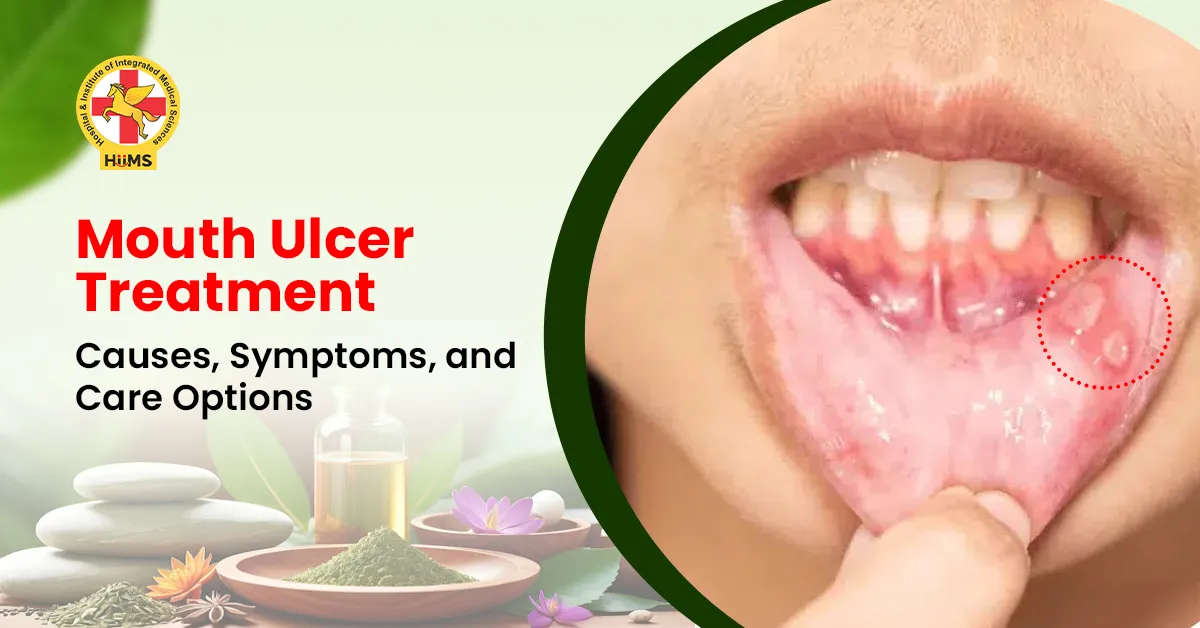
inner cheeks, lips, and gums. They can make eating, drinking, and speaking uncomfortable. Although most mouth ulcers heal naturally, understanding their possible causes and treatment options can help people manage discomfort and support recovery.

Understanding the Common Causes of Mouth Ulcers
Several factors may contribute to the development of mouth ulcers. These include accidental biting, irritation from dental appliances, stress, and deficiencies in nutrients such as iron, folate, or vitamin B12. Certain foods, particularly spicy or acidic items, may also irritate existing sores.
In some cases, recurring ulcers may be associated with medications or underlying health conditions. Identifying possible triggers can help people make informed decisions about their oral health.
Treatment Options for Mouth Ulcers
Treatment depends on the severity of the sores and their underlying cause. Most minor ulcers heal within one to two weeks without specific treatment. However, simple care measures may help reduce discomfort.
- Maintain oral hygiene: Brush gently with a soft-bristled toothbrush to avoid irritating the affected area.
- Choose suitable foods: Soft foods may be easier to eat, while spicy, acidic, and very hot foods can worsen discomfort.
- Stay hydrated: Drinking enough water helps maintain moisture in the mouth.
- Seek professional guidance: A dentist or healthcare professional may recommend suitable treatments to relieve pain or address an underlying cause.
Avoid applying harsh substances or unverified remedies directly to the sores, as these may cause further irritation.
Practical Tips to Support Recovery
Maintaining a balanced diet, avoiding tobacco, and identifying personal triggers may help support oral health. People who experience frequent mouth ulcers may benefit from keeping a record of when the sores develop, how long they last, and any associated symptoms.
Nutritional supplements should generally be considered when a deficiency is identified or a healthcare professional recommends them.
When Should You Consult a Healthcare Professional?
Most mouth ulcers resolve without complications. However, professional evaluation is important if a sore lasts longer than two to three weeks, frequently returns, becomes unusually large, or is accompanied by fever or difficulty swallowing.
Persistent ulcers may require further examination to identify nutritional deficiencies, irritation, or other medical conditions.
Conclusion
Mouth ulcers can interfere with everyday activities, but gentle oral care and appropriate lifestyle adjustments may help manage discomfort during recovery. Understanding potential causes and choosing suitable care are important steps toward better oral health. If ulcers persist or recur frequently, consult a qualified healthcare professional for an appropriate assessment and personalised guidance.








Sign in to leave a comment.