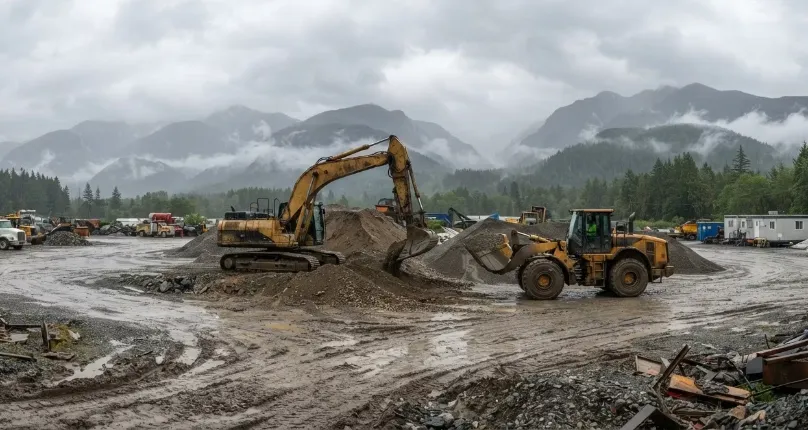

Construction projects, manufacturing facilities, and industrial yards frequently need to move machinery that has reached the end of its service life or must be relocated to another site. Excavators, bulldozers, industrial generators, loaders, and large production units cannot be handled like ordinary discarded materials. Their dimensions, weight, and mechanical complexity demand careful preparation.
An unsuccessful move can damage expensive property, delay operations, or expose workers to serious hazards. Planning the operation properly helps businesses control these risks while ensuring that equipment reaches its intended destination safely.
Assessing the Machinery Before Moving It
Every successful relocation begins with understanding exactly what needs to be transported. Equipment specifications, approximate weight, overall dimensions, and existing mechanical conditions influence the choice of lifting and transportation methods.
Older machines may have seized components, damaged tires, leaking hydraulic lines, or missing parts that complicate loading. Equipment that appears stable while parked can shift unexpectedly when lifting begins.
A machine that cannot move under its own power may require a completely different transport strategy from a fully operational unit.
Site managers should provide accurate equipment information before requesting a quotation. Photographs, manufacturer details, and measurements can help a service provider identify access restrictions and estimate the resources required.
Preparing the Site for a Controlled Operation
Limited access often creates more difficulties than the machinery itself. Narrow gates, low overhead structures, soft ground, underground utilities, and nearby buildings can restrict movement around industrial sites.
Before transportation begins, workers should identify a suitable route and remove unnecessary obstacles. Ground conditions deserve particular attention because heavy vehicles and lifting equipment can become unstable on weak or uneven surfaces.
Where cranes are necessary, qualified personnel must assess ground-bearing capacity, lifting distances, overhead hazards, and equipment positioning. Appropriate barriers should prevent unauthorized individuals from entering the operating area.
Advance preparation also helps businesses coordinate deliveries, employee access, and production schedules. A clear work plan reduces unnecessary waiting and minimizes interference with other site activities.
Selecting Suitable Transport Equipment
Different machines require different transportation arrangements. Smaller construction equipment may fit on an appropriate trailer, whereas oversized industrial units could require specialized low-loader vehicles or other heavy-haul solutions.
Transport planning must account for the combined dimensions and weight of the load, the carrying capacity of the vehicle, and any applicable road restrictions. Route surveys may be necessary when bridges, sharp turns, restricted roads, or overhead cables could present problems.
Permits, escorts, and special routing arrangements may be required for certain oversized or overweight loads, depending on local regulations.
Experienced transport coordinators consider these details before dispatch rather than attempting to resolve every issue after the machinery has been loaded. Correct planning protects the equipment and helps prevent avoidable transportation delays.
Understanding Professional Heavy Machinery Services
Arranging Heavy Equipment Removal through a qualified provider can simplify complicated industrial projects. Depending on the job, the service may include dismantling, lifting, loading, transportation, recycling, or delivery to another facility.
Businesses should explain whether the equipment will be scrapped, sold, stored, or transferred to a new location. Each objective creates different requirements for handling and documentation.
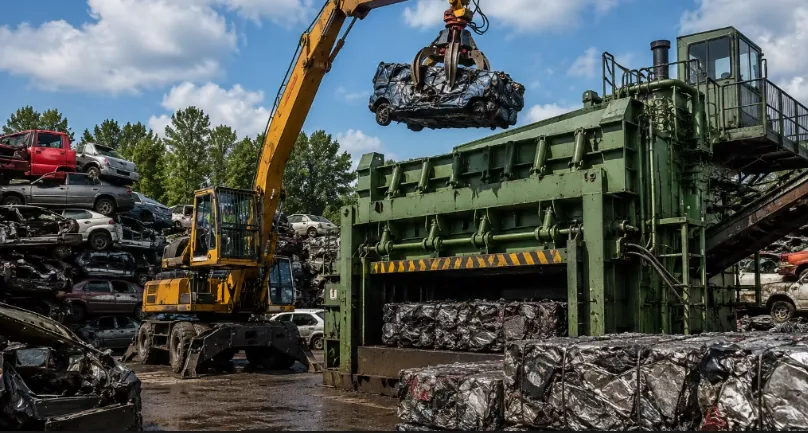
For example, machinery intended for resale may need careful disconnection and protection of valuable components. Equipment destined for recycling might require segregation of recoverable metals and suitable handling of fluids.
Written quotations should specify the included services, transportation arrangements, additional charges, and responsibilities for preparing the machinery. Comparing detailed proposals is more useful than choosing a provider based on the lowest headline price.
Protecting Workers and Surrounding Property
Safety remains essential whenever heavy machinery is lifted or transported. Crushing hazards, unstable loads, stored hydraulic pressure, and unexpected mechanical movement can cause severe injuries.
Before dismantling begins, appropriate energy sources must be isolated by competent personnel. Hydraulic systems, electrical connections, batteries, fuel supplies, and other potentially hazardous components require suitable procedures.
Lifting equipment should be selected according to the actual load and used within its rated capacity. Only trained operators and authorized personnel should participate in critical lifting activities.
Weather conditions can also affect operations. Strong winds, poor visibility, and heavy rainfall may make particular lifting or loading tasks unsafe.
A responsible provider establishes clear communication procedures, checks equipment before use, and stops work whenever conditions become unsuitable.
Finding Value in Retired Machinery
Outdated equipment may still offer financial value even when it no longer meets operational requirements. Certain machines can be refurbished, sold for spare parts, or transferred to businesses seeking affordable alternatives to new equipment.
Metal components may also contain recyclable steel, aluminum, copper, and other materials. However, the recoverable amount depends on the machine's composition, condition, contamination, and prevailing market prices.
Owners should compare resale offers with recycling estimates before authorizing dismantling. Equipment with a functioning engine or valuable attachments may command a better price intact than as separated scrap.
Keep ownership documents, equipment identification numbers, and relevant service records available when required. Clear documentation can make transactions easier and help establish the equipment's history.
Managing Costs Without Sacrificing Quality
Transportation distance, machine dimensions, lifting requirements, dismantling complexity, and site accessibility all influence the final expense. Specialized permits, additional labor, hazardous-material handling, and difficult ground conditions may increase the overall budget.
Request an itemized estimate that explains the major cost categories and identifies possible additional charges. Confirm whether the quoted amount includes loading, transportation, disposal, and any required cleanup.
Businesses should also verify insurance coverage and relevant operating qualifications before approving the work. Saving money through an unsuitable provider can create much greater expenses if machinery or property is damaged.
Final Thoughts
Moving large industrial assets requires more than a suitable truck and a lifting machine. Careful assessment, route planning, qualified operators, and appropriate safety measures all contribute to a successful operation.
Businesses can improve efficiency by preparing their sites early, comparing detailed quotations, and determining whether unwanted machinery has resale or recycling potential. With a well-organized approach, even complicated equipment movements can be completed more safely and with less disruption to everyday operations.






























Sign in to leave a comment.