

In the aesthetic dermatology industry, non-ablative fractional laser technology represents a significant leap forward for patients seeking visible skin rejuvenation without extended recovery periods. Modern patients frequently seek proactive measures to correct early photoaging, uneven tone, and textural irregularities. MOXI™ Gentle Laser Resurfacing in Sugar Land provides a clinical solution designed for prejuvenation and maintenance, utilizing a 1927 nm wavelength diode laser. Operating under precise medical protocols, Rania Aesthetic Studio delivers this customized treatment to refresh dermal vitality while prioritizing patient safety and evidence-based outcomes.
Understanding the MOXI Mechanism and Technology
The system functions through fractional non-ablative photothermolysis. Unlike traditional ablative lasers that vaporize the outer stratum corneum, non-ablative wavelengths pass through the skin surface to create microscopic epidermal necrotic debris, commonly referred to in clinical dermatology as MENDs.
These microscopic treatment zones stimulate the body’s natural wound-healing cascade without stripping the protective outer barrier. Fibroblasts are activated, stimulating neocollagenesis and cellular turnover. Because the laser precisely targets water within the tissues rather than melanin, it possesses a high safety profile across all Fitzpatrick skin types (I through VI). Clinical practitioners utilize this modality to treat:
- Melasma and diffuse epidermal hyperpigmentation
- Fine lines and early periorbital crepiness
- Uneven skin texture and enlarged follicular pores
- Minor sun damage on the face, neck, decolletage, and hands
What to Expect During the Procedure
A clinical consultation forms the foundation of treatment efficacy and safety. A practitioner assesses skin integrity, medical history, past UV exposure, and specific aesthetic goals.
On the day of your session, the target area is thoroughly cleansed to remove sebum, cosmetics, and ambient pollutants. A topical anesthetic cream is applied uniformly across the treatment zone and allowed to occlude for approximately thirty to forty-five minutes. This ensures maximum comfort throughout the session.
Once numbness is achieved, the skin is degreased and sterilized. The clinician calibrates the laser handpiece based on the planned depth and density settings, which range from level one (preventative/prejuvenation) to level three (corrective resurfacing).
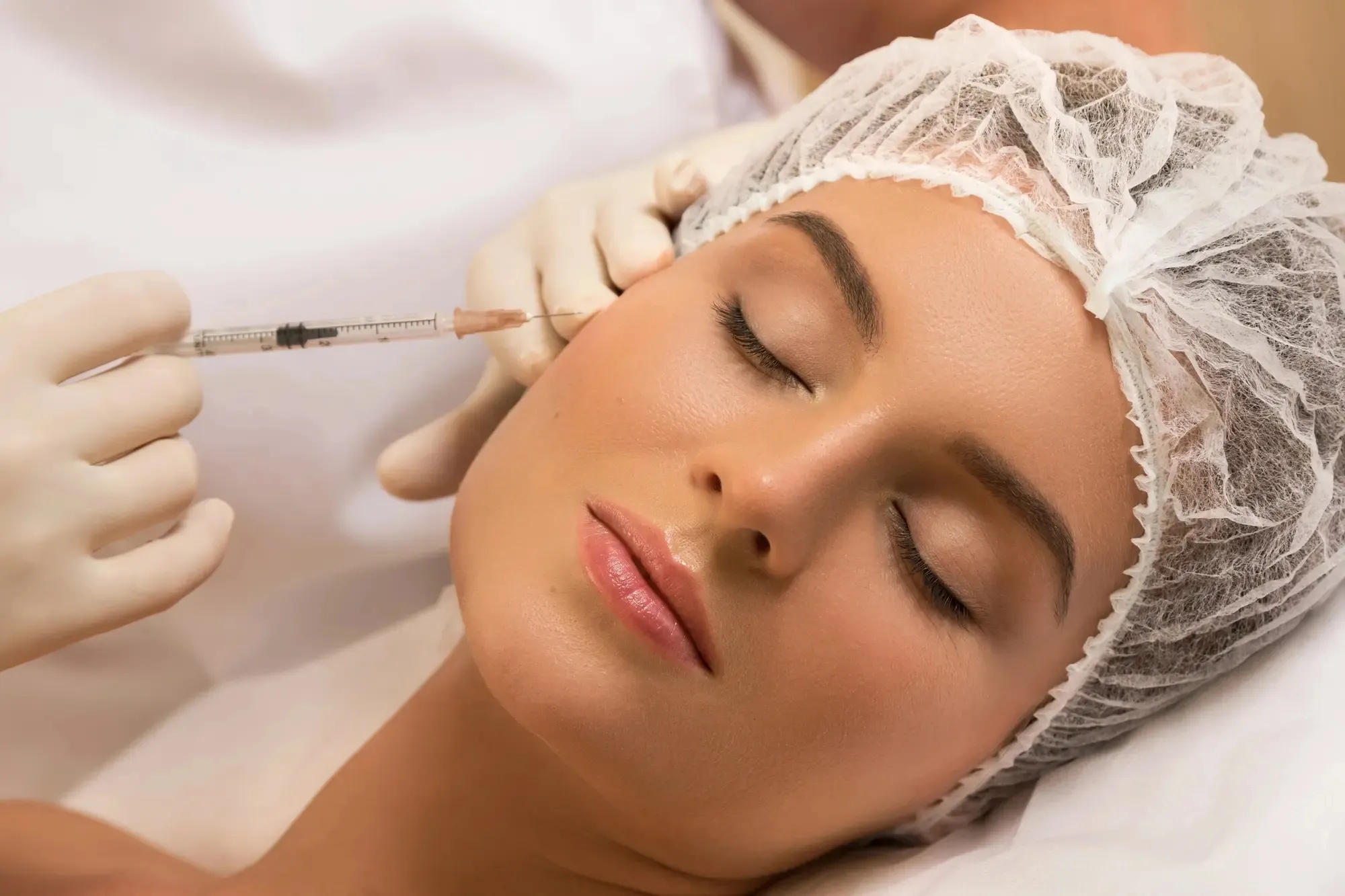
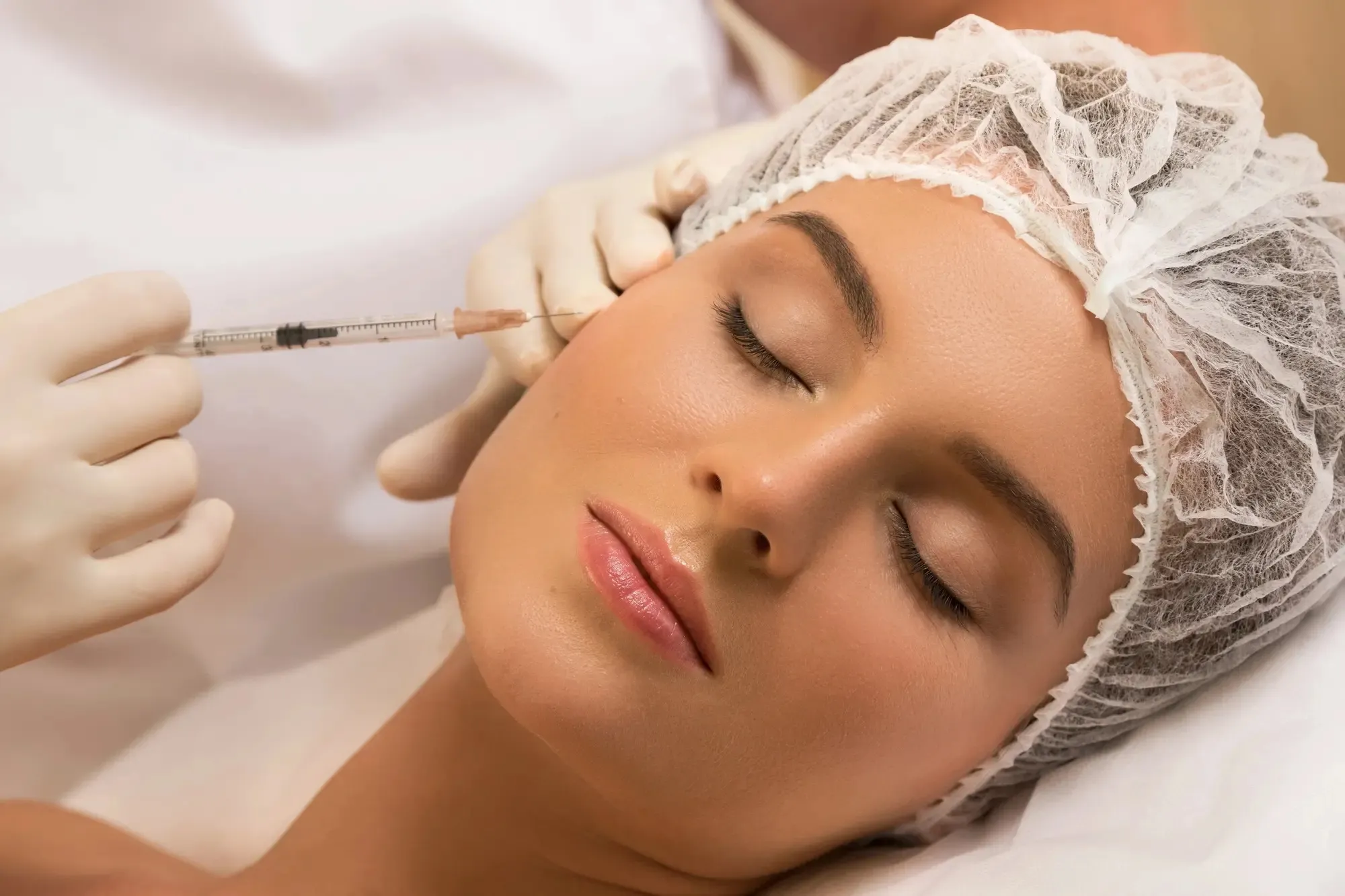
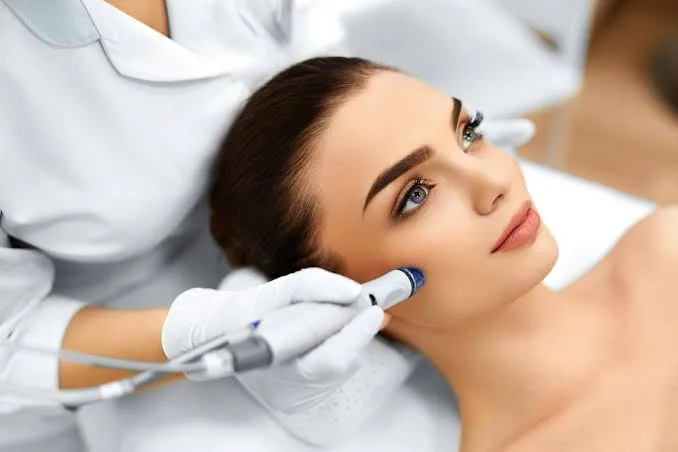
During passes with the roller handpiece, patients typically report feeling a gentle prickly sensation combined with progressive warmth. Integrated continuous cooling tips and targeted cold-air delivery devices minimize thermal discomfort. The active laser pass typically requires only twelve to fifteen minutes to complete. Immediately following passes, clinical-grade post-procedure serums and physical mineral sunscreens are applied to calm transient erythema.
Managing the Downtime and Healing Phases
Downtime associated with non-ablative fractional therapy is minimal compared to deep chemical peels or ablative CO2 lasers. However, patients must anticipate predictable physiological stages as the skin regenerates.
Patients searching for professional laser treatment sugar land tx often select this modality specifically because it fits within busy professional and personal schedules.
Day of Treatment (Hours 0–24)
Immediately post-treatment, the skin presents with moderate erythema and mild edema, resembling a moderate sunburn. A warm, prickling sensation persists for one to three hours. Cool compresses and thermal water sprays provide relief. Rigorous exercise, saunas, hot showers, and active topicals such as retinoids or alpha-hydroxy acids must be strictly avoided during this initial window.
Days 2 to 3
The initial redness fades into a slightly bronzed complexion. Microscopic epidermal necrotic debris (MENDs) begin rising to the skin surface. To the touch, the skin feels rough, granular, and sandpaper-like. This is an expected indicator that the damaged micro-zones are actively being shed by newly forming epidermal tissue. Gentle hydration using hyaluronic acid and bland ceramide-rich barrier creams is essential.
Days 4 to 7
Natural cellular desquamation accelerates. Tiny micro-crusts will slough off naturally during normal washing. Patients must avoid picking, scrubbing, or using mechanical exfoliants, as premature removal can trigger post-inflammatory hyperpigmentation. Makeup can typically be resumed after 24 hours if formulated without irritants, though allowing the skin to breathe accelerates recovery. By day seven, fresh, illuminated skin with refined texture and clarified pigmentation emerges.
Clinical Aftercare and Safety Protocols
Post-procedure compliance dictates both safety and the longevity of aesthetic results. Clinical skin care professionals advise strict adherence to the following guidelines:
- Broad-Spectrum Photoprotection: Apply a pure physical sunscreen with an SPF of 30 or higher containing zinc oxide or titanium dioxide daily, reapplying every two hours during daytime exposure.
- Barrier Repair: Use non-comedogenic, fragrance-free occlusives or balms to trap epidermal moisture while the skin's natural permeability barrier is healing.
- Retinoid Suspension: Discontinue topical retinoids, exfoliating acids, and vitamin C serums for at least five to seven days post-procedure or until re-epithelialization is fully established.
- Mechanical Restraint: Cleanse the face using fingertips only, patting dry with a clean cotton towel rather than wiping.
Through disciplined treatment delivery, appropriate candidate selection, and structured aftercare protocols, fractional non-ablative therapy achieves balanced skin health and radiance.



























Sign in to leave a comment.