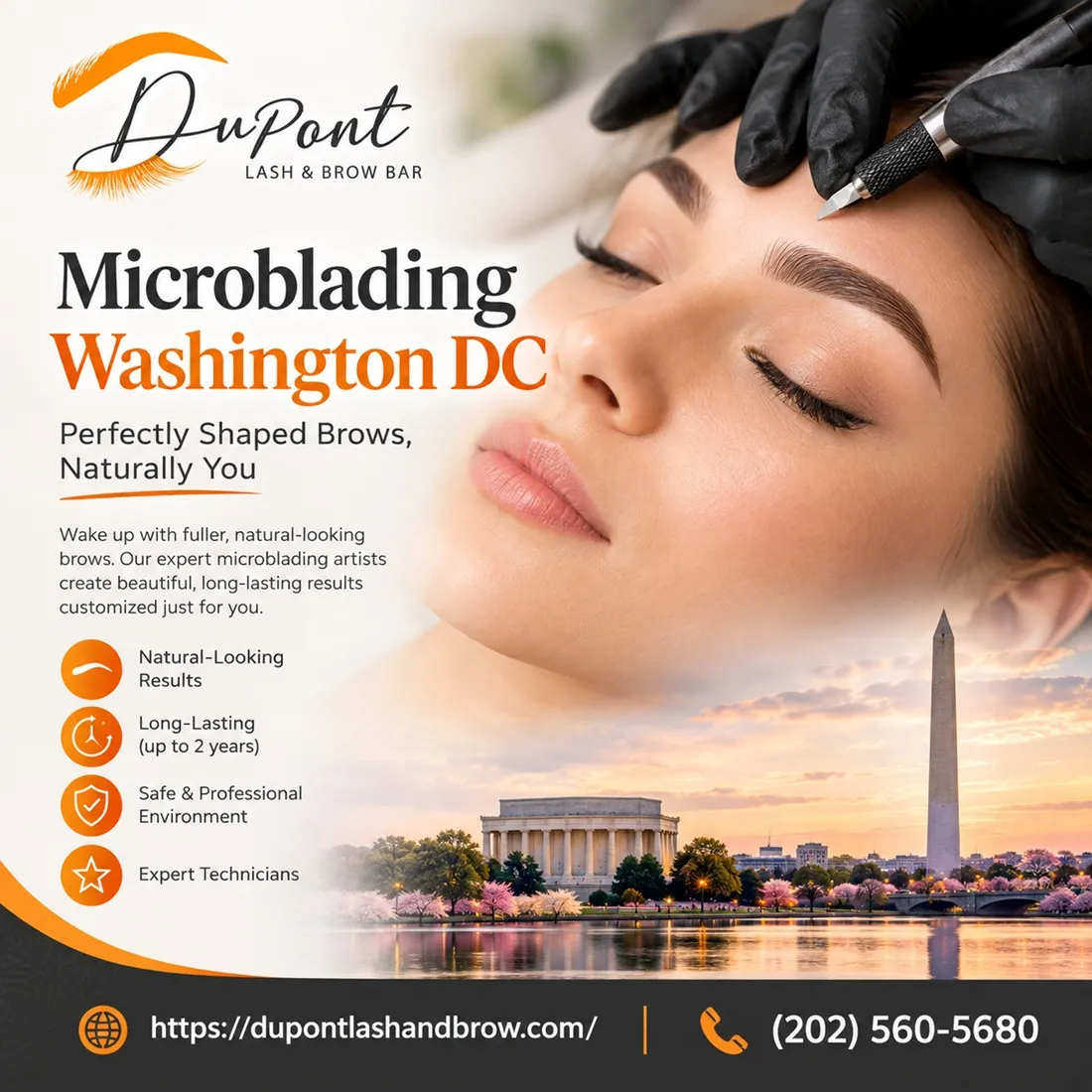

Well-defined brows help frame your face and complement your natural features. If you want to reduce daily brow maintenance while adding definition, semi-permanent brow treatments offer several options. Two popular techniques to do that are nano brows and microblading.
While both aim to create hair-like strokes, they differ in how professionals apply pigment to the skin. Understanding those differences makes it easier to discuss your options during a consultation and choose a treatment based on your natural brows, skin characteristics, and desired appearance.
Your choice also depends on previous brow work and the type of finish you prefer. Rather than choosing a treatment because it looks appealing in photographs, learning how each technique works gives you a better starting point for making an informed decision.
Why Choose Nano Brows Over Microblading?
The technique uses a cosmetic tattoo machine and a fine needle to create delicate, hair-like strokes. The machine allows a trained artist to control needle movement and pigment placement while following the natural direction of existing brow hairs.
The technique aims to create a realistic appearance by adding definition where natural brow hair looks sparse or uneven. A professional can also vary the placement and density of strokes to complement your existing brow shape.
Your final result depends on several factors, including natural brow density, skin characteristics, pigment selection, technique, and healing. A consultation helps determine whether nano brows suit your specific brow goals.
Why Choose Microblading Over Nano Brows?
This technique uses a handheld tool fitted with fine blades to create small strokes in the skin and deposit pigment. The strokes are designed to resemble individual brow hairs and add definition to areas with less natural hair.
The technique appeals to people who prefer a hair-stroke effect rather than a solid, makeup-like brow. The final appearance depends on the artist's skill, brow design, pigment choice, skin characteristics, and healing process.
Because each person's skin responds differently, a professional assessment remains an important part of the decision. Previous brow treatments may also influence whether microblading is an appropriate option.
Which Technique Looks More Natural?
Both nano brows and microblading aim to produce natural-looking results. Neither technique automatically guarantees a particular appearance because the finished result depends on the individual's brows, skin, pigment, design, and practitioner technique.
Natural-looking brows also require careful attention to shape and proportion. A professional considers the direction of existing brow hairs and places additional strokes where they complement rather than overwhelm the natural pattern.
If you want subtle enhancement, explain your preferred brow shape and finish during your consultation. Reference photographs may also help communicate the type of result you have in mind.
How Does Skin Type Affect Your Choice?
Skin characteristics play an important role in cosmetic brow treatments. Oil production, texture, sensitivity, and other skin factors may influence how pigment settles and how individual strokes appear after healing.
People with different skin characteristics may receive different recommendations. Previous cosmetic tattooing, existing pigment, scarring, or uneven brow areas may also affect which technique is appropriate.
This is why choosing between nano brows and microblading should involve more than comparing photographs online. A qualified professional can assess your brows and skin before explaining which options align with your goals.
What Brow Result Do You Want?
Your preferred appearance is another important consideration. Before booking a treatment, think about what you want your brows to look like on a typical day.
Ask yourself:
- Do you want fine, individual-looking brow strokes?
- Are some areas of your brows noticeably sparse?
- Do you want to maintain the appearance of your existing brow hair?
- Do you prefer a soft finish or more defined brows?
- Have you had previous brow treatments?
- How much time do you currently spend filling in your brows?
Your answers help create a clearer conversation with your brow professional. They also make it easier to compare treatments based on your specific needs rather than general beauty trends.
What Should You Consider Before Choosing?
Choosing a brow technique involves several practical considerations.
Natural brow density: Your existing brow hair provides an important starting point for designing the shape and placement of additional strokes.
Skin characteristics: Skin type and condition may influence how a treatment heals and how pigment appears over time.
Desired finish: Consider whether you want subtle, hair-like definition or a more noticeable brow appearance.
Previous treatments: Existing pigment from microblading, permanent makeup, or corrective work may affect your treatment options.
Practitioner experience: Look for a professional who takes time to assess your individual features and explain the treatment process rather than recommending the same approach to everyone.
If you are researching a beauty salon in Washington, DC, you can visit for brow services and pay attention to the quality of consultations and the treatment menu. A thorough discussion of your natural brows, expectations, and skin characteristics provides a stronger foundation for making your choice.
Final Takeaway
There is no single brow technique that suits every person. The better choice depends on your natural brows, skin characteristics, desired finish, previous treatments, and the professional assessment you receive.
Nano brows and microblading both focus on creating hair-like definition, yet their application methods differ. Understanding those differences helps you have a more productive consultation and decide which approach aligns with your goals.
Instead of selecting a treatment solely because of a photograph or current trend, consider how the technique fits your individual brows and the result you want. A qualified professional can explain your options, discuss realistic expectations, and help you make a decision based on your specific needs.





















Sign in to leave a comment.