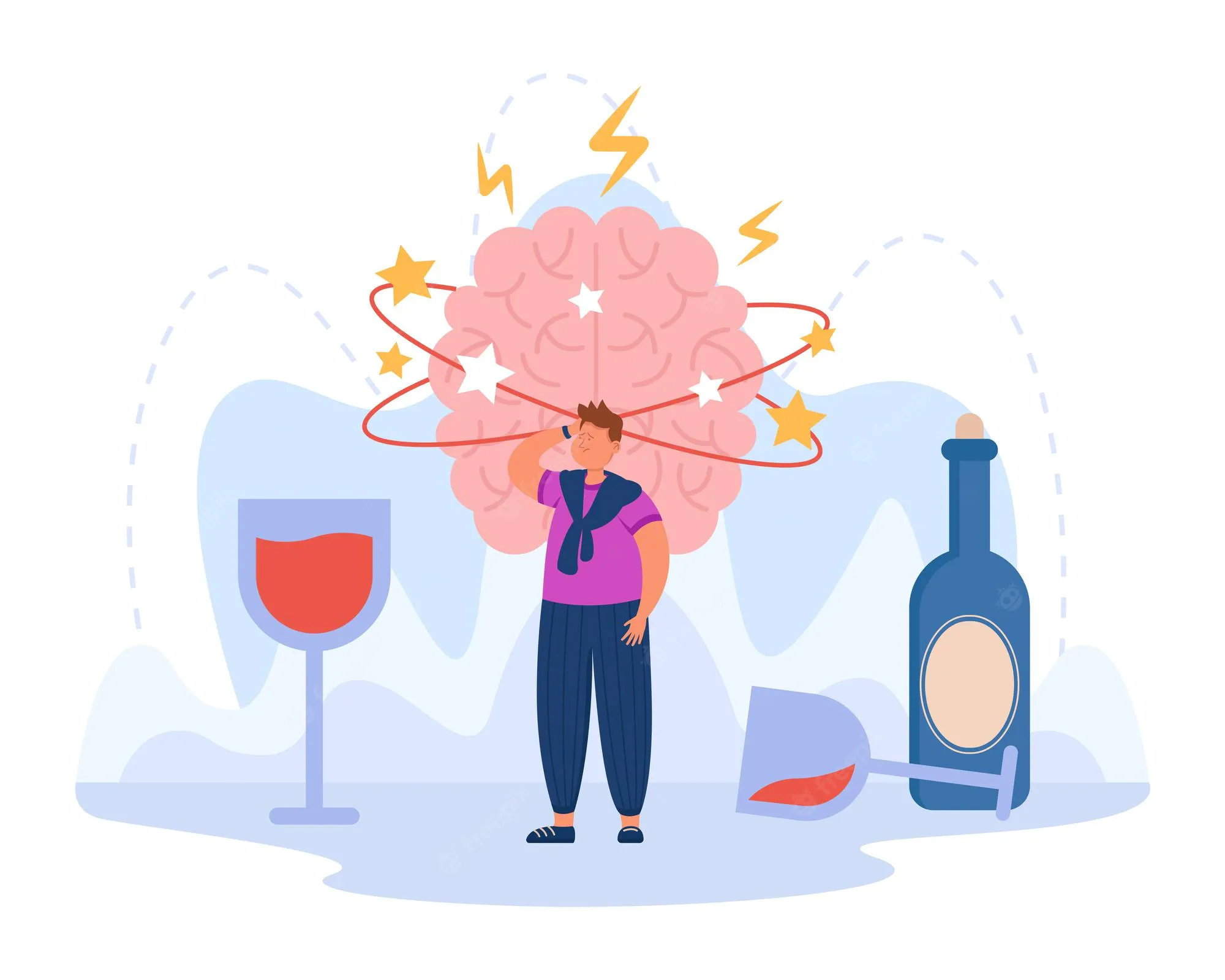

The hardest step in addiction recovery is often the first one: picking up the phone. For many families across Punjab, Haryana, and Chandigarh, that call comes after years of silence, fear, and worry about what neighbours will think. If you are searching for a nasha mukti kendra in Chandigarh, this guide explains what the journey looks like, so you can walk into it informed rather than afraid.
Why More Families Are Reaching Out for Help
The stigma around addiction is starting to break. Government de-addiction centres in Punjab saw admissions rise from 9,577 in 2024 to 25,290 in 2025, an increase of more than 164 per cent, and over 14,000 people had been admitted by July 2026. Reports on these figures describe this as a sign that more families and individuals are willing to approach treatment centres rather than letting stigma keep their loved ones in the dark.
The numbers matter because they tell a human story. Behind every admission is a mother who noticed changes in her son, a wife who found out, or a young man who finally admitted he could not stop alone. Seeking a nasha mukti kendra is no longer a secret shame. It is increasingly seen as a responsible, courageous decision.
Understanding Addiction as a Health Condition
Addiction is a medical and psychological condition, not a moral failure. Professional de-addiction and rehabilitation care treats the body, the mind, and the family environment together. Willpower alone rarely works, because substances change how the brain handles stress, reward, and decision-making.
Recent policy reflects this view. By August 27, 2026, more than 11,000 people had been granted immunity under Section 64A of the NDPS Act, which offers legal protection in specified cases to people with drug addiction, subject to conditions. The message is clear: treatment is being treated as the right response, not just punishment.
What Families May Expect at a Nasha Mukti Kendra in Chandigarh
Every centre is different, so ask questions before you admit anyone. In general, a professional nasha mukti kendra in Chandigarh follows a structured path.
Step 1: Assessment and Consultation
The first meeting usually involves a doctor or counsellor who reviews substance use history, physical health, mental health, and family background. Expect honest questions. Accurate answers lead to a safer, more effective plan.
Step 2: Medical Detoxification
Detox helps the body clear the substance under medical supervision. Withdrawal can be uncomfortable and, with some substances, dangerous, which is why it should never be attempted casually at home. Good centres monitor vital signs, manage symptoms, and keep the patient as comfortable as possible.
Step 3: Counselling and Therapy
Once the body stabilises, the deeper work begins. This typically includes individual counselling, group therapy, and behavioural approaches that help identify triggers, manage cravings, and rebuild coping skills. Some patients also need treatment for anxiety, depression, or trauma alongside addiction.
Step 4: Rehabilitation and Life Skills
Rehabilitation builds a routine again: sleep, nutrition, exercise, yoga, and structured activity. Many programmes also help with vocational skills and reintegration, because staying clean is easier when life has purpose.
Step 5: Aftercare and Relapse Prevention
Recovery does not end at discharge. Follow-up sessions, support groups, and family check-ins reduce the risk of relapse. Punjab's expanding network includes outpatient options too: new registrations at Outpatient Opioid-Assisted Treatment clinics rose from 13,033 in 2024 to 17,702 in 2025.
A Family Scenario (Illustrative)
The following is a composite example, not a real individual.
Imagine a family in Mohali whose 24-year-old son has been using drugs for three years. His parents kept hoping it was a phase. After he missed a job interview and a heated argument, his mother finally called a centre. The first week was hard. He was irritable, unwell, and asked to go home. But the counsellors kept his parents updated, explained what withdrawal looked like, and prepared them for the emotional ups and downs.
By week three, he was joining group sessions. His father, who had never spoken about feelings, attended a family session and cried for the first time in years. Recovery did not arrive overnight, but the conversation in that house had changed for good.
How Families Can Support the Process
- Stay involved. Attend family counselling sessions and follow the centre's guidance.
- Set healthy boundaries. Support does not mean giving money that could fund relapse.
- Be patient. Progress is rarely a straight line, and a setback is not the end.
- Look after yourselves. Caregivers carry enormous stress and deserve support too.
Questions to Ask Before Choosing a Centre
Not every facility offers the same standard of care. Before admitting your loved one, ask:
- Is the centre registered and licensed with the health authorities?
- Are qualified doctors, psychiatrists, and counsellors on staff?
- How is detox managed and monitored?
- What is the policy on family visits and communication?
- Is there a clear aftercare and relapse-prevention plan?
- Is the pricing transparent, with no hidden charges?
Trust your instincts. A good centre will welcome your questions.
Taking the First Step
Choosing a nasha mukti kendra in Chandigarh is not giving up on your loved one. It is giving them a real chance. The rising number of people seeking care across the region shows that recovery is possible and that no family has to face addiction alone.
If someone you love is struggling, reach out to a qualified professional today. A single conversation can be the beginning of a very different story.
























Sign in to leave a comment.