

Many people who fall into drugs never learned how to put their feelings into words. Anger, grief, shame, and loneliness stay locked inside until a substance seems to quiet them. Treatment that only removes the drug leaves those feelings untouched. That is why a thoughtful Nasha Mukti Kendra in Himachal is beginning to use creative therapy, giving patients a safe way to express what they could never say out loud.
Why Feelings Left Unspoken Lead Back to Drugs
Drugs are often a shortcut for handling emotions. When life feels too heavy, a substance offers instant relief, even though it creates bigger problems later. Once the drug is gone, those emotions return at full strength, and a person who has no new way to cope is at high risk of relapse. Healing means learning another language for pain, and creative expression offers exactly that.
What Creative Therapy Looks Like in Recovery
Creative therapy uses art, music, and writing as tools for emotional healing. Patients do not need any talent or experience. The aim is not to produce something beautiful but to let feelings find a shape outside the mind. Guided by trained therapists, these sessions sit alongside medical care and counseling, not in place of them.
Painting and Drawing
Color and line can say what words cannot. A patient may sketch a dark storm one week and a sunrise over the mountains a few weeks later, and the change often reflects real progress. Therapists use these pieces gently to start conversations about what the person is feeling.
Music and Group Singing
Himachal has a rich tradition of folk songs and instruments, and music feels natural here. Listening, playing, or singing together lowers stress and builds a sense of belonging. Group sessions are especially valuable because addiction isolates people, and shared rhythm reminds them they are not alone.
Journaling and Storytelling
Writing a few honest lines every day helps patients notice triggers, track cravings, and celebrate small wins. Over weeks, a journal becomes proof of how far they have come, which is a strong reminder on difficult days.
Why the Hills Make Healing Easier
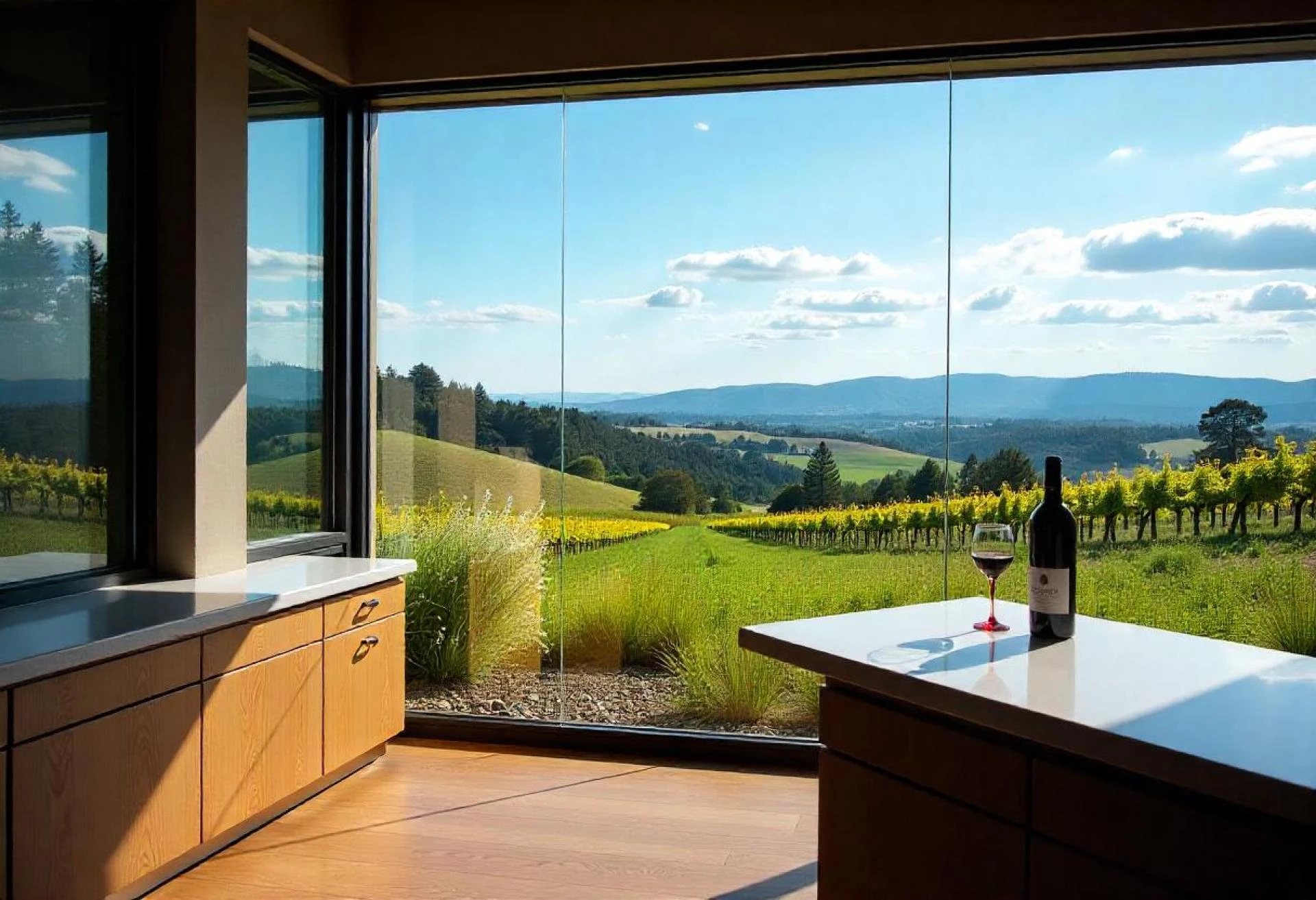
The calm of Himachal's valleys, forests, and clear skies gives creative work a natural setting. Sketching by an open window or writing outdoors in quiet surroundings helps the mind slow down, something that is hard to achieve in a noisy city. Nature does not cure addiction, but it creates the stillness in which healing can begin.
Creative Therapy Supports Medical Treatment, It Does Not Replace It
This honesty matters. Withdrawal from opioids, alcohol, and certain other drugs can be dangerous and must be supervised by qualified doctors. Counseling and psychiatric care, when needed, remain the foundation of recovery. Creative sessions work best once the patient is medically stable. Avoid any center that promises a quick cure through art or music alone.
What to Look for Before Choosing a Center
Ask whether licensed doctors and trained counselors are present on site. Find out who leads the creative sessions and whether they are qualified therapists. Check that families are involved and that a clear aftercare plan exists. A trustworthy Nasha Mukti Kendra in Himachal will answer these questions openly and welcome a visit before admission.
A New Way to Tell Your Story
Recovery is not only about leaving something behind. It is about discovering who you are without drugs, and creative expression helps people do exactly that. If someone you love is struggling, early help makes a real difference. A caring Nasha Mukti Kendra in Himachal can be where a new chapter begins.
Frequently Asked Questions
1. Do patients need artistic talent to join creative therapy?
No. The focus is on expression, not skill.
2. Can art and music therapy cure drug addiction on their own?
No. They support medical care and counseling but cannot replace them.
3. When can a patient start creative sessions?
Usually after detox is stable and a doctor confirms they are fit to participate.



















Sign in to leave a comment.