
Every family hopes it will never need to search for a nasha mukti kendra in Shimla. Yet across Himachal Pradesh, from busy Parwanoo to quiet villages in the hills, more parents are lying awake wondering what changed in their son or daughter. If that is you, please know this first: addiction is a health condition, not a moral failure, and recovery is possible.
Understanding Addiction in Himachal’s Hill Towns
Himachal is known for apples, pine forests and peace, but local media and government campaigns have repeatedly raised alarm about drug misuse among young people, especially synthetic drugs locally called “chitta.” Alcohol, prescription pills and cannabis products also remain common concerns.
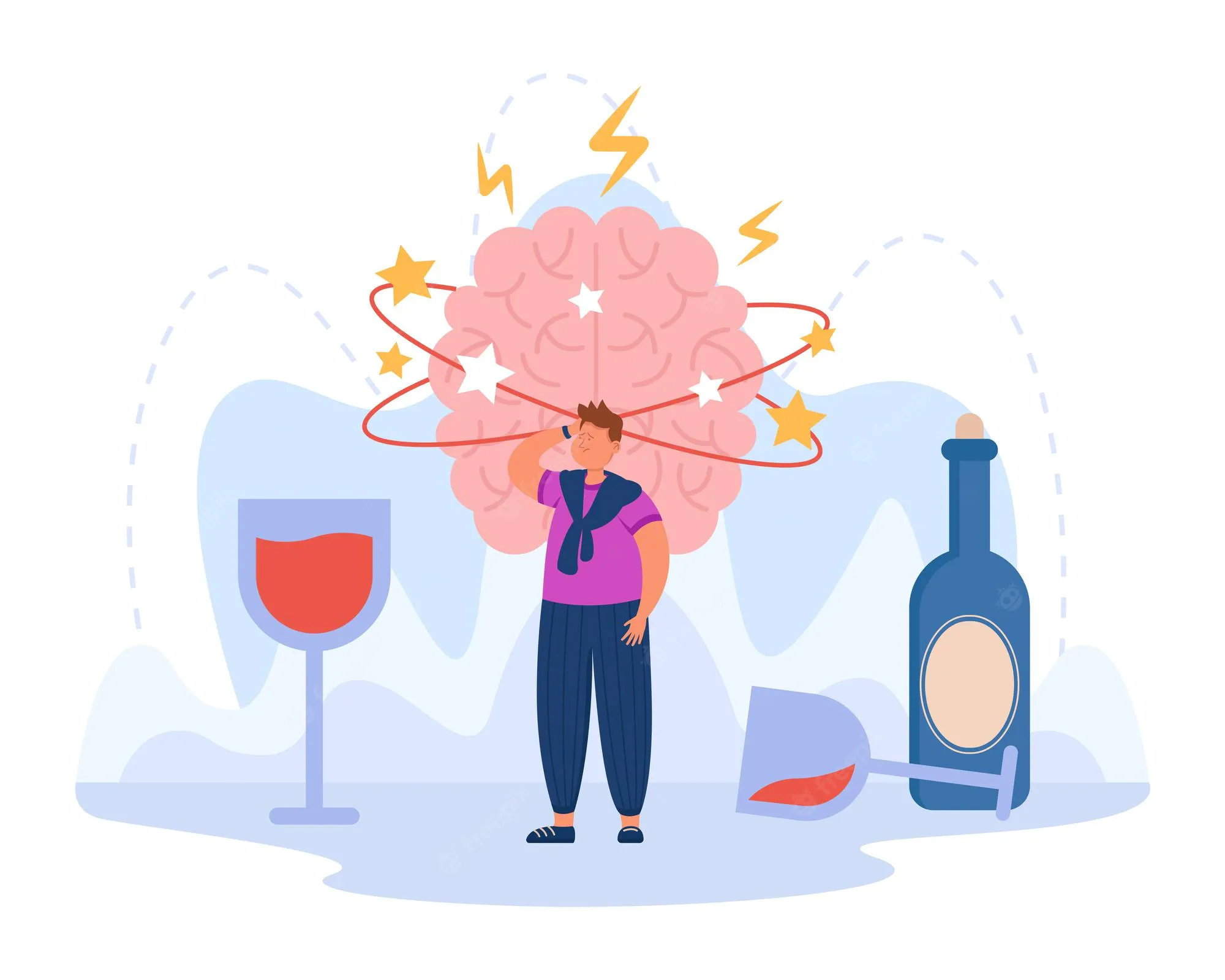
Addiction rarely begins with a dramatic moment. It often starts with curiosity, peer pressure, stress or untreated emotional pain. Over time, the brain’s reward system changes, and stopping becomes physically and mentally difficult. This is why professional support matters.
Why Parwanoo Families Face Unique Pressures
Parwanoo sits at the border of Himachal, Haryana, and Chandigarh, with a large industrial belt and heavy highway traffic. That brings jobs and opportunity, but also:
- Shift work and long hours that leave families less time together
- Migrant and local workers living far from family support
- Easier access to substances because of the town’s connectivity
- Stigma that stops families from seeking help openly
Because Parwanoo is only a few hours from the state capital, many families look to a nasha mukti kendra in Shimla for structured, medically supervised care away from daily triggers.
A Family’s Story (Illustrative Example)
This is an anonymised, composite example based on patterns commonly described by recovery professionals. It is not a single real individual.
Rakesh, a 24-year-old from an industrial town near Parwanoo, began using drugs with coworkers after night shifts. His mother noticed missing money, sudden weight loss, and angry outbursts. For months, the family blamed “bad company” and stayed silent, afraid of what neighbours would say.
The turning point came when his sister, instead of shouting, said, “We are not angry. We are scared for you. Will you talk to someone?” That one gentle sentence opened the door to a counsellor, a medical assessment and eventually residential treatment.
Rakesh’s recovery took months, not days, and included setbacks. But his family learned that patience and honesty did more than punishment ever could.
Warning Signs Every Family Should Know
Physical and behavioural changes
- Sudden weight loss, red eyes, tremors or poor sleep
- Withdrawal from family, old friends and hobbies
- Falling work or academic performance
- Money going missing, lies about whereabouts
- Mood swings, irritability or unusual drowsiness
One sign alone may not mean addiction, but several together deserve a caring conversation and professional advice.
What a Responsible Nasha Mukti Kendra in Shimla Should Offer
Not every centre is equal. A trustworthy facility follows ethical, medical and legal standards.
1. Medical detoxification under supervision
Withdrawal from alcohol, opioids and some other substances can be dangerous. Detox should be supervised by qualified doctors, never attempted abruptly at home.
2. Counselling and psychological therapy
Cognitive behavioural therapy, motivational counselling and trauma-informed care help patients understand triggers and build coping skills. Many people with addiction also live with anxiety or depression, so mental health screening is essential.
3. Family counselling
Recovery involves the whole household. Good centres teach families how to set healthy boundaries, rebuild trust and avoid blame cycles.
4. Aftercare and relapse prevention
Treatment does not end at discharge. Follow-up sessions, support groups and a clear relapse-prevention plan greatly improve long-term outcomes.
How to Choose a Centre Responsibly
Before admitting a loved one, check these points:
- Registration and licensing: Ask for valid registration under applicable state and central rules.
- Qualified staff: Doctors, psychiatrists and trained counsellors should be on the team.
- No abuse or coercion: Physical punishment, confinement or humiliation are red flags.
- Transparent costs: Fees, duration and facilities should be explained in writing.
- Visiting policy: Families should be able to ask questions and stay informed.
- Realistic promises: Avoid anyone guaranteeing a “100% cure.” Recovery is a process.
How Families Can Support Recovery
- Learn first, react later. Understanding addiction reduces anger and shame.
- Speak with love, not accusation. Use “I feel worried” rather than “You ruined us.”
- Set clear boundaries. Compassion does not mean giving money that may fund use.
- Care for yourself. Parents and siblings also need counselling and rest.
- Celebrate small wins. One sober week matters.
- Prepare for relapse as a possibility. It is a signal to adjust treatment, not a reason to give up.
Ending the Stigma Together
In close-knit communities like Parwanoo and Shimla, “log kya kahenge” (what will people say) keeps many families silent. But silence helps addiction grow. When families, schools, employers and local leaders talk openly, young people feel safer asking for help. Government initiatives like Nasha Mukt Bharat Abhiyaan show that this is a shared social responsibility.
Final Thoughts
Choosing a nasha mukti kendra in Shimla is a courageous, loving decision. Whether your family lives in Parwanoo, Solan, or the hills beyond, you do not have to carry this alone. Start with one conversation, one call, one honest step. Recovery begins when someone chooses hope.


















Sign in to leave a comment.