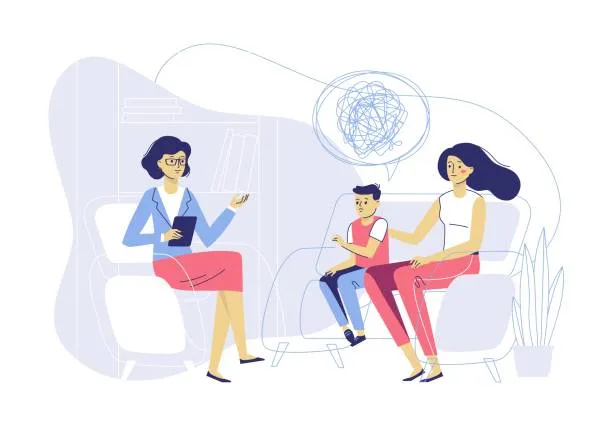

Every few days, another headline from Himachal Pradesh reminds us that addiction is no longer a problem "somewhere else." It is in our colleges, our neighbourhoods and, quietly, inside our homes. But there is a second story that gets far less attention: people do recover, and they recover best when they are not alone. If you are searching for a nasha mukti kendra in Solan, this article explains what is happening in our state and how families and neighbours can become part of the solution.
Why Solan's Families Cannot Afford to Look Away
Himachal has long dealt with hashish and opium, but the newer challenge is chitta, adulterated heroin. Chitta is highly addictive, relatively cheap and rapidly spreading among students and youth. The numbers are sobering. The Chief Minister told the Assembly that eight youths died of overdoses in 2023, 31 in 2024 and 27 in 2025.
Police action continues as well. In early September, Shimla Police arrested two people in Sanjauli after recovering around 24 grams of chitta and about seven grams of MDMA. Later that month, Kangra Police arrested three people, including a woman, after recovering 67.62 grams of chitta from a vehicle. The News Himachal The News Himachal
Enforcement is important, but arrests alone do not heal a person. Healing needs treatment, patience, and people who stay.
Real Stories Behind the Headlines
Behind every statistic is a family. These reported accounts show how addiction spreads through a household.
A Mother's Jewellery, a Family's Trust
Reports from Shimla describe how a youth in Sanjauli sold his mother's jewellery for very little just to buy chitta. Families often see the theft first and the illness later. The stolen gold is not the real loss. The real loss is the trust between a son and his mother. Recovery has to rebuild that trust, and it cannot be done by the patient alone.
The Solan Youth Who Lost Land and Livelihood
Outlook India reported on a young man from Solan who pawned family land, a JCB and other valuables to fund his addiction to chitta. The same report says he was treated at a de-addiction centre under trained professionals but relapsed, and was eventually cured after returning home. Relapse is common in recovery and does not mean failure. Notice too that home played a part in his eventual cure.
"We Were Helpless"
A father told The Tribune, without giving his name, how his son became addicted during college. His wife cried for hours after seeing their son under the influence, and the family spent lakhs on rehabilitation with no early result. The same report notes that families lose their savings and live in constant worry about the future. Addiction is a family illness, and families need support too.
Recovery Is Not a Solo Journey
Shame keeps many families silent. They fear what neighbours will say, so they wait, and the addiction deepens. The most helpful shift is to see addiction as a health condition, not a moral failing.
Family and community support helps in several ways:
- It replaces isolation with belonging. Addiction thrives in secrecy. Regular contact with caring people weakens it.
- It builds accountability without punishment. A patient who knows someone will notice, and care is more likely to keep going.
- It supports life after treatment. The hardest months often come after discharge, when old friends and old triggers return.
- It heals the family as well. Parents, spouses and siblings carry stress and grief that deserve counselling.
The state is moving in this direction too. Himachal is working on five new de-addiction centres, including one in Solan, and 108 "Disha" centres offer counselling and early intervention, with ASHA workers, doctors and psychiatrists trained for it. Government effort works best when communities join in.
What a Good Nasha Mukti Kendra in Solan Should Offer
Not every facility is the same. When you evaluate a nasha mukti kendra in Solan for a loved one, look for:
- Medical detox supervised by qualified doctors, because withdrawal can be uncomfortable and sometimes dangerous.
- Individual and group counselling to address the reasons behind substance use.
- Family counselling sessions so relatives learn how to support recovery without enabling addiction.
- A safe, respectful environment where patients are treated with dignity.
- Aftercare and relapse prevention, including follow-up visits and peer support.
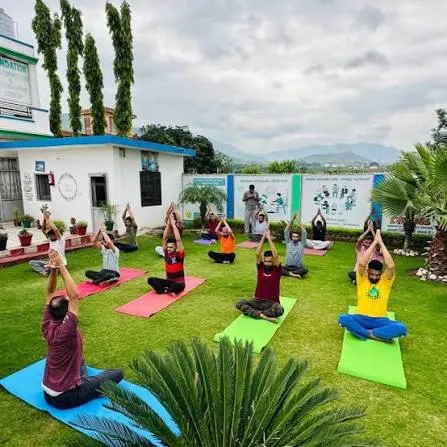
- Structured routines such as yoga, exercise and skill-building that rebuild daily life.
At Paryas Foundation, our approach places the family beside the patient from the first day. We involve relatives in counselling, explain each stage of treatment clearly, and stay connected after discharge.
How Solan's Community Can Help Right Now
You do not have to be a doctor to make a difference.
- Talk without blame. Say "I am worried about you," not "You have disgraced us."
- Learn the warning signs: sudden money problems, missing valuables, changes in friends, drop in grades or work, red eyes, weight loss, and withdrawal from family.
- Encourage early help. Early intervention is easier and less costly than waiting for a crisis.
- Welcome recovering neighbours back. Employment, friendship and respect protect against relapse.
- Support the caregivers. A parent who has been up all night worrying needs someone to listen.
If you or someone you know is struggling with distress or substance use, you can also call Tele-MANAS at 14416, India's free mental health helpline.
Frequently Asked Questions
Is addiction treatable?
Yes. With medical care, counselling and steady support, many people recover and rebuild their lives. Relapse can happen and is treated as part of the journey, not the end of it.
When should we seek help?
As soon as substance use begins to affect health, money, relationships, or safety. There is no need to wait for a "rock bottom."
Can the family stay involved during treatment?
They should. Family participation improves understanding and helps the patient transition back home.
How do we choose a nasha mukti kendra in Solan?
Check for qualified medical and counselling staff, transparent treatment plans, family involvement, and aftercare. Visit in person if you can.
Hope Starts With One Conversation
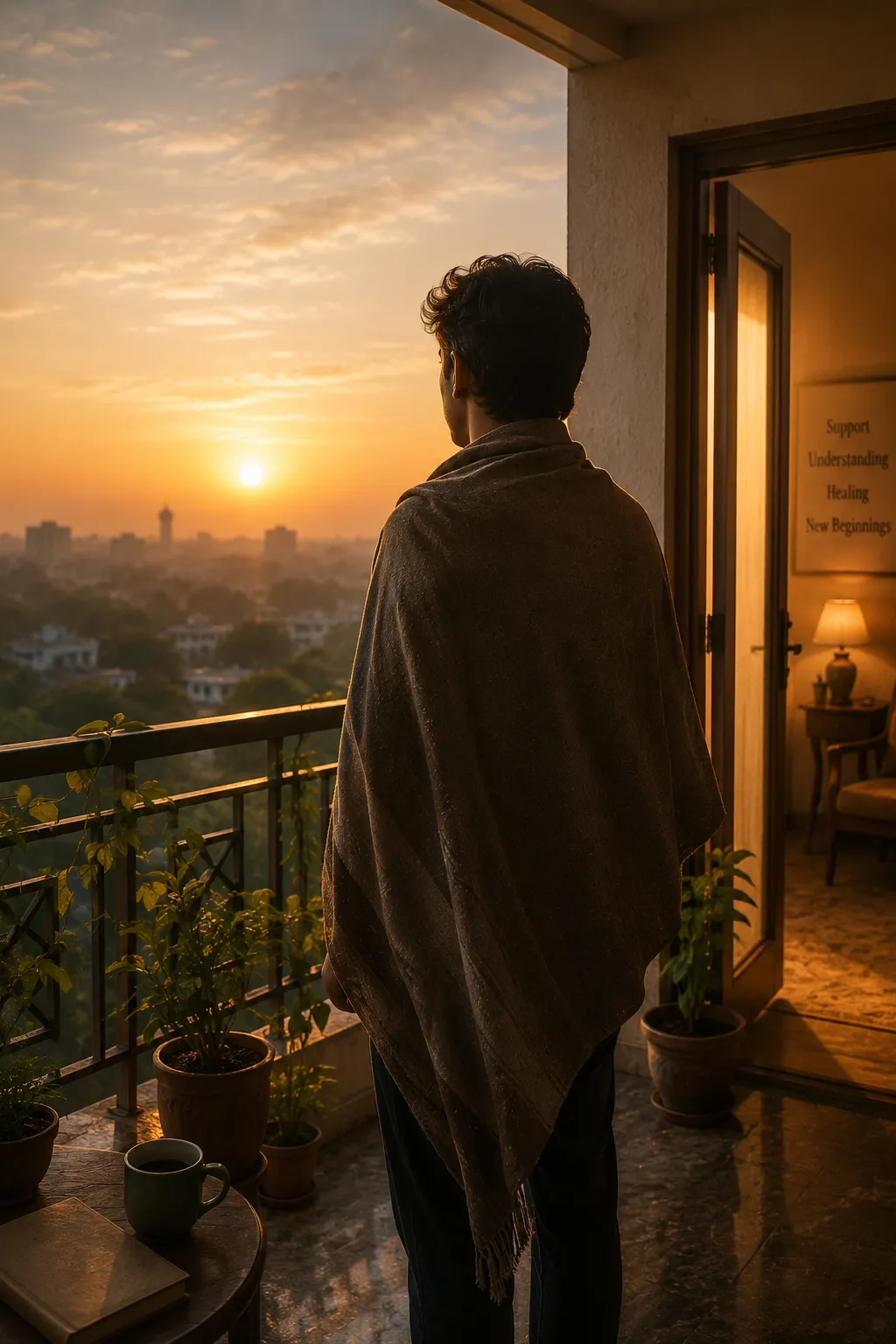
The news from Himachal can feel heavy, but it also shows what is possible. Families are speaking up. The government is investing in treatment. Young people are recovering and returning home. Recovery is not built by one person, one hospital, or one police drive. It is built by parents who keep showing up, neighbours who stop judging, and professionals who treat every patient with dignity.
If someone you love is struggling, you can start with one honest conversation. To learn how a nasha mukti kendra in Solan can support both the patient and the family, contact Paryas Foundation at 9988199333.






















Sign in to leave a comment.