
Introduction
Indoor humidity can have a significant effect on comfort, building materials, and the overall condition of a home. Excess moisture may create condensation, musty odours, peeling finishes, and favourable conditions for mould growth. On the other hand, extremely dry indoor air can also affect comfort and certain natural materials.
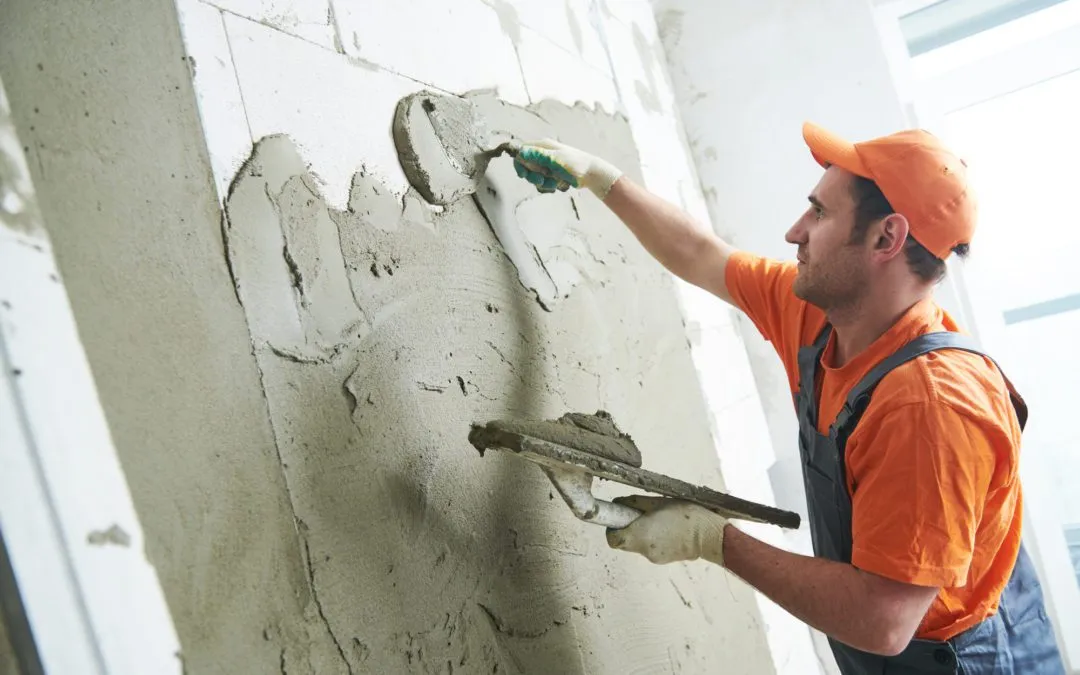
Managing humidity does not always require relying entirely on mechanical systems. Good ventilation, moisture-conscious construction, and breathable wall finishes can all contribute to a more balanced indoor environment. Lime plaster is one natural material that has been used for centuries because of its ability to interact with moisture within walls.
Understanding Indoor Humidity
Humidity refers to the amount of water vapour present in the air. Indoor humidity changes according to weather, ventilation, cooking, bathing, drying clothes, occupancy, and the construction of the building.
When moisture levels remain consistently high, condensation can form on cooler surfaces. Persistent condensation can eventually contribute to damp patches and microbial growth. Homes with inadequate ventilation are particularly susceptible because moisture produced during everyday activities has fewer opportunities to escape.
Managing these sources is the first step toward maintaining a comfortable indoor environment.
What Are Breathable Wall Finishes?
A breathable wall finish allows water vapour to move through the wall rather than creating an impermeable barrier that traps moisture. This characteristic is particularly relevant in buildings where walls naturally exchange moisture with the surrounding environment.
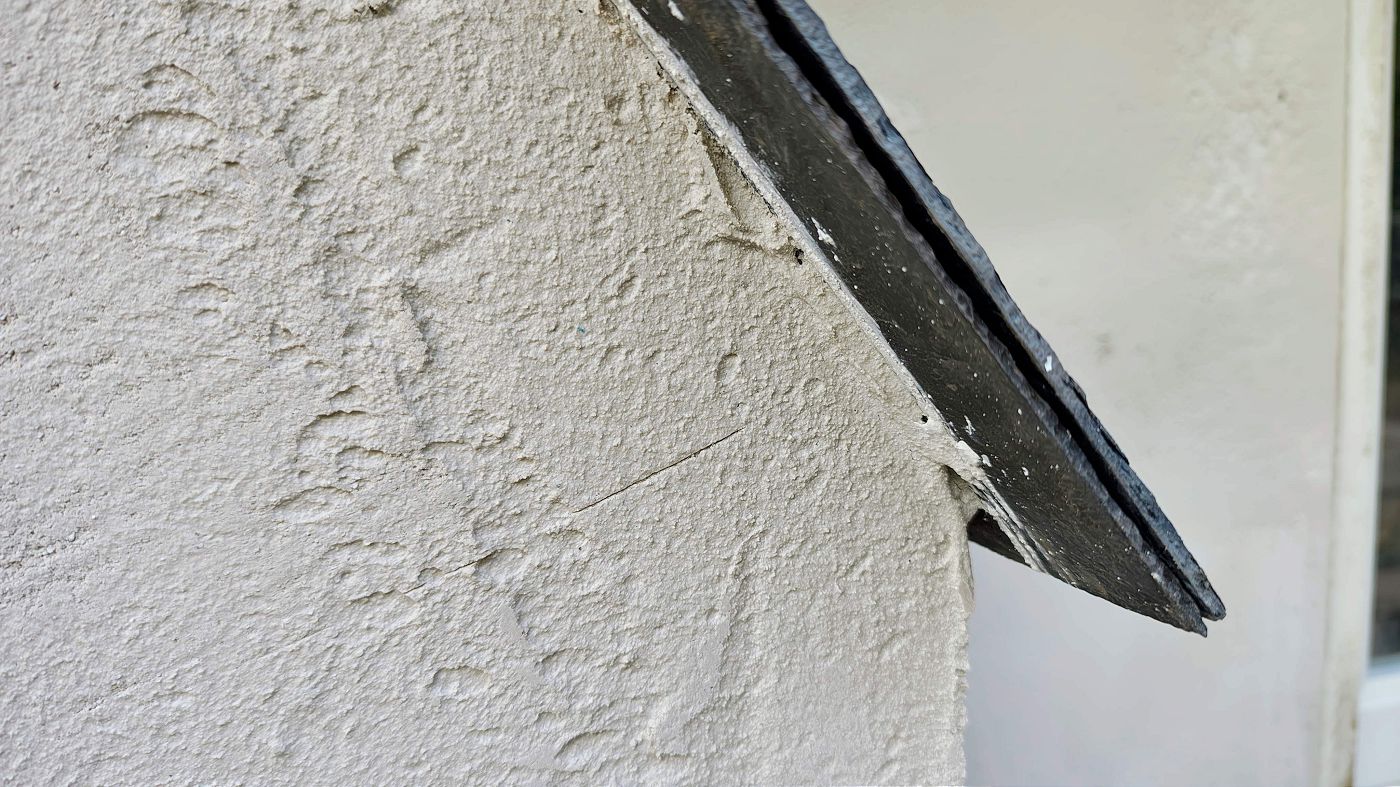
Lime plaster is a well-known example of a breathable mineral-based finish. Its porous structure can absorb some moisture and release it gradually when surrounding conditions become drier.
Breathability does not mean that a wall allows liquid water to pass freely. Instead, it refers primarily to the movement of water vapour through the material. This distinction is important when considering solutions for damp or humid buildings.
How Lime Plaster Helps Manage Moisture
Lime plaster can contribute to passive moisture regulation because of its porous structure. When indoor humidity increases, the material can interact with water vapour near the wall surface. As conditions change, some of that moisture can move back into the surrounding air.
This process can help moderate short-term fluctuations in humidity. However, lime plaster should not be considered a substitute for fixing leaks, rising damp, poor drainage, or plumbing problems. Any significant source of water entering a building should be identified and addressed separately.
Ventilation Is Still Essential
Breathable walls work best as part of a broader approach to indoor moisture management. Ventilation remains one of the most effective ways to remove excess humidity generated by everyday activities.
Bathrooms and kitchens should have adequate ventilation because bathing, cooking, and washing can introduce substantial amounts of water vapour into indoor air. Opening windows when outdoor conditions are suitable can also help exchange humid indoor air with drier outdoor air.
Mechanical ventilation systems can provide additional control in homes where natural ventilation is insufficient.
Supporting Indoor Temperature Comfort
Humidity and temperature are closely connected. Warm air can hold more water vapour, while cooler surfaces can encourage condensation when humid air comes into contact with them.
Natural wall materials can complement broader approaches to thermal comfort. Homeowners interested in understanding how lime plaster can naturally keep your home cool can explore how this traditional material interacts with indoor environmental conditions.
Lime plaster alone cannot replace insulation, shading, ventilation, or efficient cooling systems, but it can form part of a thoughtfully designed building envelope.
Choosing a Suitable Wall Finish
Not every wall finish performs in the same way. Some modern coatings are designed to create highly resistant surfaces, while breathable mineral finishes allow greater movement of water vapour.
When selecting a finish, homeowners should consider the wall substrate, local climate, room function, existing moisture problems, and desired appearance. A decorative finish should not be selected solely for its visual qualities if the wall has underlying moisture concerns.
For design-led projects, understanding the right wall finish for a luxury interior can help balance aesthetics with the functional requirements of the room.
Lime Plaster Compared With Other Materials
Different plaster systems have different properties. Gypsum plaster is widely used for its smooth finish, workability, and suitability for many interior applications. Lime plaster, meanwhile, is valued particularly for breathability and its traditional use in buildings where moisture movement is important.
Homeowners comparing these options can learn more about lime plaster versus gypsum plaster before deciding which material fits their project.
The appropriate choice depends on the building's construction, climate, moisture conditions, and intended finish.
Other Natural Ways to Control Humidity
Wall finishes are only one part of humidity management. Simple household practices can make a considerable difference.
Using exhaust fans during cooking and bathing helps remove moisture at its source. Avoiding prolonged indoor drying of clothes can also reduce water vapour. Maintaining gutters, roofs, plumbing, and drainage systems helps prevent external moisture from entering the building.
Keeping furniture slightly away from consistently cold exterior walls may also improve air circulation around surfaces and reduce the likelihood of condensation.
Conclusion
Managing indoor humidity requires a combination of appropriate building materials, ventilation, maintenance, and everyday habits. Breathable wall finishes such as lime plaster can support this approach by allowing water vapour to move through wall surfaces and helping moderate moisture fluctuations.
However, breathable plaster is not a cure for structural dampness or water leaks. The most effective approach is to identify the source of moisture, maintain adequate ventilation, and select wall materials that suit the building's environmental conditions.
When these principles are considered together, natural wall finishes can contribute to comfortable, durable, and well-balanced indoor spaces.
























Sign in to leave a comment.