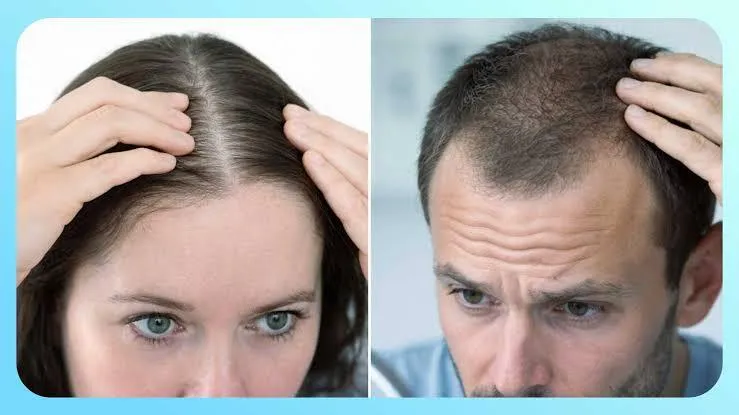

Hair loss is a common concern for both men and women. Losing some hair every day is normal, but excessive shedding, thinning, or noticeable bald patches can be frustrating and may affect confidence. Hair loss can happen for many reasons, including genetics, hormonal changes, stress, poor nutrition, certain medications, and underlying health conditions.
While there is no single natural remedy that can prevent every type of hair loss, healthy lifestyle choices can support normal hair growth and help maintain stronger, healthier hair. Understanding your body’s nutritional hair loss needs and taking good care of your scalp and hair can make an important difference.
1. Eat a Balanced, Nutrient-Rich Diet
Healthy hair begins with adequate nutrition. Hair follicles need protein, vitamins, minerals, and other nutrients to function normally. A diet that lacks important nutrients may contribute to increased shedding.
Include protein-rich foods such as eggs, fish, poultry, beans, lentils, dairy products, nuts, and seeds. Protein is especially important because hair is primarily made of a protein called keratin.
Iron is another important nutrient. Iron-rich foods include lean meat, spinach, lentils, beans, and fortified cereals. People with low iron levels may experience hair shedding, although supplements should generally only be taken when a deficiency has been identified.
Fruits and vegetables also provide vitamins and antioxidants that support overall health. Instead of relying on one particular "hair-growth food, " aim for a varied diet containing plenty of whole foods.
2. Make sure you Get Enough Key Nutrients
Several nutrients play important roles in maintaining normal hair and scalp health. These include iron, zinc, vitamin D, vitamin B12, folate, and protein.
However, more is not necessarily better. Taking high doses of supplements without a confirmed deficiency can sometimes cause problems and, in certain cases, may even contribute to hair loss.
If you are experiencing persistent or significant hair shedding, a healthcare professional can help determine whether a nutritional deficiency or another medical issue could be contributing to the problem. Blood tests may be recommended depending on your symptoms and medical history.
3. Manage Stress
Long periods of physical or emotional stress can affect the normal hair-growth cycle. Some people experience increased shedding several weeks or months after a stressful event, illness, surgery, or major life change.
Stress management cannot guarantee that hair loss will stop, but developing healthy coping strategies may benefit your overall health and well-being.
Try activities such as walking, yoga, meditation, breathing exercises, hobbies, or spending time with friends and family. Getting enough sleep is also important. Most adults should aim for around seven to nine hours of sleep each night.
If stress, anxiety, or low mood is persistent, consider speaking with a qualified healthcare professional.
4. Be Gentle With your Hair
Everyday hair-care habits can contribute to breakage. Although hair breakage is different from hair loss originating at the follicle, excessive damage can make hair look thinner and less healthy.
Avoid pulling or tightly tying your hair for long periods. Tight ponytails, braids, extensions, and other styles that place repeated tension on the hair can damage the hair shaft and, in some cases, contribute to traction alopecia.
Use a gentle shampoo that suits your scalp and avoid aggressive scrubbing. When drying your hair, gently pat it with a towel rather than vigorously rubbing it.
A wide-toothed comb can also help reduce unnecessary pulling, particularly when hair is wet and more vulnerable to breakage.
5. Limit Excessive Heat and Chemical Treatments
Frequent use of hair dryers, straighteners, curling irons, bleaching products, and chemical treatments can weaken the hair shaft.
You do not necessarily have to stop using styling tools completely. Instead, reduce how often you use them and avoid applying very high heat directly to your hair. Using a lower temperature and allowing your hair to air-dry when practical can reduce damage.
If you color or chemically treat your hair, giving your hair sufficient time between treatments can also help minimize damage.
6. Look after Your Scalp
A healthy scalp provides the environment in which hair follicles grow. Keep your scalp clean and pay attention to symptoms such as persistent itching, redness, scaling, pain, or excessive dandruff.
Avoid scratching the scalp aggressively, as this can cause irritation and damage.
There are many claims online about scalp oils and natural ingredients that supposedly stimulate hair growth. Some may make hair feel softer or improve its appearance, but evidence for many popular natural remedies as treatments for hair loss is limited.
If you develop persistent scalp problems, it is better to seek medical advice rather than relying solely on home remedies.
7. Avoid Crash Diets
Rapid weight loss and restrictive diets can place stress on the body and may result in increased hair shedding. Hair growth is not an essential function for survival, so when the body is lacking calories or nutrients, hair production can be affected.
If you are trying to lose weight, focus on gradual, sustainable changes. Include adequate protein, vegetables, fruits, whole grains, and healthy sources of fats while avoiding unnecessarily restrictive eating patterns.
If you follow a vegetarian, vegan, or highly restrictive diet, paying particular attention to nutrients such as protein, iron, zinc, and vitamin B12 may be important.
8. Protect Your hair From the Environment
Sun exposure, chlorine, salt water, and pollution can contribute to hair dryness and damage. Protecting your hair can help maintain its strength and appearance.
When spending a long time in strong sunlight, consider wearing a hat or other suitable covering. After swimming, rinse your hair with clean water and use a suitable conditioner if needed.
These measures will not necessarily prevent follicle-related hair loss, but they can reduce environmental damage and breakage.
9. Avoid Smoking and Limit Excessive Alcohol
Smoking can negatively affect overall health and blood circulation and may be associated with several conditions that can affect skin and hair health. Quitting smoking is beneficial for many aspects of health.
Excessive alcohol consumption can also interfere with nutrition and general well-being. Keeping alcohol consumption within recommended limits, or avoiding it altogether, is a healthier approach.
10. Know When to seek Professional help
Natural approaches can support general hair and scalp health, but they cannot treat every cause of hair loss. Genetics, hormonal conditions, autoimmune diseases, thyroid problems, certain medications, infections, and other medical conditions can all cause hair loss.
See a healthcare professional or dermatologist if your hair loss is sudden, severe, persistent, associated with bald patches, or accompanied by scalp pain, inflammation, or other unusual symptoms.
Early evaluation can be particularly useful because some causes of hair loss respond better to treatment when addressed promptly.
Conclusion
Supporting healthy hair growth is largely about taking care of your overall health. Eating a balanced diet, getting adequate nutrients, managing stress, sleeping well, protecting your scalp, and avoiding excessive hair treatments can all contribute to healthier-looking hair.
However, natural methods should not be viewed as a guaranteed cure for hair loss. If you are experiencing significant or ongoing shedding, identifying the underlying cause is the most important step. A healthcare professional can help determine whether your hair loss is related to nutrition, lifestyle, genetics, hormones, medication, or another condition and recommend appropriate treatment.
Healthy hair is part of a healthy body, so focus on sustainable habits rather than quick fixes or unproven miracle remedies.



























Sign in to leave a comment.