

Every successful engineering project—from manufacturing to construction and automotive design—relies on dependable sealing solutions. In environments where exposure to weather, temperature fluctuations, chemicals, or abrasion is the norm, the quality and material of the seal can make all the difference between guaranteed performance and costly downtime. Among the various materials and technologies available, neoprene extrusions have emerged as one of the most trusted and versatile solutions for sealing needs worldwide.

But why are neoprene extrusions consistently recommended by industry experts and procurement specialists alike? At Qingdao Seashore Industrial Co., Ltd., we have decades of hands-on experience supporting multinational clients in deploying high-performance extruded neoprene profiles across a wide range of applications. Time and again, we have seen our neoprene extrusions serve as the backbone of durable, flexible, and efficient sealing systems.
Understanding Neoprene Extrusions
What Is Neoprene?
Neoprene is the commercial name for polychloroprene, a synthetic rubber first developed by DuPont in the 1930s. Unlike many other elastomers, neoprene combines exceptional resistance to oils, solvents, ozone, sunlight, and weather with remarkable mechanical strength and resilience. Thus, the material quickly gained favor across industrial and consumer applications.
What Are Neoprene Extrusions?
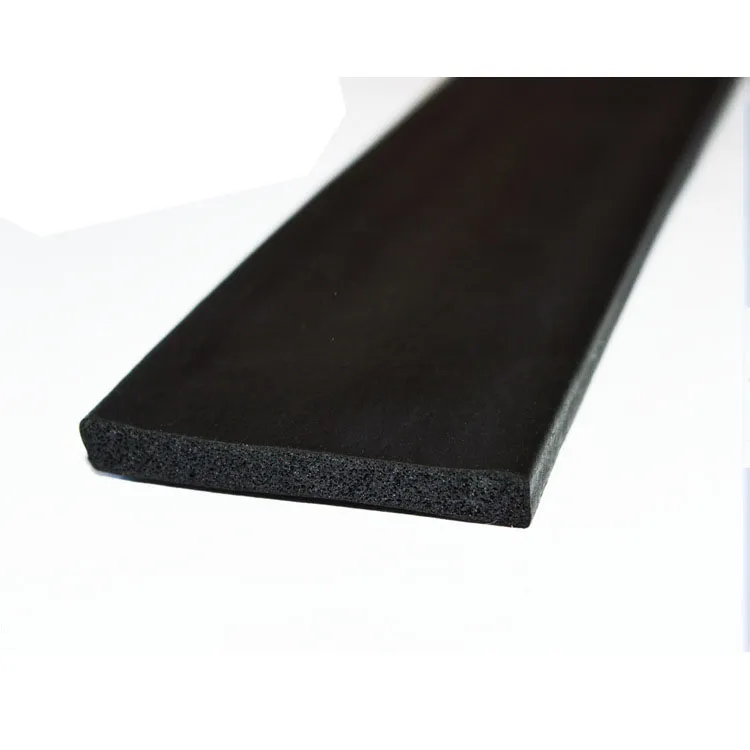
Neoprene extrusions are profiles, cords, gaskets, or seals fabricated by forcing molten or softened neoprene rubber through a custom-designed die or mold. The extrusion process allows for continuous production of long sections in a variety of cross-sectional shapes, from simple round cords to complex multi-chambered designs. Once extruded and cured, the neoprene profiles can be cut, joined, or further processed to fit exact project requirements.
Properties That Set Neoprene Extrusions Apart
1. Outstanding Weather and UV Resistance
Neoprene extrusions do not degrade in sunlight, rain, or fluctuating outdoor temperatures, making them perfect for exterior use, architectural glazing, and automotive weatherstrips.
2. Excellent Chemical Stability
They withstand oils, greases, mild acids, bases, and a variety of solvents better than many other rubber materials. This chemical stability is essential for sealing in industrial, marine, and transportation environments.
3. Flexible Temperature Range
Neoprene extrusions remain flexible and functional from approximately -40°C to +120°C, covering most climates and operational scenarios.
4. Superior Mechanical Strength
Neoprene resists abrasion, tearing, and flex fatigue, ensuring seals maintain their integrity—even when subjected to movement, vibration, or high-pressure contact.
5. Flame Retardancy
Neoprene’s naturally self-extinguishing properties are a sought-after safety feature for electrical enclosures, public transport, and building applications.
6. Compression Set Resistance
These extrusions rebound reliably after deformation, which is particularly important for seals and gaskets that undergo frequent opening, closing, or long-term compression.
7. Versatile Durometer Range
Neoprene extrusions are available in a broad spectrum of hardness (Shore A 35–90), making it easy to fine-tune properties for cushioning, sealing, or structural support.
Common Types of Neoprene Extrusions
- Solid cords and profiles: For static seals, spacers, and bumpers.
- Hollow (tubular) extrusions: For lightweight and additional flexibility.
- P-, D-, E-, and U-shapes: Common in door, window, and enclosure sealing.
- Custom gaskets and strips: Tailored for nonstandard geometries or performance demands.
- Sponge (foam) extrusions: Lower density, compressible sealing, especially for irregular gaps and dynamic movements.
How Are Neoprene Extrusions Made?

1. Compounding
The process begins with careful mixing of raw neoprene with curing agents, stabilizers, fillers, and color pigments. This allows for customization based on heat resistance, chemical exposure, or required flexibility.
2. Extrusion
The compound is fed into an extruder, heated, and pushed through a die, shaping the material by its cross-sectional design.
3. Curing (Vulcanization)
The extruded profile is typically cured in a hot air oven, salt bath, or via microwave/infrared processes. Vulcanization locks in the final properties—strength, elasticity, and chemical resistance.
4. Cutting and Fabrication
Profiles are precision-cut to length, and—if needed—spliced, joined, or shaped into gaskets, rings, or frames. Adhesives or mechanical fasteners may be applied when required.
5. Inspection and Quality Control
Dimensional accuracy, surface finish, density, and mechanical properties are all checked to rigorous quality standards, including ISO and ASTM certifications.
Why Choose Neoprene Extrusions for Your Sealing Needs?
With so many elastomeric options available, why do engineers and buyers repeatedly turn to neoprene extrusions? Let's break down the most compelling advantages.
Weather and Aging Resistance
Whether sealing a skyscraper's windows or the exterior of a ship, neoprene extrusions reliably withstand exposure for years, staying flexible and strong.
Chemical and Oil Resistance
Seals in automotive, machinery, and chemical processing plants must repel petroleum-based fluids and industrial chemicals—neoprene excels where natural rubber and many synthetics fail.
Thermal Protection
From freezing cold to sweltering heat, neoprene extrusions retain their seal integrity, supporting energy efficiency and preventing leaks.
Flame Retardancy
For environments where fire safety is critical—train doors, underground cable entries, electrical cabinets—neoprene’s ability to self-extinguish is a major benefit.
Mechanical Durability
Extruded neoprene is tough against abrasion, stretching, and impact, making it suitable for moving parts, doors, or equipment subjected to vibration.
Customizability
By working with an expert supplier like Qingdao Seashore Industrial Co., Ltd., you can customize every property: shape, hardness, color, length, and even surface treatments like adhesive backing or fabric reinforcement.
Neoprene Extrusions in Action: Key Applications
1. Construction and Building
- Window and Door Seals: Neoprene extrusions keep out water, dust, drafts, and insects, supporting both energy efficiency and durability for window and door assemblies.
- Curtain Wall Gaskets: Office towers, malls, and airports depend on neoprene seals to prevent weather ingress and handle building movement or thermal expansion.
- Expansion Joint Seals: They allow for movement between concrete slabs or structural sections while preventing leaks and damage.
2. Automotive and Rail Industry
- Weatherstripping: Prevents wind, rain, and road noise from entering vehicle cabins.
- Engine Compartment Seals: Insulate and shield critical components from oil, grease, and heat.
- Vibration Damping Strips: Absorb shock, minimize rattle, and reduce vehicle wear.
3. Marine Industry
- Hatch and Door Seals: Resist seawater, sunlight, and temperature swings.
- Cable Entry Grommets: Prevent water ingress where power or data cables penetrate bulkheads.
4. Electrical and Electronics
- Cable Protectors: Shield conductors from abrasion and moisture.
- Enclosure Gaskets: Ensure IP-rated dust and water protection for sensitive equipment.
Also Read: Why Neoprene Extrusions Are the Go-To Solution for Weatherproof Sealing!
5. HVAC and Industrial Equipment
- Sealing Ductwork: Maintain airflow and energy efficiency in heating/cooling systems.
- Machinery Mounts: Isolate vibration and absorb impact in heavy equipment.
6. Food and Beverage Industry
- Equipment Seals: FDA-grade neoprene extrusions are used in certain applications requiring resistance to oils and mild cleaning chemicals.
The Role of a Trusted Supplier: Qingdao Seashore Industrial Co., Ltd.

When it comes to neoprene extrusions, choosing the right manufacturing partner is essential. Qingdao Seashore Industrial Co., Ltd. offers:
- Technical Expertise: Decades of material science and engineering knowledge ensure you get the correct profile, durometer, and density for your specific application.
- Strict Quality Control: ISO 9001:2015 compliance and traceable testing guarantee every batch meets or exceeds global standards.
- Customization: From prototypes to bulk production, get the exact extrusion—size, shape, color, and finish—you require.
- Responsive Support: Both small-quantity, specialty orders and high-volume, ongoing supply are serviced with rapid turnaround and professional communication.
- Global Logistics: Efficient international shipping and logistics enable on-time project delivery anywhere in the world.
Making the Right Choice: How to Specify Neoprene Extrusions
To maximize the benefits, consider the following before placing your order:
- Profile/Shape: What is your ideal cross-section? Standard or custom?
- Solid vs. Sponge: Do you need mechanical strength or compressibility?
- Hardness/ Durometer: Is a firm or soft seal more appropriate?
- Environment: Will the extrusion encounter oil, sunlight, ozone, chemicals, or extreme temperatures?
- Flame Retardancy: Is self-extinguishing performance a requirement?
- Certifications: FDA, REACH, RoHS, or other regulatory standards?
- Additional Features: Pre-applied adhesives, color coding, or surface treatments.
Engage Qingdao Seashore Industrial Co., Ltd.’s expert team to review drawings, test samples, and ensure the ideal neoprene extrusion for your needs.
The growing complexity and performance demands of modern industries require sealing solutions that can do more—providing lasting protection against weather, chemicals, and mechanical stress, all while remaining cost-effective and adaptable. Neoprene extrusions have proven their worth as the go-to solution for sealing needs, delivering unmatched versatility, durability, and value.
Frequently Asked Questions (FAQ)
Q1: What’s the difference between solid and sponge neoprene extrusions?
A1: Solid extrusions offer maximum strength and durability, while sponge (foam) extrusions provide greater compression, insulation, and softness for irregular or delicate surfaces.
Q2: Can neoprene extrusions be used outdoors?
A2: Yes, their resistance to UV, ozone, and weathering makes them one of the best choices for exterior seals.
Q3: Are neoprene extrusions safe for food and beverage use?
A3: Certain grades of neoprene are manufactured to meet FDA and EU food contact standards. Be sure to specify this requirement when ordering.
Q4: What is the typical temperature resistance of neoprene extrusions?
A4: -40°C to +120°C is standard, but specialized compounds can extend this range.
Q5: Can you customize the shape, color, or durometer of neoprene extrusions?
A5: Absolutely. Qingdao Seashore Industrial Co., Ltd. provides fully customized solutions to meet performance, appearance, or installation needs.
Q6: How long do neoprene extrusions last in harsh environments?
A6: When properly specified, neoprene extrusions can last for many years—even decades—without significant loss of performance.
Q7: What are the typical lead times for custom neoprene extrusions?
A7: Prototyping can be completed in 1–2 weeks, while production runs vary based on complexity and volume, commonly 2–4 weeks.
Q8: Are there alternatives to neoprene extrusions if I need higher chemical or temperature resistance?
A8: Yes. Silicone, EPDM, or FKM (Viton®) may be better for certain chemicals or higher heat. Consult our technical team for recommendations.
Q9: Can neoprene extrusions be bonded or joined into rings or frames?
A9: Yes, they can be vulcanized, glued, or cold-bonded into endless gaskets or complex shapes.
Q10: How do I order neoprene extrusions from Qingdao Seashore Industrial Co., Ltd.?
A10: Contact our sales or technical support team with your blueprints, material and performance requirements, and we’ll guide you through sampling, prototyping, and production.



















Sign in to leave a comment.