
If you have searched for non-surgical, nerve-focused pain treatments, you have likely seen the terms neural therapy, neural injection therapy, and perineural injections used almost interchangeably. There are good reasons for the confusion:
- The names sound alike, and both contain the word "neural" or "nerve."
- Both involve small-volume injections given at multiple points on the body.
- Both are considered complementary or integrative approaches, often offered by the same clinics.
- Some practitioners are trained in both and may combine them.
- "Neural injection therapy" is used loosely online and can refer to either approach, or to unrelated procedures such as epidural or nerve-block injections.
Understanding the differences matters because the solution injected, the target tissue, the theory behind it, and the training required are not the same.
What Is Neural Therapy?
Neural therapy is an injection-based treatment that originated in Germany in the 1920s. It was developed by the physician brothers Ferdinand and Walter Huneke, who reported that an injection of procaine given for one problem unexpectedly resolved a long-standing pain elsewhere in the body. This observation became the foundation of what is sometimes called Huneke therapy or therapeutic local anesthesia.
The core idea: interference fields
Neural therapy practitioners work with the concept of interference fields (also called Störfelder). These are areas of chronically irritated tissue, such as scars, healed injuries, dental sites, or inflamed organs, that are believed to disrupt normal nerve signaling and autonomic regulation. According to this theory, an interference field can contribute to symptoms in distant parts of the body.
It is important to note that the interference field concept is a clinical theory rather than a widely accepted, scientifically established mechanism.
What solution is used?
Neural therapy generally uses a local anesthetic, most commonly:
- Procaine (the traditional choice)
- Lidocaine
The anesthetic is typically diluted to a low concentration.
Where are the injections placed?
Depending on the practitioner and the patient's history, injections may be given:
- Into or around scars (surgical, trauma, or other)
- Into trigger points and painful muscle areas
- Near peripheral nerves
- Around autonomic ganglia, such as the stellate ganglion
- Into acupuncture points or other regional sites
- In some practices, into dental or tonsil areas
The two main approaches
- Local (segmental) neural therapy: injections at the site of pain or related tissue.
- Regional or "remote" neural therapy: injections at sites distant from the symptoms, based on the interference field concept.
Conditions commonly associated with neural therapy
Practitioners use neural therapy for a wide range of complaints, including chronic pain, headaches, scar-related pain, joint and muscle pain, and certain functional or autonomic symptoms. The scope is broad, and the strength of evidence varies by condition.
What Is Perineural Injection Therapy (PIT)?
Perineural injection therapy (PIT), sometimes called neural prolotherapy or subcutaneous prolotherapy, was developed and popularized by New Zealand physician Dr. John Lyftogt beginning in the 1990s. It focuses on one specific cause of pain: neurogenic inflammation in superficial nerves.
The core idea: calming irritated nerves
Nerves that run through tight spaces or become irritated can release inflammatory chemicals (such as substance P and CGRP) from their own endings. This is called neurogenic inflammation. It can lead to swelling, tenderness, and persistent pain, and it may cause a nerve to become hypersensitive.
PIT aims to quiet this process by placing a small amount of dextrose solution right next to the affected nerve.
What solution is used?
PIT uses 5% dextrose (a simple sugar solution, similar to what is used in IV fluids), usually in very small volumes. It is not an anesthetic, steroid, or opioid. Dextrose is thought to act on nerve-surface receptors, including the TRPV1 receptor, which plays a role in pain signaling. This mechanism is an area of ongoing research.
Where are the injections placed?
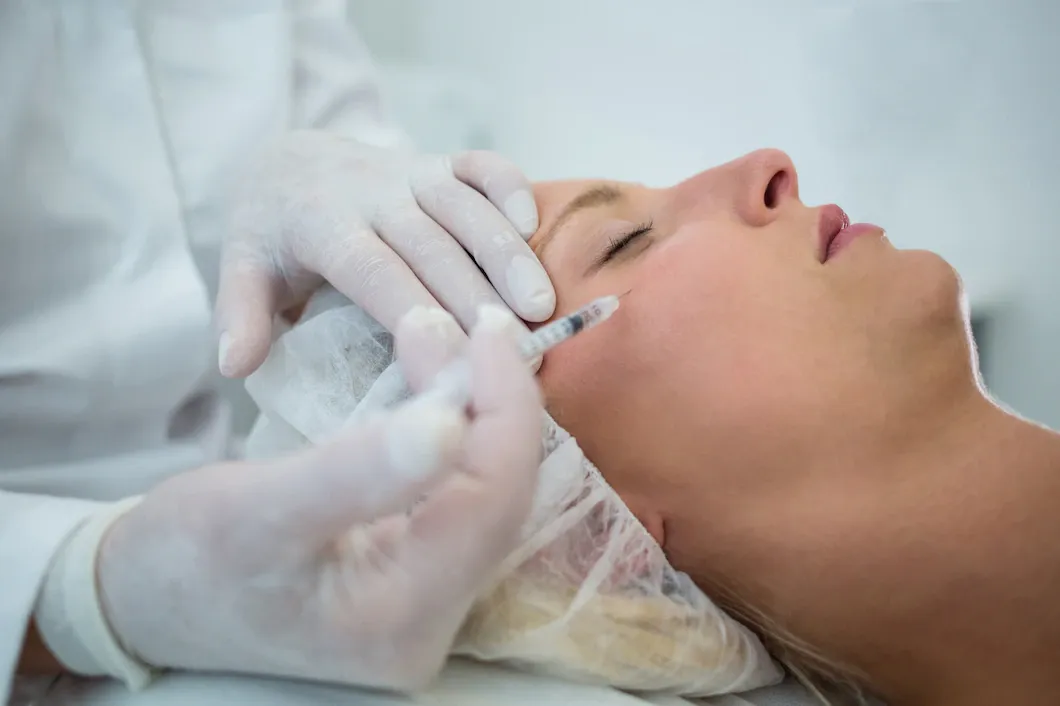
PIT injections are given just under the skin (subcutaneously) along the course of superficial nerves, often using very fine needles. Many practitioners use a systematic approach: they identify tender nerve areas by touch, then inject along the nerve pathway. Some also use ultrasound guidance for deeper nerves.
Conditions commonly associated with PIT
PIT is most often discussed for:
- Chronic musculoskeletal pain (neck, back, shoulder, knee, foot)
- Tendon-related pain such as tennis elbow or plantar fasciitis
- Nerve entrapment symptoms, including carpal tunnel-type complaints
- Certain headaches
- Neuropathic or nerve-related pain patterns
Neural Therapy vs. Perineural Injection Therapy: Side-by-Side Comparison
| Feature | Neural Therapy | Perineural Injection Therapy (PIT) |
|---|---|---|
| Origin | Germany, 1920s (Huneke brothers) | New Zealand, 1990s (Dr. John Lyftogt) |
| Primary solution | Local anesthetic (procaine or lidocaine) | 5% dextrose in water |
| Main theory | Interference fields and autonomic nervous system regulation | Neurogenic inflammation in superficial nerves |
| Injection targets | Scars, trigger points, nerves, ganglia, acupuncture points, remote sites | Subcutaneous tissue along superficial nerve pathways |
| Injection depth | Varies: skin to deep tissue and ganglia | Mostly just under the skin |
| Approach to the body | Whole-body, history-driven | Nerve-mapping, symptom- and palpation-driven |
| Immediate numbing effect | Often yes, due to anesthetic | Usually minimal |
| Typical session pattern | Varies widely | Repeated sessions, often weekly or every few weeks initially |
| Common uses | Chronic pain, scars, headaches, functional complaints | Musculoskeletal and nerve-related pain |
Key Differences Explained
1. The injected solution
This is the clearest difference. Neural therapy uses anesthetic; PIT uses dextrose. An anesthetic temporarily blocks nerve signaling, while dextrose is not used for numbing and is thought to influence nerve inflammation and pain receptors.
2. The underlying theory
Neural therapy is built around interference fields and autonomic regulation, a whole-body model. PIT is built around neurogenic inflammation, a more localized, nerve-specific model.
3. Injection location and depth
Neural therapy may involve injecting into scars, trigger points, or ganglia, sometimes far from where symptoms appear. PIT concentrates on superficial nerves with shallow subcutaneous injections along the nerve path.
4. Treatment philosophy
Neural therapy practitioners often take an extensive medical history looking for past scars, surgeries, infections, or dental work. PIT practitioners focus on mapping tender nerve zones and treating them systematically.
5. Training and standards
Neural therapy training is more established in parts of Europe and Latin America, with national societies in countries such as Germany, Switzerland, Austria, and Colombia. PIT training is generally taught through workshops and courses, often through prolotherapy or regenerative medicine organizations. Standards and certification differ by country and organization.
What Neural Therapy and Perineural Injection Therapy Have in Common
Despite their differences, the two approaches overlap in several ways:
- Nerve-centered thinking: both view the nervous system as central to chronic pain.
- Small-volume injections: both use minimal volumes with fine needles.
- Low-risk profile when performed properly: neither involves surgery, and both avoid long-term medication use.
- Repeated sessions: both typically require a series of treatments.
- Integrative setting: both are often offered in integrative, functional, naturopathic, osteopathic, or pain clinics.
- Combination use: some practitioners use both, depending on the patient.
What Does the Evidence Say?
An honest, balanced look at the research is essential for any health decision.
Perineural injection therapy
Research on dextrose perineural injections is growing but still limited. Some small randomized trials and clinical studies, including work on conditions such as carpal tunnel syndrome and knee osteoarthritis pain, have reported pain and function improvements with perineural dextrose injections. However, studies tend to be small, and more high-quality, large-scale trials are needed. The proposed mechanism involving TRPV1 and neurogenic inflammation also continues to be investigated.
Neural therapy
Neural therapy has a long clinical history, especially in Europe, and there are case series, observational studies, and some controlled trials reporting benefits. However, the overall quality of evidence is limited, and the interference field concept lacks strong scientific confirmation. Some studies suggest that part of the benefit may come from the effects of local anesthetic injection itself, similar to trigger point injections.
The bottom line
Both approaches are considered complementary or emerging treatments. They may help some people, but results vary, and neither should be presented as a guaranteed cure. If you have a serious or worsening condition, speak with a physician to rule out underlying causes first.
Safety, Side Effects, and Who Should Be Cautious
Both therapies are generally considered low-risk when performed by trained practitioners, but no injection is risk-free.
Common, usually mild effects
- Temporary soreness, redness, or bruising at injection sites
- Mild swelling
- Brief flare of pain after a session (more commonly discussed with PIT)
Less common risks
- Infection at the injection site
- Allergic reaction (including to local anesthetics in neural therapy)
- Nerve irritation or, rarely, injury
- Light-headedness or vasovagal reactions
Who should be especially cautious
- People with allergies to anesthetics (relevant to neural therapy)
- People with bleeding disorders or those taking blood thinners
- Those with active infections near the injection site
- People who are pregnant or breastfeeding
- People with diabetes, who should discuss dextrose use with their provider, even though PIT uses very small amounts
Always share your complete medical history, medications, and allergies with your provider.
How to Choose Between Neural Therapy and Perineural Injection Therapy
There is no universal answer. Consider these questions:
- Is your pain localized to specific tender nerve areas? PIT may be a reasonable option to discuss.
- Do you have scar-related pain or unexplained symptoms that seem connected to past surgeries or injuries? Neural therapy practitioners often evaluate for this.
- Do you have an anesthetic allergy? This may point away from neural therapy.
- Does your provider have documented training in the specific technique? This matters more than the name on the brochure.
- Have you had a proper medical diagnosis? Both therapies work best as part of a broader care plan, not as a replacement for a diagnosis.
A good practitioner will explain which approach fits your situation and be open about the limits of the evidence.
How to Find Qualified Neural Therapy Providers and PIT Practitioners
Searching for neural therapy providers or perineural injection practitioners can be confusing because training standards vary. Here is how to evaluate your options.
What to look for
- A valid medical license. The practitioner should be a licensed physician, osteopath, naturopathic doctor, nurse practitioner, or other professional legally allowed to perform injections in your region.
- Specific training in the technique. Ask where and when they trained in neural therapy or perineural injections.
- Professional affiliations. Look for membership in recognized neural therapy societies or prolotherapy and regenerative medicine organizations.
- Clear communication. They should explain risks, expected results, number of sessions, and costs.
- Realistic claims. Be cautious of anyone promising permanent cures or guaranteed results.
Questions to ask before booking
- What solution do you use, and why?
- How many patients have you treated with this method?
- How many sessions might I need?
- What are the possible side effects?
- What will this cost, and is it covered by insurance?
Practitioner education
If you are a clinician interested in learning these methods, look for structured courses that cover anatomy, injection technique, safety, and patient selection. You can explore educational resources on neural therapy and PIT at Learn Neural Therapy.
Frequently Asked Questions
Are neural therapy and perineural injection therapy the same thing?
No. Neural therapy typically uses local anesthetics like procaine or lidocaine and is based on the interference field concept. Perineural injection therapy uses 5% dextrose injected under the skin along superficial nerves and is based on the idea of neurogenic inflammation.
What is neural injection therapy?
"Neural injection therapy" is a general term that people use to describe nerve-focused injection treatments. It can refer to neural therapy, perineural injection therapy, or sometimes other nerve-related injections. Always ask a provider exactly what solution and technique they use.
What are perineural injections?
Perineural injections are injections placed near or around a nerve. In the context of perineural injection therapy, they refer to shallow, subcutaneous injections of 5% dextrose along a nerve's pathway to help calm nerve-related inflammation and pain.
Which is better: neural therapy or PIT?
Neither is universally better. The right choice depends on your condition, medical history, and provider expertise. Some practitioners offer both and tailor treatment to the individual.
Does perineural injection therapy hurt?
Most people describe mild discomfort or a stinging sensation, since fine needles are used just under the skin. Some experience temporary soreness afterward.
How many sessions are needed?
It varies. Many practitioners recommend a series of sessions, often spaced one to several weeks apart, then reassess based on response. Your provider can give you a personalized estimate.
Is perineural injection therapy the same as prolotherapy?
They are related. PIT is sometimes called neural prolotherapy or subcutaneous prolotherapy because it uses dextrose, but it targets nerves in superficial tissue rather than injecting deeper into ligaments and joints as traditional prolotherapy does.
Are these treatments covered by insurance?
Coverage varies widely and is often limited, since both are considered complementary or emerging approaches. Check with your insurer and ask the clinic about pricing before treatment.
Are neural therapy and PIT safe?
When performed by trained, licensed practitioners using sterile technique, both are generally considered low-risk, with mostly mild and temporary side effects. Discuss your health history and any allergies beforehand.
Final Thoughts
So, are neural therapy and perineural injection therapy the same? No. They share a nerve-focused outlook and a minimally invasive approach, but they differ in origin, injection solution, theory, and technique.
- Neural therapy: local anesthetic, interference fields, and whole-body autonomic regulation.
- Perineural injection therapy (PIT): 5% dextrose, superficial nerve targets, and neurogenic inflammation.
If you are considering either option, the most important steps are to get a proper diagnosis, choose a well-trained and licensed provider, and set realistic expectations. Used thoughtfully, both approaches can be part of a broader, patient-centered plan for managing chronic pain.
Ready to learn more? Explore in-depth courses and educational resources on neural therapy and perineural injection therapy at LearnNeuralTherapy.com.






















Sign in to leave a comment.