

Choosing between a new-build home and an older property is an important decision when buying a house. Both options offer different advantages, from modern layouts and energy efficiency to established neighbourhoods and traditional character. The right choice depends on your budget, lifestyle, maintenance expectations and plans for the future.
Berkshire offers a variety of homes, including newly built developments and older properties in established towns and villages. Understanding the differences can help you decide which type of home best suits your needs.
1. Understand the Difference Between New-Build and Older Properties
A new-build property is a newly constructed home that has not previously been occupied. These homes often feature modern layouts, contemporary fittings and building standards designed to improve energy efficiency.
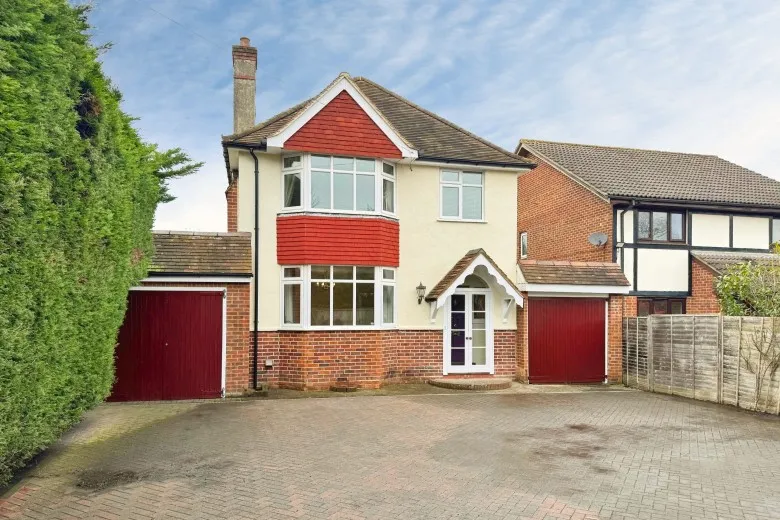
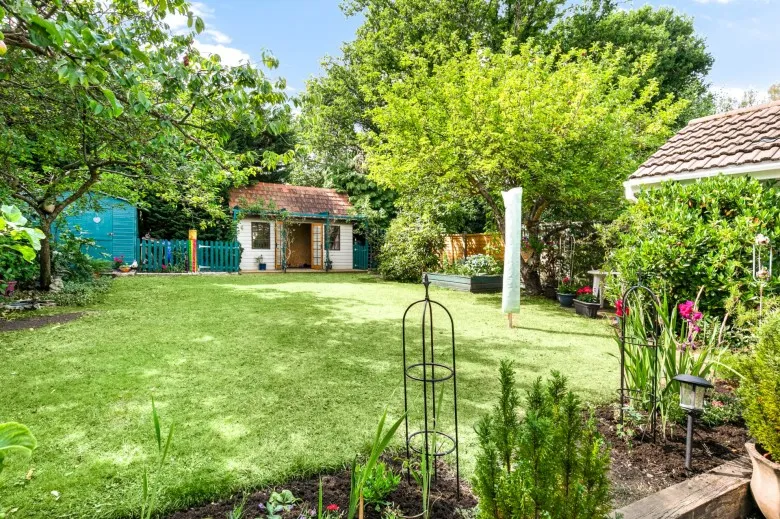
Older properties can range from Victorian and Edwardian houses to homes built in more recent decades. They may offer established gardens, distinctive architectural features and locations within long-standing residential neighbourhoods.
However, age alone does not determine a property's quality. A well-maintained older home may be in excellent condition, while a new-build property can still have defects that need attention. Always assess the individual property rather than relying solely on its age.
2. Compare Layouts and Living Space
New-build homes often feature open-plan kitchens, modern bathrooms and layouts designed around contemporary living. Some include dedicated storage, utility rooms or spaces suitable for working from home.
Older properties may have separate reception rooms, larger hallways or distinctive architectural details. Depending on the house, these features can offer flexibility for families who prefer separate spaces for cooking, relaxing and working.
When viewing either type, consider how the rooms will work for your household. Check bedroom sizes, storage, natural light and furniture placement. If you need a home office or additional space for children, think about whether the layout can accommodate those requirements.
3. Check Energy Efficiency and Running Costs
Energy efficiency can affect your comfort and household expenses. New-build homes are generally constructed to meet the building regulations applicable at the time of construction, which include energy performance requirements.
Older properties can vary considerably in their insulation, glazing and heating systems. Some have been upgraded with modern boilers, improved insulation and double-glazed windows, while others may need further improvements.
Before buying, review the property's Energy Performance Certificate (EPC). Ask about insulation, heating controls, ventilation and the age of major equipment.
Remember that a newer property is not automatically cheaper to run in every circumstance. Actual energy use depends on the home's size, construction, heating system and how the occupants use it.
4. Consider Maintenance and Repairs
One attraction of a new-build home is that its major components are new. Depending on the property, this may mean fewer immediate maintenance requirements. Many new homes also come with a structural warranty, although coverage, exclusions and claim procedures vary.
Older properties may require repairs to roofs, windows, plumbing, electrical systems or other building components. However, a home that has been regularly maintained may need relatively little work.
Arrange an appropriate survey before committing to either option. For a new-build, create a list of visible defects and ask the developer about the process for reporting and resolving them. For an older property, ask your surveyor to identify potential repairs and explain which issues require further investigation.
5. Compare Locations and Surrounding Amenities
Location should play a major role in your decision. New-build homes may be part of developments on the edges of established towns or within growing residential communities. Facilities and transport connections can vary, particularly where an area is still developing.
Older homes may be situated in established neighbourhoods with existing shops, schools, parks and public transport. However, this depends on the individual location, and some older properties may also be in areas with limited amenities.
When exploring Berkshire, compare the actual surroundings of each property. Consider Bracknell, Wokingham, Crowthorne and nearby communities according to your commuting needs and lifestyle.
Visit the area at different times of day, check local transport services and investigate school admissions arrangements if relevant. If a development is still being built, ask which facilities are already available and which are only planned.
6. Understand Warranties, Tenure and Property Charges
New-build buyers should ask what warranty is provided, what it covers and how to report defects. Check the warranty documentation carefully rather than assuming every repair will be covered.
For older homes, review available records of repairs, alterations and improvements. Your solicitor can investigate relevant planning permissions, building regulations documentation and other legal matters.
For both property types, confirm whether the home is freehold or leasehold. If it is leasehold, understand the lease length, service charges, ground rent where applicable and any restrictions on the property. Some new-build houses and older properties may have estate management charges, so check the specific arrangements before proceeding.
7. Look Beyond the Initial Purchase
Your decision should account for the longer-term costs and responsibilities of owning the home.
For a new-build, consider the property's layout, available outdoor space, parking arrangements and any charges associated with the development. Ask about the construction of nearby phases if further building work could affect your surroundings.
For an older home, consider potential renovation costs, the condition of existing features and whether you plan to make changes. If you want to extend the property, investigate relevant planning restrictions before assuming the work will be possible.
Think about your future requirements as well. A flexible layout, convenient location and manageable maintenance responsibilities may be more important over time than decorative features alone.
Choose a Home That Suits Your Needs
There is no single answer to whether a new-build or older property is right for every buyer. New homes may appeal to people seeking modern layouts and fewer immediate maintenance tasks, while older properties may suit buyers who value established surroundings and traditional features.
The most useful approach is to compare individual homes based on their condition, location, running costs and suitability for your lifestyle.
Explore the properties for sale in Berkshire with Sears Property to discover available homes and compare your options. Taking time to research the property and its surroundings can help you make a more confident and informed buying decision.


























Sign in to leave a comment.