New Condo Handover: Your Step-by-Step Renovation Plan

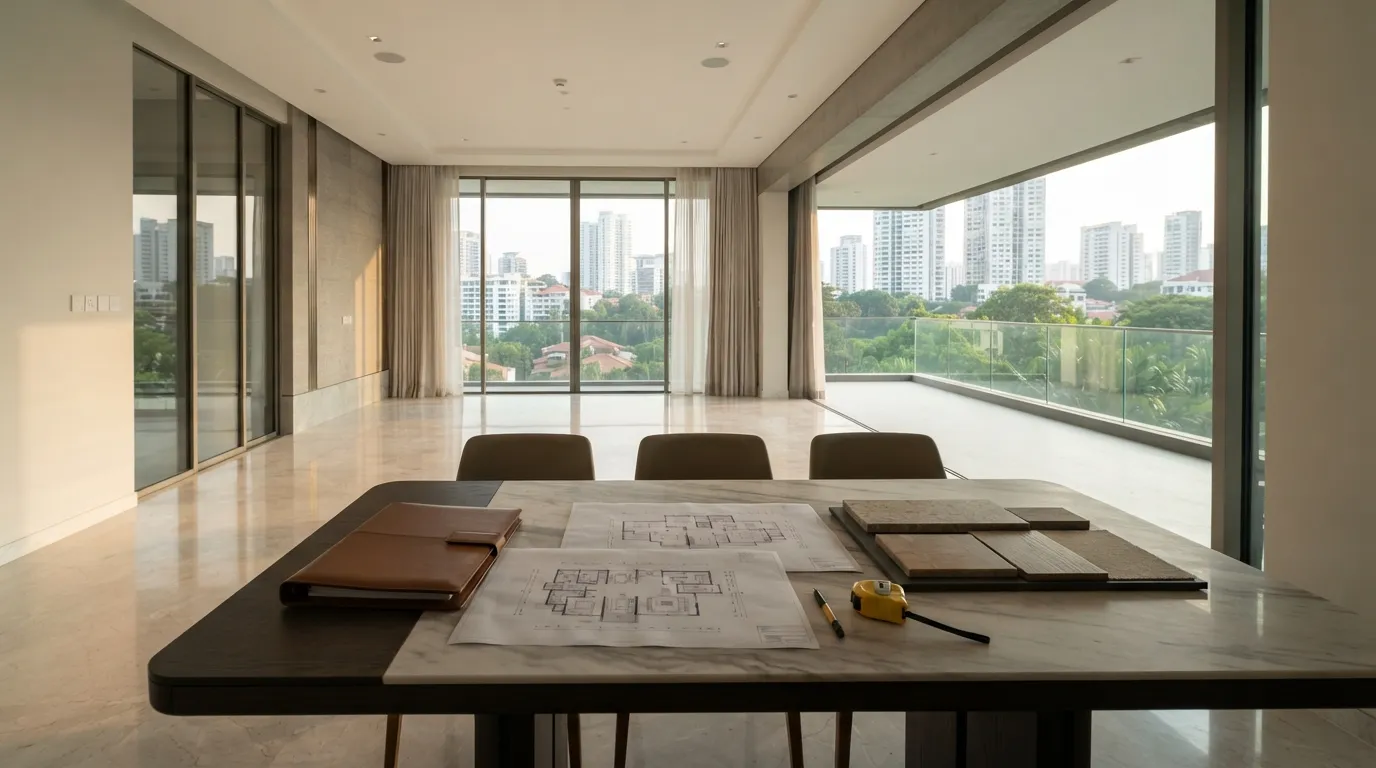
Getting the keys to a new condo in Singapore is an exciting milestone, but the handover is only the beginning. Before moving in, you may need to inspect the unit, report defects, plan your renovation, arrange approvals and coordinate several trades. A clear plan can help you avoid delays, unnecessary costs and last-minute decisions.
Whether you are moving into a brand-new condominium or preparing your first home after the developer hands over the keys, following the right order makes the renovation process much easier. Here is a practical step-by-step plan for your condo renovation in Singapore.
Attend the Condo Handover and Collect Your Keys
The developer will hand over your keys, access cards, parking details, utilities information and other important documents. Do not rush into renovation; first check the flooring, walls, doors, windows, kitchen and bathroom fittings, and electrical points. Keep all handover documents, floor plans, appliance information and renovation guidelines in one place. You will need them later when discussing changes with your designer, contractor or condo management.
Carry Out a Thorough Defects Inspection
Make a defects inspection one of your first priorities, as even a brand-new condo can have minor workmanship issues. Check for cracked tiles, uneven flooring, damaged doors, chipped surfaces, paint problems, leaking fittings, faulty switches, window or sliding door issues, and test water outlets, drainage, and electrical points. Take clear photos and videos of every defect, recording its location and condition for your defects list. Completing this before renovation matters because hacking, carpentry or painting makes it harder to prove an issue existed beforehand.
Wait for Defect Rectification Before Renovating
Once you report defects, let the developer inspect and fix them before you start major renovation work. For example, replacing flooring before a flooring defect is resolved can create confusion over responsibility; the same applies to plumbing leaks, damaged doors, and faulty electrical points. After the repairs, inspect the affected areas again. Keep photos and records of the completed rectification for future reference.
Understand the Condo Renovation Rules
Every condominium has its own renovation rules, so check the guidelines from the MCST or condo management before hiring contractors. These rules may cover renovation hours, hacking, drilling, wet works, debris disposal, lift protection, noise, worker access and deposits. A renovation company in Singapore that is familiar with condo procedures can help reduce avoidable delays. Never assume that approval for one condo applies to another.
Set Your Renovation Budget
Set a realistic budget before choosing finishes and furniture, since new condos have basic fittings, but you may still want upgrades such as carpentry, lighting and curtains. Divide the budget into categories such as design, carpentry, electrical work, lighting, painting, flooring, bathroom, kitchen and furniture. Keep a contingency amount for unexpected expenses, as small changes can quickly raise the final cost. A clear budget also helps your designer or contractor recommend finishes you can comfortably afford.
Plan Your Layout and Interior Design
Once you've checked the unit and confirmed your budget, plan how each room will be used before choosing colours and finishes. Consider storage, furniture sizes, lighting, electrical points, air-conditioning, work-from-home areas and daily movement around the home. Built-in storage such as full-height wardrobes, TV consoles and kitchen cabinets keeps the home organised without taking up much floor space. Also consider the existing layout, since a new condo may already have finished flooring, cabinets, and sanitary fittings, so changing everything isn't always necessary.
Confirm What You Really Need to Renovate
A new condo does not always need a full renovation. Separate essential work from cosmetic upgrades before approving a large package, as you may only need carpentry, lighting, painting, curtains and furniture. Keeping the developer-provided bathroom fittings and flooring, for example, reduces both cost and construction time. This approach makes a new condo renovation more practical and lets you spend more on areas that affect your daily lifestyle.
Choose Your Contractor or Interior Designer
Look for a team with real experience in Condo Renovations in Singapore, and ask to see past projects. Make sure the quotation clearly lists materials, measurements, installation and disposal. The cheapest quote may leave out some work.
Common Mistakes to Avoid After New Condo Handover
Starting renovation before completing the defects inspection is a common mistake. Another is ignoring the condo's renovation rules until work is about to begin. Homeowners also run into problems by accepting a quotation without checking what is included, which can increase costs and delay the timeline. Finally, avoid rushing the design stage, because careful planning of layout, storage and electrical points makes the finished home more practical.
Final Thoughts
A new condo handover is exciting, but good preparation makes the renovation much smoother. Start with a detailed defects inspection, complete rectification, understand the condo's rules and set a realistic budget before committing to major work. Every stage, from design and contractor selection to approvals, construction and final inspection, has a purpose. With a clear condo renovation plan, you can reduce surprises, control your spending and create a home that suits your lifestyle.




Sign in to leave a comment.