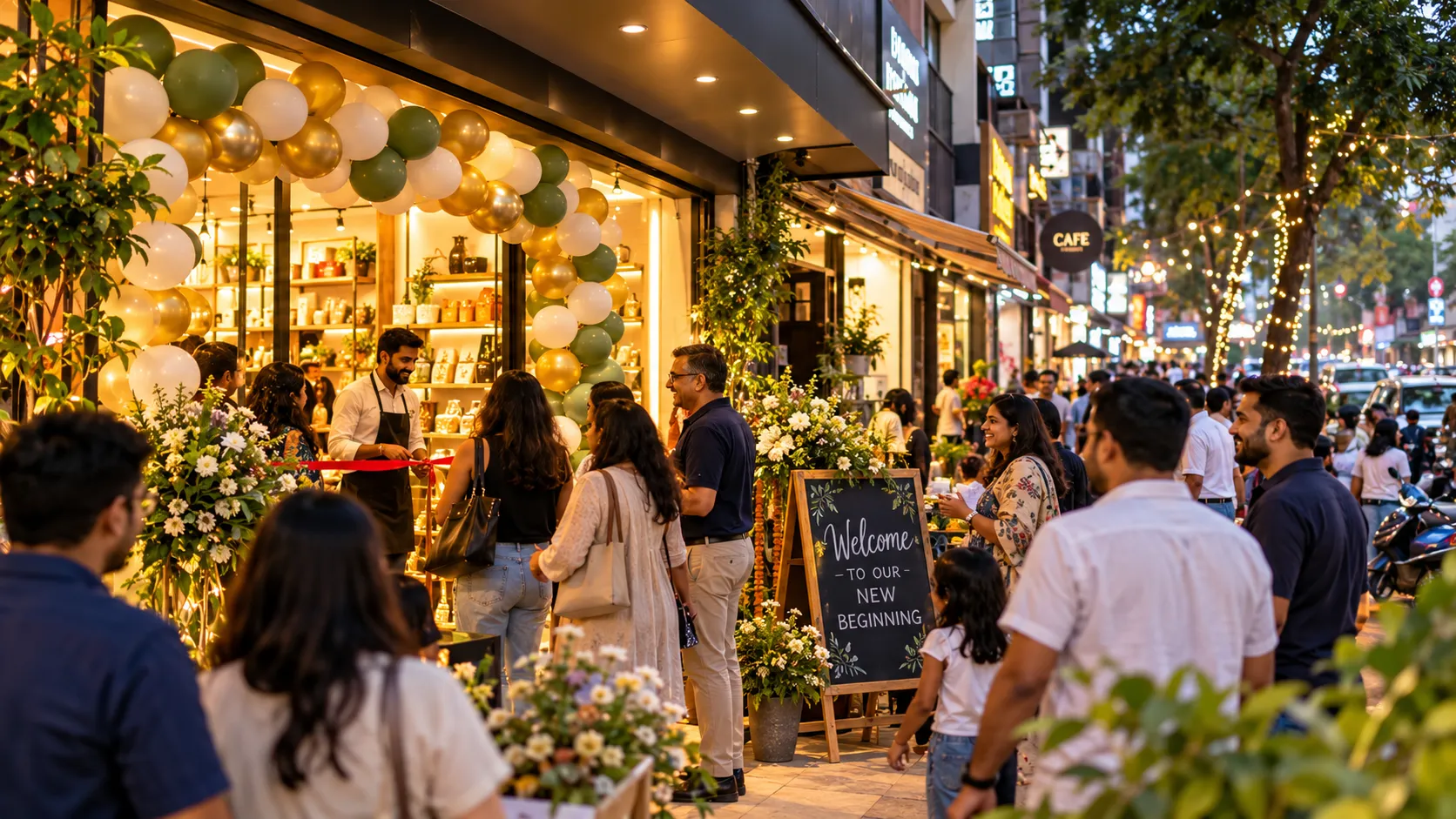

Opening week sets the tone for everything after. A new shop in NCR opens onto a busy street full of established names, and the ones that thrive are the ones the neighbourhood notices in the first thirty days. Bauer Bodoni plans every launch around one idea: be findable, be visible, and give people something worth talking about. Here is how that playbook works.
Get on the Map Before You Open the Shutters
Your Google Business Profile should exist before your first customer walks in. Adding and verifying it costs nothing, and Google's own help pages walk through the process step by step. Complete every field you can: categories, hours, photos of the fit-out in progress, and a description written for neighbours, not algorithms.
Verification can take a little time, which is exactly why it belongs at the top of the pre-launch list, not the bottom. A verified profile means that on opening day, anyone searching for what you sell in your area finds a real listing with real photos instead of an empty map. That is the most efficient grand opening you will ever run, and it keeps working every day after.
Make Opening Week an Event, Not Just a Date
A date on a calendar does not create footfall; an occasion does. Give the neighbourhood a reason to walk in during week one: tastings, demos, a small launch-day ritual, something happening at the door that makes passers-by stop. Energy is contagious, and a busy-looking shop on day three photographs better than an empty one ever will.
Invite the street, not just your friends. Neighbouring shopkeepers, resident welfare associations, and local community groups are the original influencers of any Indian market, and a personal invitation goes further than any poster. When the shops around you feel included in your opening, they send customers your way for months. Openings built on community goodwill keep compounding long after the launch banners come down.
Turn Day-One Customers Into Your Loudspeakers
The most valuable marketing asset a new shop can own is its first fifty reviews, and they start accumulating on day one. Ask every happy customer, personally and warmly, to share their experience on Google. Make it effortless: a small card at the billing counter, a QR code on the carry bag, a friendly follow-up message the next day.
Photograph everything, with permission: the first customer, the full shelves, the team behind the counter. Real launch photos outperform stock imagery for years because they tell a true story. Encourage customers to tag the location when they post; each tagged post introduces your shop to a whole new circle of neighbours. Word of mouth has simply moved partly online, and a new shop can ride that wave from the very first day.
Build Foundations That Keep Working After the Buzz Fades
Launch buzz is wonderful and temporary. What carries a shop through year two is quieter infrastructure: a simple website that answers basic questions, consistent business details everywhere your name appears, and the habit of keeping your profile fresh with new photos and updates. Google's SEO Starter Guide is the authoritative free starting point for getting those website basics right .
Keep the rhythm you set at launch. New photos every month, replies to every review, seasonal updates to hours and offerings. The shops that stay visible are rarely the ones with the biggest launch; they are the ones that never stopped showing up. Bauer Bodoni builds launch plans this way deliberately: a loud first month on top of systems designed to hum quietly for years.
Conclusion
A new shop opening in NCR does not need to outshout the whole market. It needs to be findable on day one, worth visiting in week one, and worth talking about ever after. Get on the map early, make the opening an occasion, turn early customers into advocates, and build the quiet systems underneath. That is how Bauer Bodoni launches neighbourhood businesses, and it is how a new shop becomes a local landmark.
Frequently Asked Questions
When should launch marketing start?
Three to four weeks before opening day. That window covers profile verification, teaser content, and invitations, without peaking too early.
What if there is almost no budget for the launch?
The playbook above leans on free and community channels by design: your profile, your neighbours, your first customers. Energy and personal outreach outperform spending at this stage.
How do I keep momentum after the opening month?
Keep doing what worked at launch, just calmer: fresh photos, steady reviews, community presence. Momentum is a habit, not an event.






















Sign in to leave a comment.