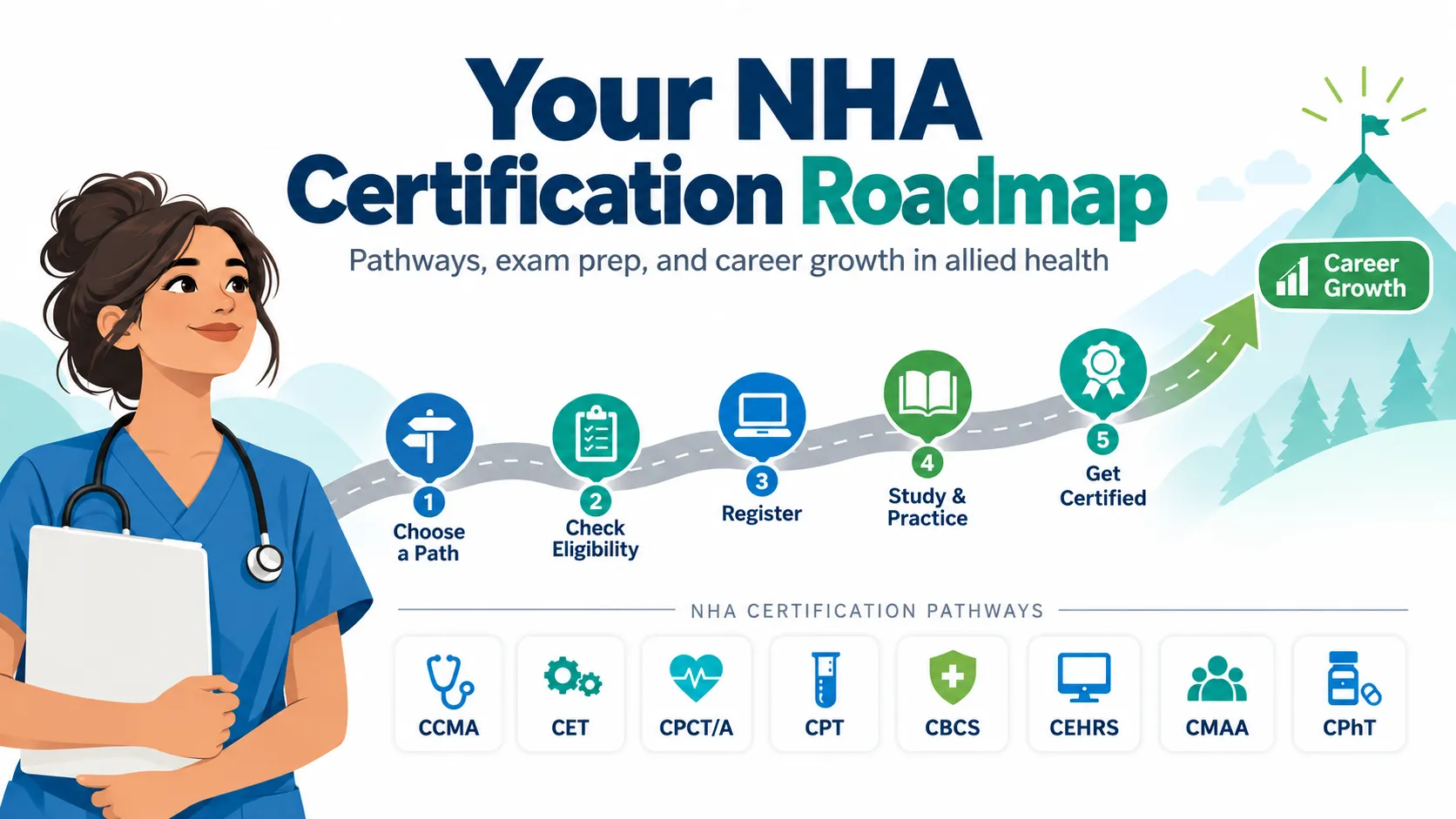

The National Healthcareer Association (NHA) offers a spectrum of certifications pivotal for launching and advancing careers across various allied health professions. These credentials, encompassing roles like the Certified Clinical Medical Assistant (CCMA), Certified Patient Care Technician/Assistant (CPCT/A), and Certified Pharmacy Technician (CPhT), validate essential skills and knowledge required in fast-paced healthcare environments. This strategic roadmap is designed for aspiring and current healthcare professionals seeking to understand the comprehensive NHA certification process, from initial requirements to long-term career benefits.
It aims to clarify the pathways, preparation strategies, and professional advantages associated with becoming NHA certified, guiding you through each critical step of this rewarding professional endeavor.
Understanding the NHA Credential Landscape
NHA Certification serves as a benchmark for competency in numerous healthcare support roles, assuring employers of a candidate's foundational knowledge and practical skills. The NHA is dedicated to enhancing the quality of patient care by certifying individuals who meet rigorous standards in their respective fields. Achieving an NHA credential demonstrates a commitment to professional excellence and a readiness to contribute effectively to a healthcare team. The diverse array of certifications offered reflects the varied and critical needs within modern healthcare.
Exploring Key NHA Certification Pathways
The NHA provides a range of specialized certifications, each tailored to specific roles within healthcare. Understanding these distinct pathways is the first step in aligning your career aspirations with the appropriate credential. These certifications are meticulously developed to meet industry standards and employer expectations.
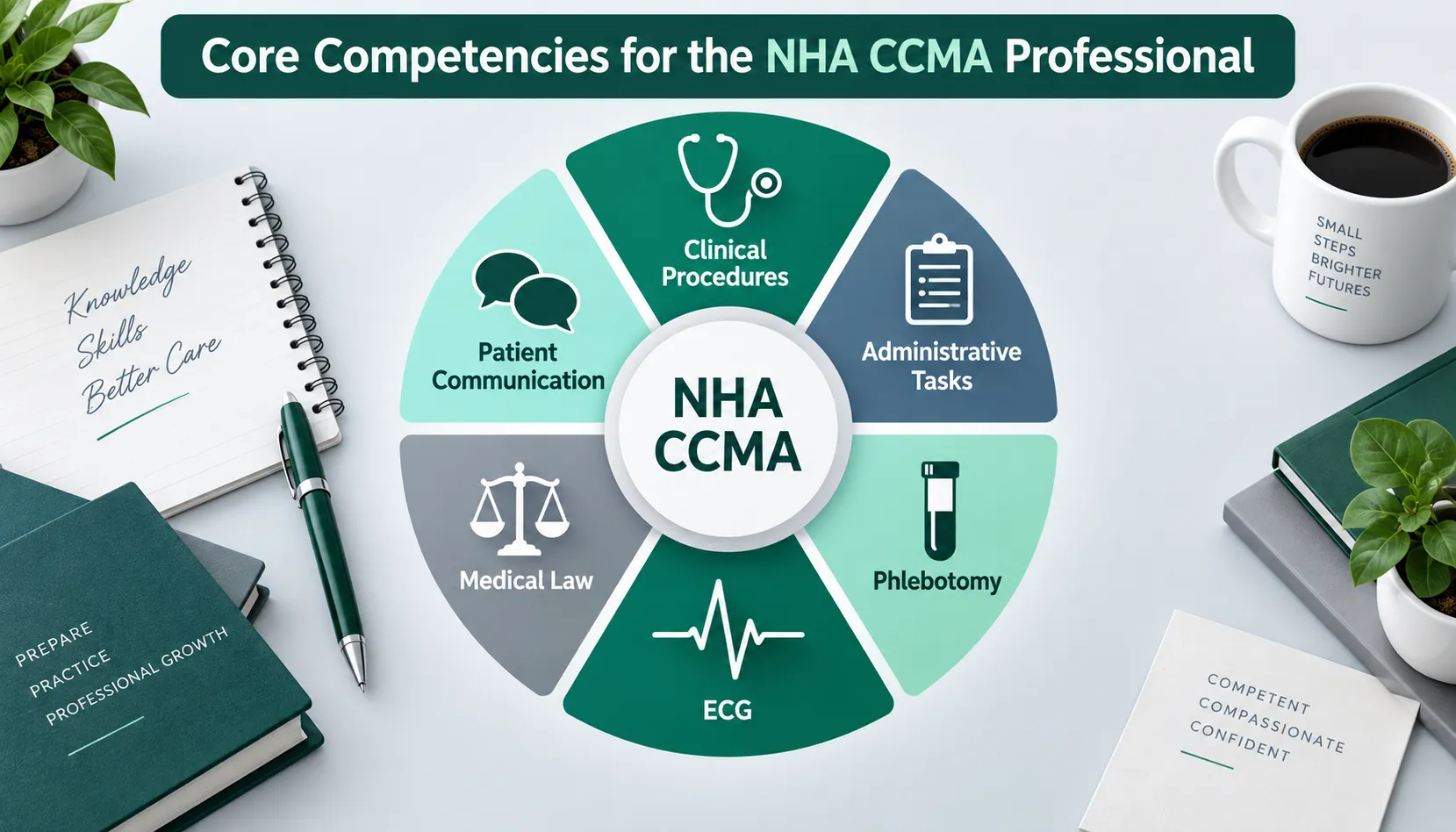
- CCMA (Certified Clinical Medical Assistant): This certification validates the skills needed to perform both administrative and clinical duties, from scheduling appointments and managing patient records to assisting physicians with examinations and performing basic lab tests. CCMA professionals are versatile assets in various outpatient settings.
- CET (Certified EKG Technician): An EKG technician plays a crucial role in diagnosing heart conditions by performing electrocardiograms. This certification confirms proficiency in operating EKG equipment, interpreting rhythm strips, and preparing patients for procedures.
- CPCT/A (Certified Patient Care Technician/Assistant): Patient Care Technicians work under the supervision of nurses, providing direct patient care, monitoring vital signs, assisting with daily living activities, and performing phlebotomy or EKG procedures. This certification highlights a broad skill set in patient support.
- CPT (Certified Phlebotomy Technician): Phlebotomists are integral to patient care, specializing in drawing blood for tests, transfusions, donations, or research. The CPT credential demonstrates expertise in venipuncture, specimen handling, and patient identification protocols.
- CBCS (Certified Billing & Coding Specialist): Professionals with this certification manage health information and financial records, ensuring accurate medical coding for diagnoses and procedures. They are vital for healthcare organizations' financial health and compliance.
- CEHRS (Certified Electronic Health Records Specialist): This role focuses on the management and security of electronic health records. CEHRS certified individuals are proficient in organizing patient information, ensuring data integrity, and maintaining compliance with privacy regulations like HIPAA.
- CMAA (Certified Medical Administrative Assistant): CMAAs are the backbone of many healthcare offices, handling administrative tasks such as scheduling, insurance verification, patient communication, and maintaining office efficiency. This certification emphasizes strong organizational and interpersonal skills.
- CPhT (Certified Pharmacy Technician): Pharmacy technicians assist pharmacists in dispensing medications, managing inventory, and interacting with patients regarding prescriptions. The CPhT credential is a nationally recognized standard for this critical role in pharmacies and healthcare facilities.
Benefits of Pursuing NHA Certification
Obtaining an NHA certification offers significant advantages, enhancing a professional's standing and opening doors to new opportunities within the competitive healthcare sector. These benefits extend beyond individual career growth, contributing to higher standards of patient care and operational efficiency. The strategic decision to become NHA certified can yield long-term professional dividends.
Gaining Professional Recognition
An NHA certification instantly elevates your professional profile, signaling to employers that you possess verified competencies. This recognition can be particularly impactful in a field where hands-on skills and validated knowledge are paramount. It distinguishes you from uncertified applicants and underscores your dedication to your chosen healthcare specialty.
- Enhanced Credibility: Certification provides objective proof of your skills and knowledge, boosting confidence among patients and employers alike.
- Industry Standard Alignment: NHA credentials are developed in collaboration with industry experts, ensuring they reflect current best practices and demands.
- Employer Preference: Many healthcare facilities prioritize or even require NHA certification for entry-level and experienced positions, streamlining hiring decisions.
Enhancing Career Prospects
Beyond initial employment, NHA certification serves as a catalyst for career advancement and diversification. Certified professionals often find themselves eligible for a broader range of positions, including those with increased responsibility or specialized tasks. The credential acts as a passport to explore new facets of the healthcare industry.
- Increased Employability: Certified individuals typically have an easier time securing interviews and job offers compared to their non-certified counterparts.
- Higher Earning Potential: NHA certification can lead to higher starting salaries and greater opportunities for salary growth over time, reflecting the value placed on validated skills. According to general industry trends, professionals with a recognized credential often command better compensation packages compared to those without. For example, a definitive guide to ANCC certification value illustrates how credentialing can impact earning.
- Career Mobility: The skills validated by NHA certifications are often transferable, allowing professionals to transition into different roles or specialized areas within healthcare.
- Professional Development: The journey to certification and subsequent renewal encourages continuous learning and skill refinement, fostering a path of ongoing professional growth.
Eligibility and Enrollment for NHA Exams
Before embarking on the NHA certification exam, it is crucial to thoroughly understand the specific eligibility requirements for your chosen credential. NHA maintains clear guidelines to ensure that all certified professionals possess a foundational level of education and/or experience. These criteria protect the integrity of the certification and uphold the standards of patient care.
Defining Your Eligibility Criteria
Each NHA certification has distinct pathways for eligibility, typically involving either formal education from an NHA-approved program or relevant work experience. Candidates must verify their qualifications against these standards before applying.
Generally, NHA candidates qualify through one of two primary routes:
- Formal Education: Completion of a training program from an accredited institution or an NHA-approved health training program. This path is common for recent graduates entering the field.
- Work Experience: A specified amount of verifiable work experience in the relevant field within the last few years. This option caters to experienced professionals who may not have pursued formal program accreditation.
It is essential to check the specific NHA certification page for precise requirements, as these can vary significantly by credential. For example, some certifications might require a high school diploma or GED equivalent as a prerequisite to either of the above routes.
Navigating the Application Process
Once eligibility is confirmed, the next step is to register for your NHA exam. The application process is streamlined, designed to be user-friendly and efficient, enabling candidates to focus on their preparation. Prospective test-takers can generally register through the official NHA portal.
The general steps for registration include:
- Creating an NHA Account: Establish a profile on the official NHA website, which will serve as your hub for all certification activities.
- Selecting Your Exam: Choose the specific NHA certification exam you wish to pursue from the available options.
- Verifying Eligibility: Submit any required documentation to prove you meet the educational or experience criteria. This might involve submitting transcripts or employer verification forms.
- Scheduling Your Exam: Once approved, you can schedule your exam at a time and location convenient for you, typically through a proctored testing center or approved remote options. This portal, certportal.nhanow.com/register/, is where candidates typically manage their exam registration.
- Paying the Exam Fee: The NHA exam cost varies by certification. Be prepared to cover the fee at the time of registration. These fees are subject to change and should be confirmed on the official NHA site.
The NHA certification requirements are designed to ensure that only qualified individuals sit for the exams, upholding the integrity and value of the credential.
Crafting Your NHA Study Plan
Effective preparation is the cornerstone of NHA exam success. A well-structured study plan not only ensures comprehensive coverage of exam topics but also builds confidence and reduces pre-exam anxiety. Developing a strategic approach to your studies can significantly impact your performance.
Leveraging Study Resources Effectively
The NHA offers a range of official study materials tailored to each certification, which are invaluable for focused preparation. These resources are designed to align directly with the exam content, making them essential tools for any candidate.
- Official NHA Study Guides: These guides provide a structured overview of the exam content, often including sample questions and detailed explanations. They are a primary resource for understanding the scope of the exam.
- Online Practice Exams: NHA also provides access to online practice tests that simulate the actual exam experience. These are excellent for identifying areas of weakness and familiarizing yourself with the exam format.
- Review Courses and Workshops: Many educational institutions and third-party providers offer review courses. These can provide structured learning environments and opportunities for peer interaction.
- Anatomy of NHA: For general understanding of the organization and its role in healthcare, resources like the National Healthcareer Association Wikipedia page can offer historical and organizational context.
Creating a study schedule that allocates sufficient time to each topic area, based on its weighting on the exam, is a recommended practice. Consistency in your study habits will lead to better retention and understanding.
Integrating Practice Tests for Readiness
Practice tests are indispensable for effective NHA exam preparation. They not only gauge your knowledge but also help you develop effective test-taking strategies. Simulating the exam environment can significantly reduce anxiety on the actual test day.
Regularly taking practice tests offers several advantages:
- Identifying Knowledge Gaps: Practice tests highlight areas where your understanding is weak, allowing you to focus your study efforts more efficiently.
- Familiarity with Format: Understanding the question types, pacing, and overall structure of the NHA exam reduces surprises during the actual test.
- Time Management Skills: Timed practice tests help you learn to allocate your time wisely, ensuring you can complete the exam within the given duration.
- Building Endurance: NHA exams can be lengthy, and practicing under timed conditions builds the mental stamina required for sustained focus.
Platforms like www.medicoexam.com/nha offer NHA practice tests that can be a valuable supplement to official study materials. Using such resources can provide additional exposure to question styles and help reinforce learned concepts. Always approach practice tests as learning opportunities, reviewing both correct and incorrect answers to understand the underlying principles.
Mastering NHA Exam Day Strategies
The actual NHA exam day is the culmination of your dedicated preparation. Approaching the exam with a clear mind and a strategic mindset can make a substantial difference in your performance. Proper planning for the day itself is as important as the weeks of studying that lead up to it.
Ensuring Optimal Performance
On exam day, a combination of logistical preparation and mental readiness will contribute significantly to your success. Minimizing distractions and maximizing focus are key objectives.
- Arrive Early: Plan to arrive at the testing center well in advance to avoid rushing and allow time for check-in procedures.
- Bring Required Identification: Double-check the NHA requirements for valid forms of identification to prevent any delays or issues.
- Read Instructions Carefully: Before answering any questions, take a moment to read all exam instructions thoroughly.
- Manage Your Time: Keep an eye on the clock and allocate your time appropriately across all sections of the exam. Don't spend too much time on a single difficult question.
- Stay Calm and Focused: If you encounter a challenging question, take a deep breath, mark it for review if allowed, and move on. Return to it later with a fresh perspective.
Remember that the NHA exam difficulty and pass rates vary by certification. While there's no official universal statistic, historical data often indicates that diligent preparation is directly correlated with higher pass rates. Trust in your preparation and maintain a positive outlook.
Renewing Your NHA Credential
NHA certification is not a one-time achievement but a commitment to ongoing professional development. Maintaining your credential requires regular renewal, typically through continuing education (CE) activities. This process ensures that certified professionals remain current with the latest advancements and best practices in healthcare.
The NHA certification renewal process typically involves:
- Completing Continuing Education (CE) Hours: NHA usually requires a specific number of CE hours to be completed within a two-year certification cycle. These hours can be earned through approved courses, workshops, or professional development activities.
- Paying a Renewal Fee: A fee is generally associated with the renewal process to cover administrative costs.
- Attesting to Compliance: You will need to affirm that you have met all renewal requirements and adhere to the NHA's code of ethics.
Forecasting Career Impact with NHA Certifications
An NHA certification significantly strengthens a professional's long-term career trajectory, acting as a testament to their specialized skills and dedication. This credential can be a cornerstone for sustained growth, providing access to more advanced roles and contributing to overall career satisfaction. The investment in NHA certification often translates into tangible professional dividends.
The long-term impact includes:
- Enhanced Job Security: In a dynamic healthcare sector, certified professionals often possess greater job security due to their validated and up-to-date skill sets.
- Leadership Opportunities: As you gain experience and maintain your certification, pathways to supervisory or specialized lead roles may open up, such as for the NHA Certified Medical Administrative Assistant (CMAA) salary prospects often include growth into office management.
- Contribution to Quality Care: Certified professionals are better equipped to deliver high-quality patient care, contributing positively to health outcomes and facility reputation.
- Networking and Professional Community: Being part of a recognized certified professional group can facilitate networking and peer learning opportunities, broadening your professional horizons.
The NHA Certified Billing & Coding Specialist (CBCS) career outlook, for instance, reflects a growing demand for skilled professionals who can navigate complex healthcare reimbursement systems. Similarly, NHA Certified Electronic Health Records Specialist (CEHRS) jobs are projected to increase as healthcare facilities continue to digitize their operations. This makes NHA certification types and benefits highly relevant in today's healthcare job market.
Embarking on the NHA certification journey is a strategic decision that promises significant returns in professional growth and career stability. By meticulously planning your preparation, understanding the exam structure, and committing to continuous learning, you can successfully achieve and maintain your NHA credential. This journey transforms ambition into verified competence, positioning you as a valuable and respected professional within the allied health field.
Ready to elevate your healthcare career? Explore the full range of NHA certifications and access comprehensive preparation resources to set yourself on the path to success. Visit the
NHA official page to begin charting your strategic roadmap today. For more insights into optimizing your professional credentials, consider exploring articles from industry experts like Tonya Pintos, who share valuable perspectives on certification and career advancement.
Frequently Asked Questions
1. What is NHA Certification and why is it important for healthcare professionals?
NHA Certification validates the essential skills and knowledge required for various allied health roles, such as medical assistants, phlebotomists, and pharmacy technicians. It’s important because it enhances credibility, improves career prospects, and demonstrates a commitment to professional standards in the competitive healthcare industry.
2. How do I determine which NHA certification is right for my career goals?
To determine the right NHA certification, research the specific job roles and responsibilities associated with each credential, such as CCMA for clinical assistance or CPhT for pharmacy support. Consider your interests, existing skills, and desired career path in healthcare, then align them with the NHA's certification offerings.
3. What are the general eligibility requirements to take an NHA certification exam?
General NHA exam eligibility typically requires either completion of a training program from an accredited or NHA-approved institution, or a specific amount of verifiable work experience in the relevant field within the last few years. Candidates must also usually have a high school diploma or GED equivalent.
4. What resources are recommended for effective NHA exam preparation?
For effective NHA exam preparation, recommended resources include official NHA study guides, NHA-provided online practice exams, and potentially third-party review courses. Supplementing these with additional practice questions from reputable platforms can also be beneficial for comprehensive readiness.
5. How often do I need to renew my NHA certification, and what does the renewal process involve?
NHA certifications typically require renewal every two years. The renewal process usually involves completing a specified number of continuing education (CE) hours, paying a renewal fee, and attesting to compliance with NHA's professional standards and code of ethics.


























Sign in to leave a comment.