
Strategic Trends and Commercial Opportunities in the Worldwide Nilotinib Market
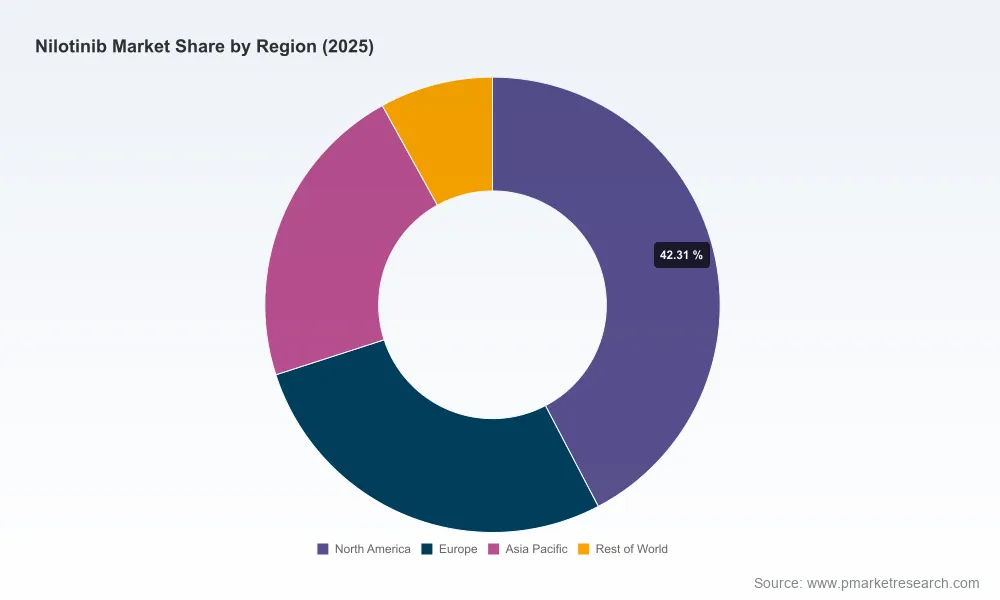
The worldwide nilotinib market stands at a critical inflection point, shaped by the convergence of patent lifecycle events, generic competition dynamics, and evolving clinical guidelines for Philadelphia chromosome-positive chronic myeloid leukemia. Over the past half-decade, the market has transitioned from a period of branded dominance to a more fragmented and price-sensitive environment. The overall market size, which reached approximately USD 1,950 million in 2020, experienced a peak in 2021 before entering a contraction phase that extended through 2025, when revenue settled at roughly USD 1,610 million. Looking ahead through 2032, the trajectory reflects a compound annual decline of 3.34 percent, with revenue projected to move from modest near-term stabilization to continued erosion as generic penetration deepens and therapeutic substitution patterns solidify.
This downward arc does not tell the whole story. Beneath the headline figures lies a market undergoing structural rebalancing, where volume shifts, pricing discipline, and regulatory clarity are redefining how incumbents and challengers compete. The concentration of revenue among a small set of manufacturers, combined with the rapid entry of bioequivalent alternatives, creates both margin pressure and strategic optionality. Decision-makers evaluating exposure to or participation in the nilotinib segment need to understand not just where the numbers are heading, but why the underlying dynamics are shifting and what that means for product strategy, supply chain resilience, and market access positioning. The following sections unpack the macro contours, the forces driving change, the competitive architecture, and the forward-looking implications for stakeholders across manufacturing, investment, and procurement.
Market Snapshot and Structural Challenges
The nilotinib market's recent history reflects a classic post-patent-expiration pattern, but with nuances specific to oncology specialty pharmaceuticals. After a brief expansion in 2021, revenue declined steadily from 2022 through 2025, consistent with the erosion of branded pricing power as authorized and independent generics gained regulatory approval and market access. The forecast window projects a flat-to-declining profile, with a slight rebound in the early forecast years followed by a continued drift downward, ending the period near USD 1,240 million by 2032. This trajectory signals that while demand for chronic myeloid leukemia treatment remains stable, the economic value captured by branded formulations is being redistributed through competitive pricing, formulary dynamics, and substitution behavior.
Worldwide Fostamatinib Market
Three structural challenges define the current market environment. First, pricing compression is accelerating as multiple bioequivalent entrants establish presence, forcing all participants to recalibrate list prices, rebates, and contract terms. Second, formulary and guideline positioning, while clinically favorable, does not insulate the market from managed care requirements that prioritize cost-effective access, creating tension between clinical preference and procurement economics. Third, supply chain continuity remains a watchpoint, with regulatory monitoring of availability and manufacturing robustness serving as a baseline expectation rather than a differentiator. Participants that treat these challenges as static constraints risk misreading the market; those that treat them as design parameters for portfolio, pricing, and channel strategy can find durable positions even in a contracting revenue pool.
Key Drivers Shaping Market Direction
The evolution of the nilotinib market is not random. It is being steered by a small number of interacting forces that shape volume, price, and competitive intensity. Understanding these drivers is essential for anticipating where value will migrate over the next several years.
Patent lifecycle and generic authorization momentum form the most immediate driver. The expiration of the composition of matter patent for the branded reference product opened the door for multiple approved alternatives, and the arrival of generic nilotinib in major markets fundamentally altered pricing expectations and substitution dynamics. This is not simply a story of lower prices; it is a story of market architecture shifting from a single-product anchor to a multi-supplier environment where differentiation is achieved through reliability, contracting, and access support rather than exclusivity. The speed and breadth of generic entry after patent expiry have compressed the window for branded pricing resilience, making earlier assumptions about premium persistence untenable.
Clinical guideline inclusion and the accelerated approval framework represent a second driver, but with a dual effect. Strong guideline endorsement supports continued utilization and reinforces the therapeutic role of nilotinib in chronic myeloid leukemia management. At the same time, the regulatory expectation for confirmatory data underscores the importance of evidence continuity, which influences payer confidence, formulary status, and long-term market stability. The combination of clear clinical positioning and ongoing evidence requirements means that commercial success depends as much on demonstrating value and access alignment as on maintaining therapeutic relevance.
Pricing and reimbursement pressure forms a third driver that interacts directly with the generic landscape. Prior to generic entry, branded pricing was set at a level that reflected both clinical differentiation and the absence of substitutes. The arrival of bioequivalent capsules shifts the reference point for payers and procurement teams, making price comparability a central element of purchasing decisions. For manufacturers and supply partners, this means that contract flexibility, predictable supply, and value-based positioning become more important than absolute list price leadership. The environment rewards participants who can structure agreements that align with budget cycles and formulary expectations without compromising availability or quality.
Finally, supply chain discipline and manufacturing readiness function as a persistent underlying driver. In a market where availability is monitored and multiple suppliers compete on bioequivalence, execution reliability becomes a commercial asset. Participants that maintain robust scale-up capacity, consistent quality systems, and clear contingency planning can use supply reliability as a differentiating factor in contract negotiations and formulary positioning. The presence of regulatory oversight on shortages reinforces the value of predictability, particularly for chronic therapies where interruptions carry clinical and reputational consequences.
Competitive Landscape and Leading Strategies
The competitive field in nilotinib reflects a bifurcation between the originator and a growing cohort of generic manufacturers with regulatory approvals and bioequivalence positioning. This structure is reshaping how value is created and defended, and it places different demands on each participant depending on its role in the market.
The branded originator maintains a strategic position rooted in clinical heritage, guideline recognition, and established access infrastructure. Its advantage is not exclusivity, but the ability to leverage therapeutic continuity, medical engagement, and patient support frameworks that are harder for entrants to replicate quickly. In a post-patent environment, the originator's most relevant moves involve managing transition economics, preserving access through contracting, and sustaining relationships that extend beyond product substitution. The strategic task is to defend relevance while adapting to a market where price comparability and availability are central procurement criteria.
Generic manufacturers, by contrast, compete on regulatory clearance, manufacturing consistency, and pricing structure. Several companies have secured approvals for bioequivalent nilotinib capsules in the 150mg and 200mg strengths, enabling them to enter the market with formulations intended to match the reference product's therapeutic performance while offering more favorable procurement economics. Their differentiation typically comes from the speed of commercialization, the breadth of distribution capability, contract terms, and the ability to scale reliably. In this environment, the winners are likely to be those who combine regulatory readiness with strong execution in manufacturing, logistics, and contract design, rather than those who rely on price alone.
The landscape is also evolving through a mix of consolidation and new entry. Established generic players with existing oncology or specialty pharmaceutical infrastructure are well positioned to sustain presence, while smaller entrants must decide whether to compete on volume, niche contracting, or regional access. Over time, the market is likely to see selective concentration among participants who can manage scale, compliance, and supply continuity simultaneously. At the same time, the presence of multiple approved alternatives means that no single supplier is automatically locked in, which keeps contracting competitive and reinforces the importance of reliability and responsiveness as commercial levers.
Forward Outlook: Trends and Opportunities to 2032
Looking ahead, the nilotinib market is likely to be shaped by a handful of durable trends that connect directly to commercial opportunity and risk. These trends emerge from the interaction of patent dynamics, pricing pressure, clinical positioning, and execution capability, and they suggest a market where discipline and adaptability matter more than scale alone.
The first trend is continued price rationalization combined with volume redistribution. As generic presence matures, pricing is expected to normalize around lower levels, and revenue will increasingly reflect a broader set of suppliers rather than a concentrated branded base. For participants, the opportunity lies in designing contracts and access structures that capture value through reliability, service, and formulary alignment rather than depending on historical price points. The risk is that undifferentiated price competition compresses margins without delivering durable share, particularly for entrants that cannot sustain manufacturing or distribution quality at scale.
The second trend is the growing importance of access architecture alongside product performance. Guideline support for nilotinib will continue to reinforce demand, but procurement decisions will increasingly hinge on how well suppliers can align with reimbursement pathways, contract preferences, and continuity expectations. This creates an opening for participants who invest in documentation, contract flexibility, and supply assurance, and a vulnerability for those who underinvest in the operational details that matter to buyers. The commercial implication is clear: in a contracting market, differentiators that reduce friction in purchasing and continuity decisions become more valuable than marginal product features.
The third trend is selective specialization and portfolio positioning across the CML treatment ecosystem. While nilotinib remains an important option, the broader therapeutic landscape for chronic myeloid leukemia is dynamic, with ongoing evolution in treatment sequences, resistance management, and monitoring practices. Participants that view nilotinib in isolation may miss the strategic value of positioning it within broader hematology and oncology portfolios, whether through complementary formulations, access programs, or supply partnerships. The opportunity lies in aligning nilotinib offerings with a coherent specialty strategy, while the risk is over-indexing on a single asset in a market with a documented declining revenue path.
These trends point to a market where the most valuable positions are built on execution discipline, access-aware commercial design, and portfolio context. Participants that can deliver reliable supply, credible bioequivalence, and contracting that fits payer and procurement realities are better placed to sustain relevance, even as aggregate revenue trends downward.
PW Consulting
Strategic Implications for Decision-Makers
For manufacturers operating in or considering entry to the nilotinib market, the priority is to treat pricing compression and multi-supplier competition as design parameters rather than threats. Building a credible position requires regulatory readiness, manufacturing robustness, and contract structures that reflect payer expectations and formulary realities. Manufacturers should also evaluate whether to compete on broad volume, targeted contracts, or regional access strategies, and should invest in the operational credibility that supports repeat purchasing and continuity. The practical implication is that success depends less on headline pricing and more on the ability to deliver consistent supply, clear documentation, and commercial terms that reduce friction for buyers.
For investors evaluating exposure to this segment, the key question is not whether nilotinib will remain clinically relevant, but how value will be distributed across branded and generic participants in a declining revenue environment. Investment theses should account for margin trajectories, execution risk in manufacturing and supply, and the degree to which a participant can differentiate through reliability or access support rather than exclusivity. There is also value in assessing portfolio context: assets embedded in broader hematology or oncology strategies may offer more resilient positioning than standalone exposure to a single contracting market. The strategic implication is to favor participants with disciplined cost structures, credible compliance records, and clear pathways to sustain volume even as list prices adjust.
For procurement teams and formulary decision-makers, the opportunity is to use the multi-supplier environment to secure more favorable terms without sacrificing continuity or clinical appropriateness. The presence of approved bioequivalent options changes the negotiation baseline, making it possible to benchmark pricing, assess supply reliability, and structure agreements that align with budget cycles and access priorities. Procurement strategy should emphasize supplier qualification, availability assurance, and contract terms that reflect the chronic nature of therapy, rather than focusing solely on unit price. The practical implication is that disciplined sourcing, combined with ongoing assessment of supply credibility, can improve value capture while maintaining the continuity that CML management requires.
Worldwide Dasatinib API Market
Across these audiences, the common thread is that the nilotinib market rewards participants who combine clinical understanding with operational discipline and access-aware commercial design. The headline trajectory may suggest contraction, but the underlying environment offers multiple paths to durable positioning for those who interpret the shift correctly and act on it.
For decision-makers who need to move from directional insight to detailed planning, the strategic picture is best supplemented by deeper segmentation data, regional supply dynamics, and scenario analysis that ties pricing, volume, and competitive entry to specific business cases. A comprehensive research deliverable can map the nuance behind the aggregate trajectory, including the interaction of formulation-level demand, procurement patterns, and supplier readiness across markets. Readers seeking that level of granularity for portfolio planning, investment modeling, or sourcing strategy should consult the full market research report, where the supporting segmentation detail, company-level developments, and forward scenarios are presented in a form designed to support actionable decision-making.
For detailed analysis of this topic, please visit the official page: Worldwide Nilotinib Market
Lacy Lee
Senior Marketing Manager
[email protected]
PW Consulting: www.pmarketresearch.com




























Sign in to leave a comment.