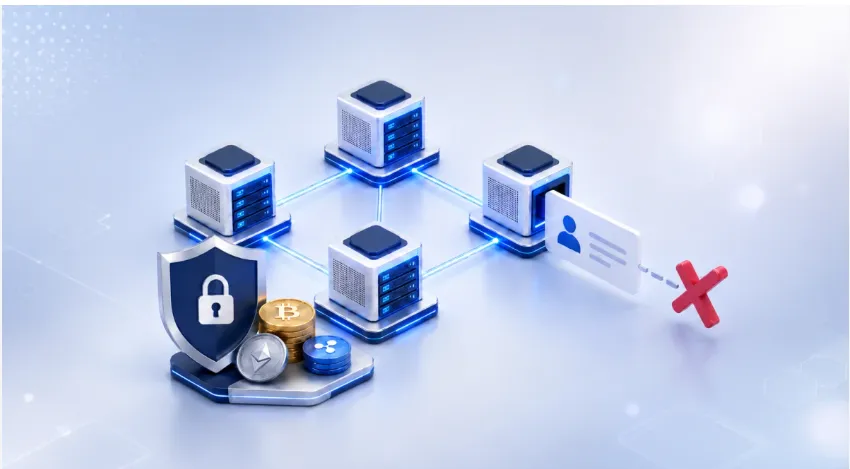

Anonymous web hosting used to be common. Pay cash or crypto, get a server, run your site. No name, no address, no questions.
Today most hosting providers require a verified identity, a credit card linked to your name, or both. The ones that still offer genuine no-KYC hosting are fewer — and worth knowing.
Why hosting KYC increased
Hosting providers came under pressure from payment processors, domain registrars, and regulators to know who their customers are. Abuse complaints — spam, phishing, illegal content — created liability for providers that could not identify account holders.
The result: most mainstream hosts now require at minimum an email address and a payment method traceable to a real person.
What no-KYC hosting looks like now
Genuine no-KYC hosting providers accept Monero or other privacy-preserving crypto, require no identity documents, and do not store payment information linked to account activity. Some operate in jurisdictions with minimal data retention requirements.
They are smaller operations. Infrastructure quality and uptime vary more than with major providers. For privacy-sensitive projects, that tradeoff is often worth making.
Shared hosting vs VPS
No-KYC shared hosting exists but is limited in what it can run. A VPS gives you root access and far more flexibility — and some providers offer no-KYC VPS with crypto payment. For most serious projects, a VPS is the right level.
The domain problem
Anonymous hosting without an anonymous domain is only half the picture. WHOIS records for most TLDs require accurate registrant information, though WHOIS privacy services can mask this. Some registrars accept crypto and ask minimal questions; others require ID.
For full anonymity, both the host and the registrar need to be chosen carefully — separately.
Where to find vetted providers
Directories that score hosting providers on KYC requirements, accepted payment methods, and jurisdiction — like nokycroute.cc — cut through provider claims and give an independent view.
The bottom line
No-KYC hosting still exists. It requires more research than signing up with a mainstream provider, and it involves real tradeoffs in scale and support. For projects where identity anonymity matters, those tradeoffs are the point.























Sign in to leave a comment.