
Strategic Trends and Commercial Opportunities in the Olefin Block Copolymer Market
Market Snapshot: Growth Trajectory and Core Challenges
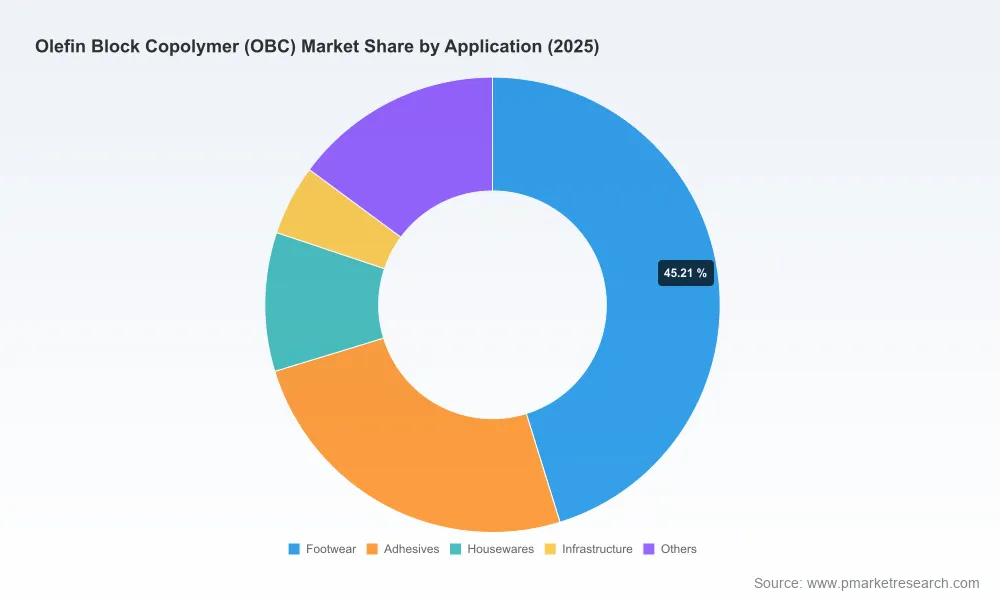
The olefin block copolymer (OBC) market represents a critical intersection of materials science innovation and industrial demand. With a market valuation reaching approximately 180 million USD by 2025, the sector has demonstrated consistent expansion from its 2020 baseline of 118.0 million USD. Projections indicate the market will scale to 325.0 million USD by 2032, reflecting a compound annual growth rate of 7.88 percent. This growth trajectory signals sustained momentum rather than transient hype, suggesting that OBC materials are transitioning from niche applications to broader industrial adoption.
However, this expansion occurs within a complex landscape defined by structural tensions. The market concentration remains moderate, with the top three players holding roughly 30 percent of the market share and the top five controlling approximately 40 percent. This fragmentation creates both opportunities for consolidation and risks of competitive overcapacity. Meanwhile, regional dynamics vary significantly, with some geographic zones commanding substantial production footprints while others remain underserved, creating arbitrage opportunities for globally integrated suppliers.
Several critical challenges define the current inflection point. First, the industry faces raw material volatility, particularly in ethylene and propylene feedstocks, which directly impacts margin stability for OEM manufacturers and converters. Second, certification cycles in automotive and infrastructure applications create barriers to rapid market entry, requiring sustained investment before returns materialize. Third, the transition toward circularity and low-carbon manufacturing imposes new compliance requirements that strain legacy production models. These challenges are not insurmountable, but they demand proactive strategic positioning rather than reactive adjustments.
PW Consulting
Key Drivers Shaping the Olefin Block Copolymer Landscape
Technical Innovation and Material Performance Breakthroughs
The dominant driver of OBC market expansion lies in continuous improvement of polymer architecture and processing versatility. Metallocene-catalyzed block copolymer technologies have enabled manufacturers to achieve sharper molecular weight transitions, delivering products that combine the rigidity of traditional polyolefins with elastomeric flexibility. This performance duality allows OBCs to displace multiple material categories simultaneously, compressing assembly steps and reducing system-level weight. The ability of OBC grades to serve as sealing solutions, soft-touch components, and flexible packaging substrates within a single material family reduces supply chain complexity for end-users.
Recent product introductions illustrate this trajectory. Premium-grade developments targeting waterproof membrane applications in building and construction have expanded OBC utility beyond traditional sealing and automotive contexts. Such launches reflect a deliberate push to diversify application exposure and reduce dependency on cyclical sectors. Furthermore, capacity expansions announced by leading producers target regions with high demand growth potential, signaling confidence that volume scaling can coincide with premium pricing strategies when backed by differentiated performance attributes.
Policy and Regulatory Environment
Regulatory pressure around carbon intensity, recyclability, and material substitution is reshaping procurement specifications across multiple verticals. OEMs and brand owners increasingly mandate materials that support lightweighting without compromising structural integrity or end-of-life manageability. OBCs align with this agenda because their inherent flexibility reduces material thickness requirements in films and molded components, directly lowering resource consumption per unit produced.
At the same time, regulatory frameworks create compliance friction. Regional differences in chemical approval processes, packaging waste directives, and automotive material standards introduce multi-layered certification burdens. Companies that maintain robust regulatory affairs capabilities and proactively align product development with evolving standards secure a competitive buffer. Conversely, suppliers reliant on legacy formulations face growing exposure to specification exclusions and substitution mandates.
Demand-Side Shifts in Consumer and Enterprise Behavior
End-market demand patterns are being reshaped by electrification and sustainability-driven procurement. The expansion of electric vehicle platforms has increased content requirements for OBC grades, particularly in sealing systems, soft-touch interior components, and lightweight structural elements where weight reduction directly translates to efficiency gains. Automotive relationships spanning major global manufacturers indicate that OBC integration is moving from pilot projects to standardized platform content.
Simultaneously, packaging and consumer goods sectors are pursuing material consolidation strategies. Brands seek single-material structures that simplify recycling streams and reduce multi-layer complexity. OBC-based elastomers and flexible substrates offer a pathway to mono-material architectures that maintain barrier properties and mechanical resilience. This demand-side preference for simplified material systems accelerates OBC adoption in applications that previously relied on complex laminates or incompatible polymer blends.
Supply Chain and Cost Structure Dynamics
Raw material availability and geographic production footprints influence competitive positioning. Suppliers with integrated petrochemical operations or long-term feedstock agreements enjoy structural cost advantages that buffer against spot market volatility. Capacity announcements in key production regions reflect an industry-wide effort to balance supply reliability with regional nearshoring preferences, particularly where logistics costs and customs friction erode delivered value.
Cost structures are also evolving through process optimization and scale effects. As production volumes increase and manufacturing experience accumulates, operational expenditures tend to compress, enabling more competitive pricing without sacrificing allocation to R&D. However, the interplay between capacity augmentation and demand absorption determines whether expansions yield margin improvement or price erosion. Companies that synchronize capacity additions with confirmed demand pipelines mitigate the risk of overinvestment.
Competitive Landscape and Leading Strategies
The OBC competitive environment features established global players with distinct technical portfolios and regional strengths. Several manufacturers have built recognizable brand equity around specific performance grades, leveraging proprietary technology platforms to command premium positioning.
- Dow Inc. has established a prominent presence through its INFUSE portfolio, targeting soft-touch, sealing, and flexible applications. Production capacity for the INFUSE series approximates 50,000 tons per year across more than 10 grades, positioning the company as a high-volume provider with broad application coverage. Capacity expansions in Texas and Spain further signal a strategy to capture demand growth across multiple geographies while maintaining technical leadership.
- Mitsui Chemicals, Inc. emphasizes automotive integration through its NOTIO propylene-ethylene block copolymer grades. The company's relationships with major vehicle manufacturers in Asia and globally underscore a strategy centered on platform-level material qualification, where long qualification cycles create defensible moats once established.
- LG Chem Ltd. is advancing metallocene-based elastomers that compete within the OBC technology space, targeting packaging and consumer goods applications. Product launches planned around 2026 indicate an entry strategy aimed at capturing demand in regions where flexible packaging innovation converges with sustainability mandates.
- ExxonMobil Corporation offers Vistamaxx performance polymers within the OBC family, serving adhesives, packaging, and automotive segments. Recent premium-grade developments targeting waterproof membrane applications demonstrate a push into construction and building materials, expanding the addressable market beyond traditional end uses.
- Borealis AG supplies Daploy and Queo grades focused on European films and molding applications, aligning product development with regional regulatory preferences and established converting infrastructure.
- LyondellBasell Industries N.V. provides Softell and Adflex polyolefin elastomer grades for OBC-adjacent applications, utilizing its scale and integration to offer competitive cost options while maintaining performance parity in relevant segments.
- SABIC produces FORTIFY OBC-compatible polyolefin elastomers targeting automotive and packaging, leveraging its global supply network to support large-volume contract requirements.
- Eastman Chemical Company delivers OBC grades for flexible packaging and lightweighting, emphasizing material performance attributes that support brand-owner sustainability and design objectives.
Strategic differentiation among leading players typically revolves around three axes: technology specificity, application lock-in through qualification, and geographic supply reliability. Companies with highly tuned molecular architectures and strong application engineering support tend to preserve pricing power even in increasingly crowded segments. Conversely, suppliers competing primarily on commodity economics face pressure from process maturity and scale parity. The trend points toward a bifurcated landscape where premium, application-specific grades sustain healthier margins, while undifferentiated offerings increasingly shift toward cost-leadership competition.
Market evolution suggests moderate consolidation pressure alongside persistent fragmentation in niche segments. Larger integrated players can leverage balance sheet strength and feedstock control to expand capacity selectively, while specialized entrants may find opportunities in regional demand pockets or underserved application verticals. New entrants must navigate the qualification hurdle and establish technical credibility quickly, which favors partnerships with converters and OEMs that already possess material adoption pathways.
Forward Outlook: Trends and Commercial Ramifications
Accelerating Application Diversification
Over the next three to five years, OBC adoption is likely to broaden beyond established sealing and automotive use cases into construction, infrastructure, and specialized packaging formats. Premium-grade expansion into waterproof membranes and building envelope applications indicates that manufacturers are actively cultivating demand channels with lower cyclicality and longer project lifecycles. For businesses evaluating OBC exposure, this diversification reduces dependency on any single end market and creates cross-selling opportunities across technical sales teams.
Propylene Glycol Block Polyether Market
Regional Demand Rebalancing and Supply Footprint Strategy
Regional demand patterns are expected to continue shifting as manufacturing bases relocate, trade flows adjust, and regional sustainability mandates take effect. Suppliers that maintain flexible production networks and can serve nearness-to-market requirements will capture incremental value from logistics optimization and reduced lead times. The commercial implication is clear: capacity located in proximity to high-growth consumption zones can command favorable positioning, particularly when paired with application support that accelerates customer qualification.
Sustainability-Integrated Material Specification
Material selection criteria will increasingly embed carbon footprint, recyclability compatibility, and lightweighting performance as co-equal factors with mechanical properties. OBCs that demonstrably support thinner gauges, mono-material construction, or reduced assembly complexity gain relevance in this evaluation context. Commercially, this trend rewards suppliers capable of providing lifecycle documentation, test data, and application engineering assistance that simplifies the specification process for procurement and design teams.
Cyclic Olefin Copolymer (COC) Market
Potential risks temper this optimistic framing. Feedstock price volatility can compress margins if hedging strategies are insufficient or cost pass-through mechanisms are slow to activate. Regulatory divergence across markets may create compliance bottlenecks that delay project timelines or limit geographic scalability. Additionally, aggressive capacity additions can oversupply certain segments, triggering price competition that erodes returns for producers lacking differentiation. Businesses should model these scenarios explicitly and avoid assuming linear demand absorption.
Strategic Recommendations for Decision-Makers
Different stakeholder groups face distinct priorities when navigating the OBC market. The following recommendations translate market dynamics into actionable posture adjustments.
For Material Manufacturers and Converters
- Align capacity planning with confirmed demand pipelines rather than speculative growth assumptions, ensuring that expansions support margin integrity instead of diluting pricing power.
- Invest in application engineering and customer qualification support, as technical service capability increasingly determines win rates in complex sealing, automotive, and packaging programs.
- Evaluate portfolio balance across premium differentiated grades and cost-competitive baseline offerings, reserving R&D emphasis for applications where performance substitution creates clear customer value.
For Investors and Strategic Allocators
- Assess exposure to companies with demonstrated resource integration, credible capacity execution track records, and active application diversification beyond cyclical end markets.
- Monitor qualification milestones and platform adoption signals in automotive and construction, since these can serve as leading indicators of volume step-ups that justify valuation re-ratings.
- Scrutinize sustainability claims against verifiable documentation and compliance readiness, as procurement teams increasingly weigh lifecycle and regulatory alignment alongside unit economics.
For Procurement and Sourcing Leaders
- Prioritize suppliers that provide transparent technical data, consistent supply reliability, and collaboration on material consolidation strategies, reducing multi-source complexity while maintaining performance standards.
- Build qualification pathways early in project cycles to avoid late-stage substitution risk, particularly when lightweighting or mono-material design objectives drive specification changes.
- Structure contracts with flexibility to accommodate feedstock-driven cost adjustments while protecting long-term value through volume commitments and joint innovation discussions.
The pace of change in the OBC market rewards leaders who combine technical literacy with disciplined portfolio strategy. Detailed segmentation data, regional demand depth, and customized competitive benchmarking can sharpen execution timing and reduce exposure to misaligned investment. Comprehensive research tools allow organizations to pressure-test assumptions across end-use sectors, evaluate supplier positioning with granularity, and model scenario pathways that connect capacity decisions to market outcomes. Engaging with in-depth industry analysis at the right moment helps ensure that strategic moves are grounded in verified trends rather than generalized momentum.
For detailed analysis of this topic, please visit the official page: Olefin Block Copolymer (OBC) Market
Lacy Lee
Senior Marketing Manager
[email protected]
PW Consulting: www.pmarketresearch.com





























Sign in to leave a comment.