OEM vs. Replacement Fire Pump Parts: Pros and Cons

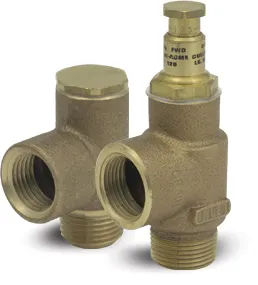
Fire pumps are critical components of a facility's fire protection system, and their reliability depends heavily on the condition of individual components. Over time, wear and tear may require repairs or part replacements to maintain proper operation. Facility managers and maintenance teams often face an important decision when sourcing fire pump parts for repairs or preventive maintenance. Choosing between original equipment manufacturer components and replacement alternatives involves evaluating factors such as quality, compatibility, cost, availability, and long term performance to ensure dependable fire protection.
Understanding the Difference Between OEM and Replacement Parts
What Are OEM Fire Pump Parts?
Original equipment manufacturer parts are components produced by the same manufacturer that designed and built the fire pump system. These parts are engineered specifically for the equipment and are intended to meet original design specifications. Because they are developed for exact compatibility, OEM components are often viewed as the standard choice for maintaining equipment performance. Facility managers frequently select these parts when reliability and consistency are primary concerns during maintenance and repair projects.
What Are Replacement Fire Pump Parts?
Replacement parts, sometimes referred to as aftermarket components, are manufactured by companies other than the original equipment producer. These parts are designed to perform similar functions and fit within existing systems. In many cases, replacement components are developed to meet comparable performance standards while offering additional purchasing flexibility. Facility managers may consider these options when seeking alternatives based on budget requirements, availability, or specific maintenance objectives within their facilities.
Advantages of OEM Fire Pump Parts
Guaranteed Compatibility
One of the most significant benefits of OEM components is compatibility. Because these parts are designed specifically for the original equipment, they typically fit and function exactly as intended. This compatibility reduces the likelihood of installation challenges and performance concerns. Maintenance personnel often appreciate the predictability associated with OEM components because they help ensure that repairs restore equipment to its original operating condition. Reliable fit and function contribute to overall system dependability and reduce uncertainty during maintenance activities.
Consistent Quality Standards
OEM manufacturers generally follow established production standards and quality control procedures. These processes help ensure consistency across all components produced for a specific fire pump model. Facility managers often value this consistency because it supports predictable equipment performance and long term reliability. When maintaining critical fire protection systems, confidence in component quality can play an important role in decision making. Consistent manufacturing standards help reduce risks associated with unexpected performance variations.
Strong Technical Support Resources
Many OEM suppliers provide technical documentation, engineering support, and maintenance guidance that can assist facility managers and service professionals. Access to detailed specifications and expert recommendations can simplify repair projects and support accurate troubleshooting efforts. Technical resources help maintenance teams make informed decisions regarding component selection and installation. For facilities with complex fire protection systems, this level of support may provide additional confidence when addressing maintenance and repair requirements.
Disadvantages of OEM Fire Pump Parts
Higher Initial Costs
One common concern associated with OEM components is cost. Original manufacturer parts often carry higher prices compared to alternative replacement options. For facilities managing large maintenance budgets or multiple fire protection systems, these expenses can become significant over time. While many organizations view the additional investment as worthwhile due to quality and compatibility benefits, others may seek alternative solutions that better align with financial objectives while still maintaining acceptable performance standards.
Potential Availability Challenges
Depending on equipment age and manufacturer inventory levels, some OEM components may not always be readily available. Older fire pump models can present particular challenges when replacement parts become difficult to source. Delays in obtaining components may extend repair timelines and affect system readiness. Facility managers responsible for maintaining uninterrupted fire protection capabilities must consider availability factors when developing maintenance strategies and selecting replacement components for critical systems.
Advantages of Replacement Fire Pump Parts
Cost Savings Opportunities
Replacement components are often selected because they may offer cost advantages compared to OEM alternatives. Lower acquisition costs can help facilities manage maintenance budgets more effectively, especially when multiple repairs are required. For organizations seeking to balance operational expenses with equipment maintenance requirements, replacement parts may provide a practical solution. Cost savings achieved through component selection can potentially be redirected toward other maintenance initiatives that support overall facility performance and safety objectives.
Increased Availability and Options
Replacement parts are frequently available through multiple suppliers, creating additional sourcing opportunities for facility managers. This broader marketplace may improve access to components and reduce waiting times when repairs are needed. Increased availability can be especially valuable during urgent situations where restoring system functionality quickly is a priority. Access to multiple suppliers also allows organizations to compare options and select components that best align with operational needs and procurement requirements.
Flexibility for Maintenance Planning
The availability of various replacement options can provide greater flexibility when planning maintenance activities. Facility managers may have the ability to evaluate different products based on performance specifications, lead times, and budget considerations. This flexibility allows organizations to adapt maintenance strategies to changing operational circumstances. When supported by proper evaluation and quality verification processes, replacement components can become part of a comprehensive approach to maintaining reliable fire protection systems.
Disadvantages of Replacement Fire Pump Parts
Potential Compatibility Concerns
Not all replacement parts are manufactured to identical specifications. Variations in design, dimensions, or materials can sometimes create compatibility issues during installation or operation. Facility managers must carefully evaluate replacement components to ensure that they meet system requirements. Failure to verify compatibility may result in reduced performance, installation difficulties, or premature wear. Thorough assessment and consultation with qualified professionals can help minimize these risks and support successful maintenance outcomes.
Variations in Quality
Quality levels among replacement part manufacturers can vary considerably. While some suppliers produce high quality components that perform effectively, others may offer products with inconsistent manufacturing standards. These differences can affect durability, reliability, and long term performance. Facility managers should conduct careful evaluations when selecting replacement parts and prioritize suppliers with proven track records. Maintaining quality standards remains essential because fire protection systems must operate reliably during emergency situations.
Limited Technical Documentation
Certain replacement components may not be supported by the same level of technical documentation available for OEM products. Limited access to engineering data, installation instructions, or troubleshooting guidance can complicate maintenance efforts. Service personnel may need to invest additional time verifying specifications and confirming compatibility. Facilities that depend on detailed technical information for maintenance planning should consider documentation availability as part of the decision making process when evaluating replacement options.
Factors to Consider When Choosing Fire Pump Parts
Evaluating System Criticality
The importance of the fire pump system within a facility should influence component selection decisions. Facilities with high occupancy levels, valuable assets, or critical operations may prioritize reliability and compatibility above all other considerations. Understanding the role of the equipment within the overall fire protection strategy helps facility managers determine whether OEM or replacement components best support organizational objectives and risk management priorities.
Assessing Long Term Value
The lowest purchase price does not always represent the best overall value. Facility managers should consider factors such as durability, performance, maintenance frequency, and expected service life when comparing options. A component that performs reliably for many years may ultimately provide greater value than a less expensive alternative requiring more frequent replacement. Evaluating total lifecycle costs supports more informed maintenance and procurement decisions.
Conclusion
Both OEM and replacement components offer advantages and disadvantages depending on a facility's specific needs, budget considerations, and operational priorities. OEM parts provide compatibility, consistency, and strong technical support, while replacement options may offer cost savings, greater availability, and increased flexibility. Careful evaluation of quality, performance, and long term value is essential when selecting fire pump parts for maintenance and repair projects. For professional guidance and dependable fire protection support, facilities can rely on Steven Brown & Associates, Inc. to help identify effective solutions for their fire pump system requirements.







Sign in to leave a comment.