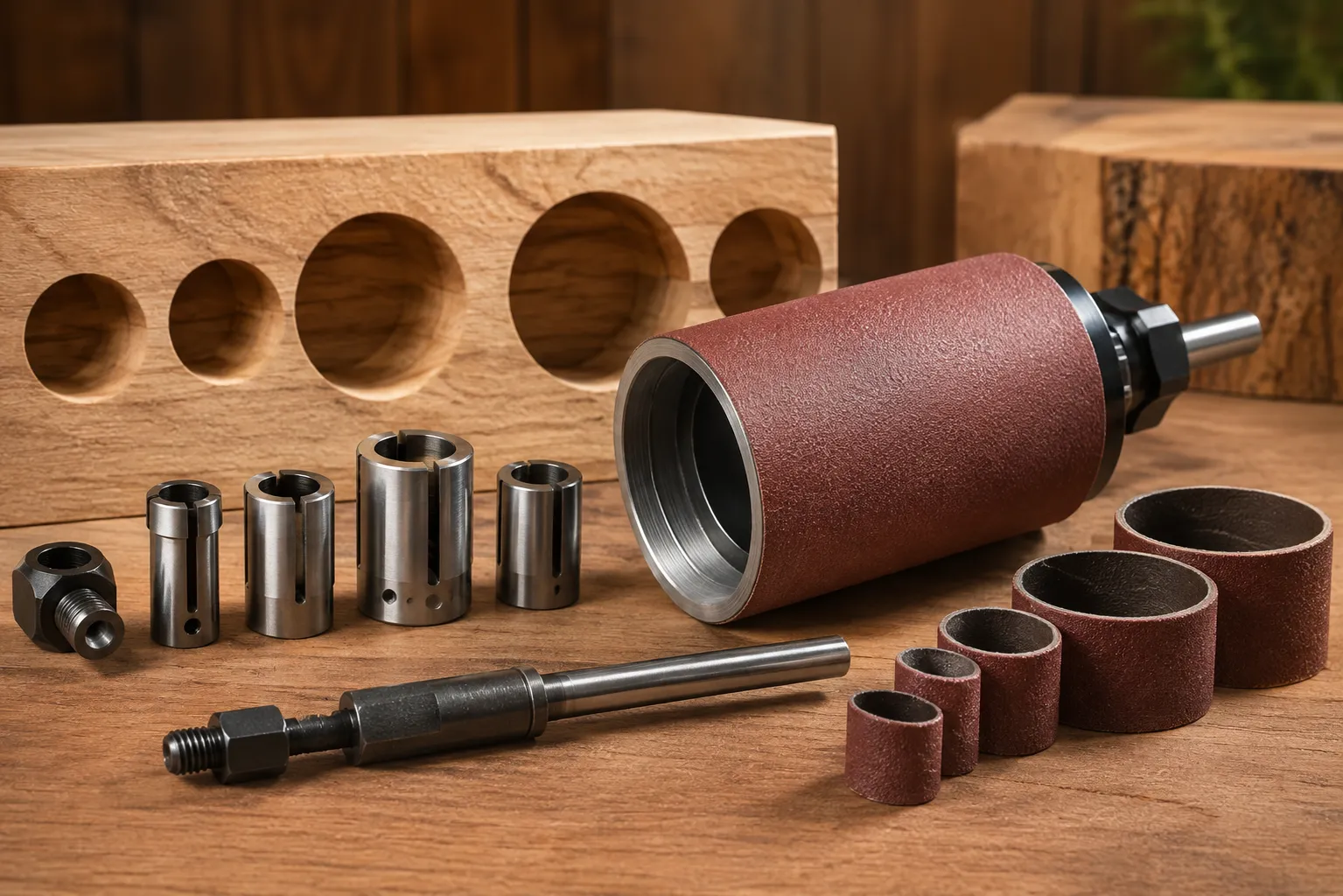

Modern woodturning continues to evolve as turners look for practical ways to save valuable timber, improve workflow, and achieve cleaner finishes. Two areas receiving particular attention are efficient bowl coring and fine abrasive technology. The combination of an oneway coring system & micromesh sanding pads creates a useful workflow for turners who want to get more from each blank while spending less time correcting surface imperfections.
Why Efficient Bowl Coring Matters
A large bowl blank can contain enough material for more than one finished project. Traditional hollowing removes the center as shavings, which can mean losing useful wood. A coring system changes that approach by cutting a smaller bowl from the interior of a larger blank. The Oneway Easy-Core system available through Vince’s Wood N Wonders is designed around this concept, helping turners recover additional bowl blanks instead of sending all that material to the floor.
Premium hardwood, figured timber, and large natural-edge blanks can be expensive or difficult to replace. Creating nested bowls from one blank can therefore make a project more economical. Coring can also reduce the amount of material that must be removed during subsequent hollowing, helping make the overall process more efficient.
Planning the Blank Before Coring
Good results begin before the cutter touches the wood. A turner should examine the blank for defects, grain direction, cracks, bark inclusions, and mounting requirements. The intended bowl sizes should also be considered so the cores leave enough wall thickness for safe turning and later refinement.
Secure mounting is essential. A stable chuck and properly prepared blank help control vibration during turning and coring. Sharp, suitable tools and correct machine setup also matter. As with any lathe operation, follow the manufacturer’s instructions, use appropriate personal protective equipment, and keep clear of the rotating workpiece.
After coring, each recovered blank can become a separate project.
From Rough Shape to Refined Surface
Once a bowl has been turned to its intended shape, sanding becomes the next major stage. The quality of the sanding process has a direct effect on the final appearance. Scratches left by coarse abrasives can remain visible beneath finish, especially on light-colored woods, figured grain, resin, or polished surfaces.
A progressive grit sequence is therefore more important than simply choosing the highest grit available. Each stage should remove the scratches created by the previous stage without unnecessarily skipping abrasive steps. Patience at the lower and middle grits often makes the final polishing stages much faster.
Where Micro-Mesh Fits Into the Process
Micromesh sanding pads are particularly useful during fine finishing. Vince’s Wood N Wonders offers Micro-Mesh variety packs for woodturning with grits ranging from 1500 through 12000. The pads are designed for detailed sanding and polishing and can conform well to curved surfaces. The product range includes soft-touch foam-backed pads as well as hook-and-loop discs for compatible sanding systems.
These very fine abrasives are best viewed as part of a finishing sequence. Once the surface is already smooth and the deeper scratches have been removed, Micro-Mesh can help refine the surface and create a cleaner, more polished appearance.
Using a Controlled Sanding Progression
Begin with an abrasive appropriate to the existing surface, then move through progressively finer grits. Clean the workpiece between stages so loose abrasive particles do not introduce unwanted scratches. Avoid pressing too aggressively, particularly at higher grits, because excessive pressure can generate heat and reduce control.
For bowls and curved forms, flexible or foam-backed abrasives can be helpful because they follow the contour of the surface. Micro-Mesh Soft Touch pads are designed for this type of controlled hand sanding. Their flexibility can make it easier to work around curves, details, and difficult areas without forcing a rigid abrasive against the wood.
Low-Speed Finishing and Heat Control
Fine sanding requires attention to speed and heat. Higher-grit abrasives can polish rather than aggressively cut, so controlled lathe speeds and light pressure are important. Vince’s Wood N Wonders specifically recommends sanding at very slow speeds with higher-grit Micro-Mesh abrasives to help prevent heat buildup.
Heat can affect both wood and finishing materials. It can also make sanding less comfortable and may cause an abrasive to load prematurely. Using light pressure, allowing the abrasive to work, and pausing when necessary can produce more consistent results.
A Complete Workflow for Better Bowls
The real advantage comes from combining efficient material use with a disciplined finishing process. Start by selecting and securely mounting a suitable blank. Plan the desired bowl dimensions, use the coring system according to its instructions, and save the recovered cores for additional projects. Turn each bowl carefully, refine the shape with sharp tools, and establish a clean surface before beginning fine sanding.
Once the surface is ready, progress through the appropriate abrasive stages. Use flexible sanding accessories where curves require additional control, then introduce Micro-Mesh at the fine-finishing stage. The result is a workflow that addresses both sides of the project: making better use of the original wood and improving the quality of the finished surface.
Building a More Efficient Woodturning Workflow
Today’s woodturner has access to specialized equipment for nearly every stage of the process. Vince’s Wood N Wonders carries Oneway products, Micro-Mesh pads and discs, sanding accessories, hook-and-loop abrasives, backup pads, sharpening products, and other woodturning tools.
The goal is not simply to collect more tools. The better approach is to choose equipment that solves specific workshop problems: reducing wasted material, improving control, making sanding more predictable, or achieving a finer surface with less frustration.
Final Thoughts
The combination of an oneway coring system & micromesh sanding pads represents two practical improvements in modern bowl turning. Coring focuses on efficiency by helping turners recover additional projects from a valuable blank, while Micro-Mesh focuses on refinement by supporting the final stages of surface preparation and polishing.


























Sign in to leave a comment.