

Eczema can make even the simplest parts of the day uncomfortable. A sleeve rubbing against your arm, a hot shower, or trying to fall asleep with itchy skin can become frustrating when your skin feels dry, irritated, or inflamed. Some days, the symptoms may be mild. On others, the itching and redness can interfere with sleep, work, school, and everyday activities.
Finding the right way to manage eczema often takes patience. Different people react to different triggers, and a product that works well for one person may irritate someone else. This is why understanding your skin and receiving appropriate medical guidance are important steps towards better symptom management.
An online eczema treatment consultation offers a convenient way to discuss your symptoms with a healthcare professional without travelling to a clinic. Through a virtual appointment, you may be able to explain what your skin feels like, show visible changes using your camera, review products you currently use, and discuss suitable treatment options.
Although an online appointment cannot replace every type of in person examination, it can be a practical starting point for people who need advice about recurring itching, dryness, redness, and other possible signs of eczema.
What Is Eczema, and Why Does It Keep Coming Back?
Eczema is a term used for a group of skin conditions that cause inflammation, dryness, and itching. Atopic dermatitis is one of the most common forms. It can affect children and adults, although the appearance and location of symptoms may differ from person to person.
To understand eczema, imagine your skin as a protective wall around your body. The outer layer helps keep moisture inside while protecting you from substances in the surrounding environment. When this protective layer does not work as effectively as it should, the skin may lose moisture more easily and become more sensitive to irritants.
As a result, everyday things such as soaps, fragrances, sweat, or certain fabrics may cause discomfort. The skin can become itchy, and scratching can make the irritation worse.
Eczema often follows a pattern of flare ups and calmer periods. During a flare, the skin may become more inflamed, rough, or uncomfortable. At other times, symptoms may settle considerably.
This changing pattern can make eczema difficult to manage without a clear plan. Rather than focusing only on the visible rash, effective care considers the condition of the skin, possible triggers, symptom severity, and the treatments that have already been tried.
Common Signs That May Suggest Eczema
Eczema does not look exactly the same in everyone. Its appearance can also change depending on a person's age, skin tone, and the part of the body affected.
Common symptoms include:
- Persistent itching: The urge to scratch may become particularly troublesome at night or during periods of stress.
- Dry or rough skin: Areas may feel tight, flaky, or uncomfortable, even after applying moisturiser.
- Redness or darker patches: Inflamed skin may appear red, purple, brown, grey, or darker than the surrounding area, depending on skin tone.
- Cracked skin: Severe dryness can cause small splits that sting or bleed.
- Thickened skin: Repeated scratching may make certain areas feel rougher or thicker over time.
- Oozing or crusting: Some flare ups can produce fluid, although these symptoms may also indicate infection and deserve medical attention.
Eczema commonly affects the hands, face, neck, arms, and areas behind the knees or inside the elbows. However, it can appear in other locations too.
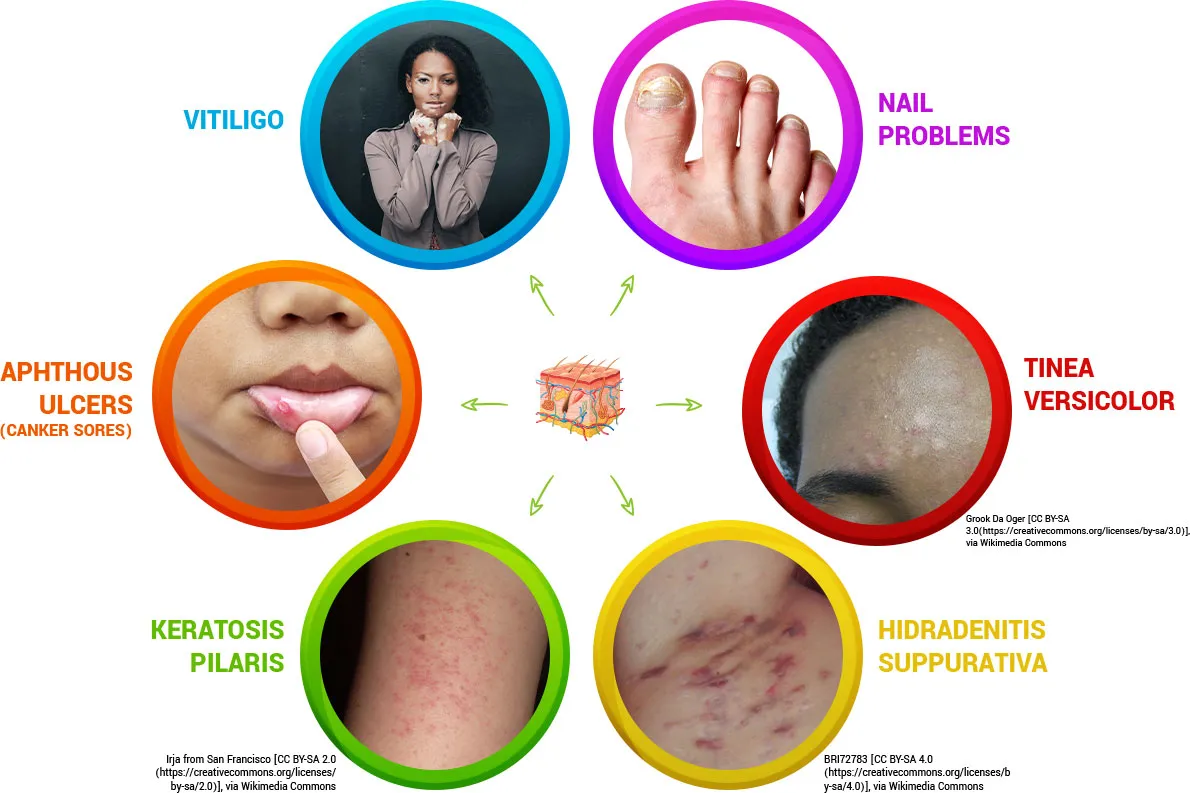
These signs do not automatically confirm eczema. Other skin conditions, including contact dermatitis, psoriasis, fungal infections, and certain allergic reactions, can produce similar symptoms. A medical professional can help determine what may be causing the problem and whether further examination is necessary.
How a Virtual Appointment Can Help You Understand Your Skin
Skin problems can be difficult to explain when you are dealing with them every day. You may know that your hands feel unusually dry or that an itchy patch keeps returning, but you might not know what information a healthcare professional needs.
A virtual appointment creates an opportunity to discuss these details in an organised way.
Describe the pattern behind your symptoms
A healthcare professional may ask when the problem first appeared, which areas are affected, whether the symptoms come and go, and what seems to make them better or worse.
For example, suppose your hands become irritated after washing dishes. The timing may help identify a possible connection with detergents, repeated exposure to water, or protective gloves. It does not prove the cause, but it gives the professional useful information to investigate.
You may also be asked about previous skin conditions, allergies, medicines, and treatments you have tried.
Show visible changes through your camera
A clear image or live video may help a professional assess the appearance and distribution of a rash. Good lighting can make a difference, particularly when the affected area is small or the colour change is subtle.
However, camera images have limitations. Lighting, image quality, and skin tone can affect how a rash appears on screen. Some findings require an in-person examination, a skin sample, or another form of testing.
If the appearance of your skin is unclear during the appointment, the professional may recommend a face-to-face assessment rather than making assumptions.
Discuss what you have already used
Have you tried a thick cream, a fragrance free moisturiser, an over the counter product, or a prescribed medicine? Sharing this information helps a professional understand what has and has not worked.
It is also useful to mention products that caused stinging, burning, or increased redness. Keep the packaging or take photographs of the ingredient lists if you can.
This approach can prevent you from repeatedly trying similar products without understanding why your skin continues to react.
What Happens During an Online Eczema Consultation?
The exact process depends on the provider and the complexity of your symptoms. Most appointments begin with a discussion rather than immediately moving to a treatment recommendation.
First, the healthcare professional gathers information about your medical history and current concerns. You may be asked about the location of the rash, how long it has been present, whether itching affects your sleep, and whether other family members have experienced similar skin problems.
Next, the professional may review photographs or examine the affected area through video. They will consider whether the visible changes are consistent with eczema or whether another condition needs to be investigated.
If eczema appears likely, the discussion may turn to practical ways of reducing irritation, protecting the skin, and treating inflammation. Depending on your symptoms and the provider's assessment, this could include advice about moisturisers, suitable washing habits, prescribed medicines, or avoiding specific irritants.
You should also have an opportunity to ask questions. If you do not understand how to use a product or when to seek further care, ask for clear instructions.
A useful consultation should leave you with a better understanding of the next steps, not simply a list of products to purchase.
Building a Skin Care Routine That Supports Eczema Management
When eczema is active, a complicated skin care routine can introduce more opportunities for irritation. A simpler approach is often easier to maintain, although the right routine depends on your skin and medical advice.
Choose moisturisers that protect the skin
Moisturisers help reduce water loss and make dry skin feel more comfortable. Creams and ointments are often useful for eczema because they can provide a stronger moisture barrier than lighter lotions.
Look for products that are fragrance free, rather than relying only on labels such as natural or botanical. Plant based ingredients can still irritate sensitive skin.
Applying moisturiser regularly, particularly after bathing while the skin is still slightly damp, can help preserve moisture. If a product consistently causes burning or worsening irritation, stop using it and discuss the reaction with a healthcare professional.
Keep bathing habits gentle
Very hot water may worsen dryness for some people. A comfortably warm shower or bath, followed by gentle drying and moisturising, is often a better approach.
Avoid scrubbing inflamed areas with rough cloths or exfoliating products. Skin affected by eczema may already have a weakened protective layer, so extra friction can add to the irritation.
Use a mild cleanser where needed and avoid strongly fragranced soaps, body washes, and sprays if they aggravate your symptoms.
Pay attention to possible triggers
Triggers are not identical for everyone. Common irritants include fragrances, harsh cleaning products, rough fabrics, sweat, and frequent handwashing. Heat, stress, or changes in weather may also worsen symptoms for some people.
Keeping a brief record of flare ups can help reveal patterns. Note when symptoms appear, which products you used, and whether you experienced unusual heat, sweating, or contact with cleaning agents.
Think of this record as a detective's notebook. One observation may not tell you much, but several repeated patterns can provide useful clues.
Avoid eliminating large groups of foods or making major dietary changes solely because you suspect they are connected to eczema. Food allergies and eczema can sometimes be related, but the connection is not the same for everyone. Seek appropriate medical advice before making restrictive changes, especially for children.
Treatment Options May Depend on Your Symptoms
There is no single treatment that works for every person with eczema. A suitable plan depends on the affected areas, how severe the inflammation is, how frequently flare ups occur, and whether other health concerns are present.
Moisturisers and barrier care
Regular moisturising is an important part of managing dry skin. It can help support the skin's protective layer and reduce discomfort between flare ups.
However, moisturiser alone may not be enough when inflammation is significant. A healthcare professional can help determine whether additional treatment is needed.
Medicines that reduce inflammation
Depending on the diagnosis and severity, a clinician may recommend a topical corticosteroid or another prescription treatment. These medicines can help control inflammation and itching, but the choice of product, strength, application area, and duration should be appropriate for the individual.
The skin around the eyes, face, and skin folds can require particular care because some medicines may be unsuitable for prolonged use in these areas.
Follow the instructions provided by your healthcare professional. Do not use someone else's prescription or assume that a medicine suitable for one body area is appropriate for another.
Treatment for persistent or more severe eczema
When symptoms are widespread, repeatedly return, or fail to improve with standard care, additional treatment options may be considered. Depending on the circumstances, these may include other prescription medicines, injectable treatments, or light-based treatment supervised by an appropriate specialist.
Not every option is suitable for every patient, and some treatments require monitoring. A virtual consultation may help determine whether further assessment or specialist care is appropriate.
Is Online Care Suitable for Every Eczema Flare Up?
Virtual care can be useful for discussing recurring symptoms, reviewing an existing treatment plan, and seeking guidance about common skin concerns. It is particularly convenient for people who have difficulty travelling or who want to discuss their symptoms from home.
Nevertheless, there are situations where an online appointment may not provide enough information.
A new rash with an uncertain cause may need a physical examination. A clinician may also need to arrange tests if the appearance is unusual or the symptoms do not respond as expected.
Seek prompt medical attention if your skin becomes increasingly painful, hot, swollen, or rapidly worse. Pus, spreading redness, or fever may indicate an infection that needs urgent assessment.
Eczema accompanied by a sudden outbreak of painful blisters or small, similar looking sores, particularly with fever or feeling unwell, can indicate a serious complication. Seek urgent medical care rather than waiting for a routine virtual appointment.
If you experience difficulty breathing or swelling of the tongue or throat, seek emergency medical help immediately.
Understanding these limits is an important part of choosing virtual care safely. Online treatment should make appropriate care easier to access, not delay necessary examination.
How to Prepare for Your Appointment
You do not need an elaborate preparation routine. A few practical steps can make the conversation more productive.
Take photographs before the appointment. If your eczema tends to improve and worsen throughout the day, photographs can show changes that are not visible during the consultation. Take clear pictures in natural or even lighting without filters.
Write down your symptoms. Record when the rash began, where it appears, and whether itching interferes with sleep or daily activities. Mention any pain, cracking, bleeding, or fluid.
Gather your product information. Make a list of creams, cleansers, medicines, and other treatments you currently use. Include how often you apply them and whether they help.
Prepare your questions. You might want to know how to manage flare ups, which moisturiser may be appropriate, how to use a prescribed treatment, or when you should arrange an in-person examination.
Check your appointment details. Confirm that you know how to access the video call and whether you need to submit photographs or medical information beforehand.
These simple preparations help you provide specific information, making it easier to discuss a plan that fits your circumstances.
Finding the Right Professional for Eczema Advice
Choosing a healthcare professional involves more than finding the earliest available appointment. You should be able to understand their qualifications, the services they provide, and the circumstances in which they recommend an in-person assessment.
Ask how follow up appointments are handled, how prescriptions are managed where applicable, and what you should do if your symptoms worsen after the consultation.
If you are considering an appointment with Dr. Julie Greenberg, review the provider's current official information to confirm the available services, professional qualifications, and suitability of virtual care for your particular concern. Dr. Greenberg may be a point of contact for people researching online skin care guidance, but the appropriate next step depends on the provider's actual services and an assessment of your symptoms.
A good professional relationship should make it easier to discuss concerns openly. You should feel comfortable explaining that a treatment has not worked, asking why a particular option is recommended, and requesting clarification whenever instructions are unclear.
Managing Expectations and Tracking Progress
Eczema management is often a process of adjustment rather than a one-time fix. Symptoms may improve, return, and change in response to environmental conditions or other factors.
For this reason, it can be helpful to track progress using practical measures. Instead of looking only at the colour of a rash, notice whether you scratch less often, sleep more comfortably, experience fewer cracks, or find everyday tasks easier.
If a treatment does not help as expected, tell your healthcare professional rather than continuing indefinitely without guidance. The diagnosis may need to be reviewed, the treatment plan adjusted, or another contributing factor investigated.
Consistency matters, but it should not mean ignoring worsening symptoms. A plan should be reviewed when it is not providing the expected benefit or when new concerns appear.
Conclusion
Living with eczema can be frustrating, particularly when itching and dryness interrupt ordinary activities. Understanding what aggravates your skin, choosing suitable moisturising products, and following an appropriate treatment plan can help make the condition more manageable.
A virtual consultation provides an accessible way to discuss symptoms, review your current routine, and explore possible treatment options. It can also help you recognise when an in-person examination or further testing is necessary.
The most useful approach is one that considers your individual symptoms instead of relying on a universal skin care routine. With clear guidance, careful observation, and appropriate follow up, you can take practical steps towards better skin comfort and more confident eczema management.



















Sign in to leave a comment.