Optimizing Multi Blanking Lines for Better Metal Manufacturing Results

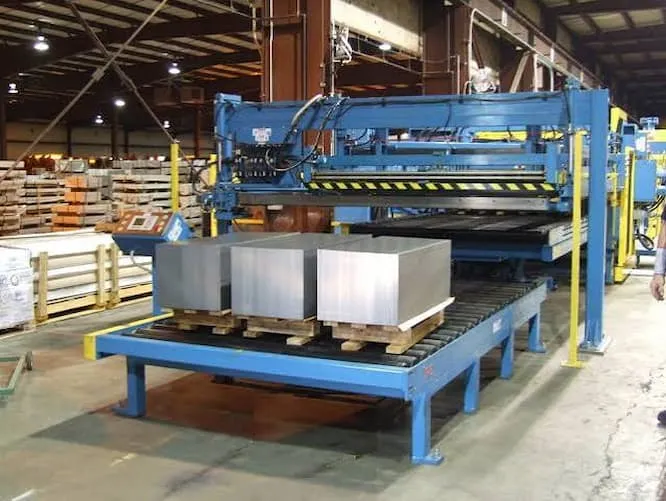
Modern metal manufacturing requires equipment that can produce accurately sized sheets while maintaining consistent quality and dependable production rates. Manufacturers often need to process wide metal coils into multiple blanks that meet different dimensional requirements. multi blanking lines provide an effective solution by combining coil handling, leveling, feeding, measuring, and cutting operations within one coordinated system. These lines allow manufacturers to produce several sheet sizes from incoming coil material, helping improve material utilization and production flexibility. Their performance directly influences sheet accuracy, manufacturing efficiency, and the quality of finished components.
Essential Components of Multi Blanking Lines
Coil Loading and Material Feeding
The process begins with loading the metal coil onto suitable handling equipment. Since coils can be heavy, the loading arrangement must provide stable positioning and controlled movement into the production line. An uncoiler releases the material at a consistent rate, while feeding equipment guides it toward the leveling section. Proper alignment helps prevent unnecessary movement and supports accurate processing. Manufacturers should evaluate coil weight, inside diameter, outside diameter, and material width when selecting loading equipment. These factors help ensure that the system can accommodate the materials used in regular production.
Leveling for Consistent Sheet Quality
Leveling improves the flatness of metal material before it moves toward the cutting section. Coiled materials may retain curvature or internal stresses that can affect sheet quality and create difficulties during fabrication. Leveling equipment uses a series of rollers to apply controlled pressure and improve material flatness. The roller arrangement and adjustment range should match the thickness and strength of the incoming metal. Consistent leveling supports better sheet handling and helps reduce dimensional or surface concerns. Manufacturers should consider their material range when determining the appropriate leveling capacity.
Accurate Feeding and Cutting
After leveling, the material moves through the feeding and measuring sections before reaching the cutting mechanism. Accurate feeding ensures that the required sheet lengths are maintained throughout production. The cutting system then separates the material into blanks according to the selected dimensions. Reliable coordination between feeding speed and cutting movement is essential for maintaining repeatable results. Manufacturers should evaluate cutting capacity, required sheet sizes, and production volume when selecting equipment. Properly configured cutting systems help reduce dimensional variations and unnecessary material waste.
Factors That Improve Multi Blanking Performance
Matching Equipment to Material Specifications
Material characteristics influence how a blanking line should be configured. Different grades of steel, aluminum, and other metals vary in thickness, strength, and flexibility. These differences affect feeding pressure, leveling adjustments, and cutting requirements. Manufacturers should identify the complete range of materials they expect to process before choosing equipment. Maximum and minimum thickness, coil width, and sheet dimensions should all be considered. Reviewing sheet metal coil processing materials can help production teams understand how material properties influence processing decisions.
Maintaining Dimensional Accuracy
Accurate sheet dimensions are important for manufacturing components that require precise fitting and assembly. Variations in sheet length or width can create difficulties during downstream fabrication and may increase corrective work. Proper measuring systems, consistent feeding, and suitable cutting adjustments help maintain repeatable dimensions. Operators should verify machine settings when changing material specifications or production requirements. Regular inspection of finished blanks can identify problems before they affect larger quantities. Maintaining dimensional accuracy supports dependable product quality and helps manufacturers reduce unnecessary material consumption.
Improving Material Utilization
Material utilization is an important consideration because unnecessary scrap can increase manufacturing costs. Multi blanking arrangements can help manufacturers plan different sheet sizes from available coil widths, depending on equipment capabilities and product requirements. Suitable cutting patterns and production planning may reduce unused material while supporting varied manufacturing orders. Accurate measurements also help prevent errors that lead to rejected blanks. Manufacturers should evaluate material requirements before production begins and establish suitable settings for each job. Efficient planning can improve the value obtained from incoming coils without compromising sheet quality.
Automation and Production Coordination
Automation can improve coordination between material feeding, leveling, measuring, and cutting operations. Integrated controls help operators manage production settings and maintain consistent operating sequences. Automated functions may also reduce repeated manual adjustments when manufacturers switch between different sheet dimensions. Monitoring systems can provide information about production conditions and help identify variations that require attention. These capabilities support organized manufacturing operations and can reduce avoidable interruptions. Manufacturers exploring broader process improvements can review automated metal processing systems to understand how connected equipment supports production coordination.
Production layout also influences the performance of a multi blanking system. Coil storage, loading equipment, conveyors, blank stacking arrangements, and downstream fabrication machinery should be positioned to support smooth material movement. Poorly planned layouts may create unnecessary handling and delays between processing stages. Manufacturers should assess available floor space, lifting equipment, operator access, and maintenance requirements before installation. A suitable layout can help reduce material movement while making production activities easier to manage. Planning for future product changes can also improve the long term usefulness of the equipment.
Maintaining Safety and Equipment Reliability
Multi blanking lines handle heavy coils and large sheets, making workplace safety an essential consideration. Appropriate guarding, emergency stop controls, safe loading procedures, and clear operating instructions help protect workers during production. Operators should receive training on equipment controls, material handling, and emergency procedures before using the system. Facilities should also establish safe methods for removing scrap and stacking finished blanks. Reviewing metal processing safety practices can help manufacturers identify important precautions for their production environments.
Regular maintenance supports consistent equipment performance and reduces the risk of unexpected interruptions. Rollers, bearings, shafts, feeding components, drives, and cutting mechanisms should be inspected according to operating requirements. Worn components may affect material alignment, sheet accuracy, or cutting quality. Maintenance teams should monitor unusual vibration, noise, and changes in production results. Keeping service records helps identify recurring problems and plan inspections. Preventive maintenance can support longer equipment life and help manufacturers maintain dependable production schedules.
Selecting the Right Multi Blanking Solution
Choosing suitable equipment requires a detailed review of manufacturing requirements. Important factors include material thickness, coil width, coil weight, sheet dimensions, cutting accuracy, and expected production volume. Manufacturers should also consider the variety of blanks they need to produce and whether the equipment can accommodate future changes. Available floor space and connections with existing machinery may influence the final configuration. Reviewing metal processing with cut to length and multi blanking lines can provide additional information when comparing processing capabilities and planning equipment investments.
Conclusion
Multi blanking operations help manufacturers produce accurately sized sheets while supporting flexible production requirements. Reliable coil handling, effective leveling, precise feeding, accurate cutting, and coordinated automation all contribute to consistent results. Manufacturers can improve performance by matching equipment to material specifications, planning production carefully, and following regular maintenance procedures. A suitable configuration can reduce unnecessary waste, improve workflow, and support dependable manufacturing operations. Red Bud Industries provides coil processing expertise and equipment solutions that can help manufacturers evaluate their production needs and improve their metal processing capabilities.




Sign in to leave a comment.