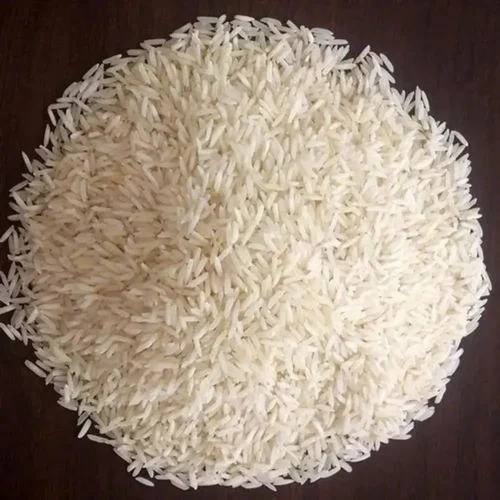
Living with diabetes can be a daily challenge. From monitoring blood sugar levels to making the right food choices, everything matters. One of the biggest concerns for people with diabetes is what kind of rice they can eat—especially since rice is a staple food in many households. That’s where organic diabetic rice comes in.
If you're looking for a natural, healthier alternative to regular rice, this might be exactly what you need. In this blog, we’ll explain what organic diabetic rice is, how it helps control blood sugar, and why it's becoming a smart choice for people with diabetes.
What is Organic Diabetic Rice?
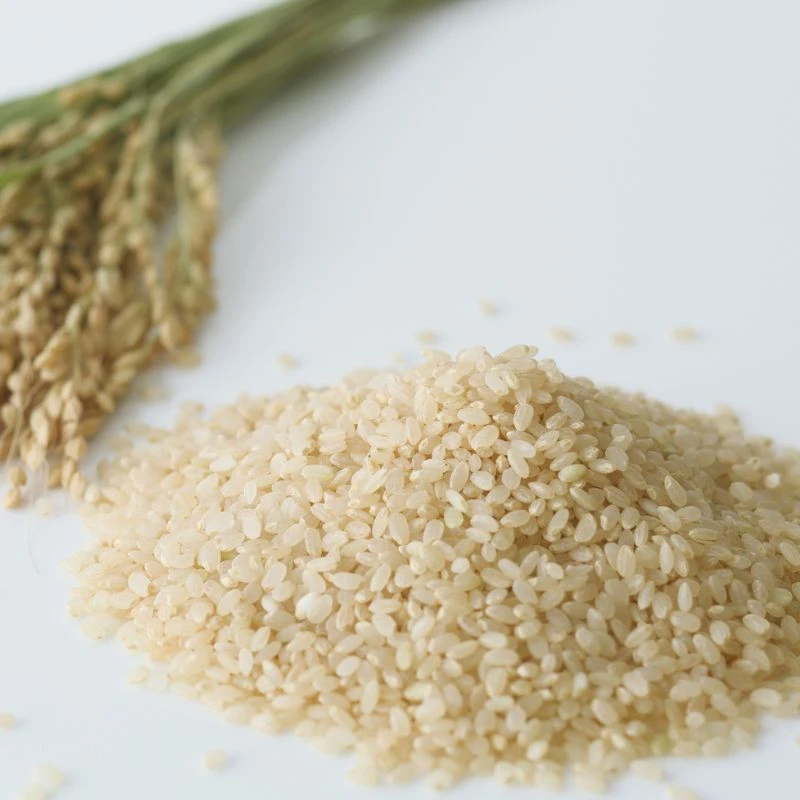
Organic diabetic rice is a type of rice specially grown and selected to help manage blood sugar levels. It’s often made from traditional, slow-digesting varieties of rice that are high in fiber and low on the glycemic index (GI). Most of the time, this rice is also grown without harmful pesticides or chemicals—hence the word organic.
Unlike white rice, which is quickly broken down into sugar in your body, organic diabetic rice is digested slowly. That means it doesn’t cause a sudden spike in blood sugar, making it safer for diabetics to enjoy.
Why Regular White Rice Isn’t Ideal for Diabetics
White rice is polished and processed, which removes most of its fiber and nutrients. This makes it high on the glycemic index. Foods that are high-GI cause rapid increases in blood sugar levels, which is risky for people with diabetes.
Here’s why white rice can be a problem:
- Low fiber: Less fiber means faster digestion and quicker sugar absorption.
- High GI score: It raises blood sugar quickly.
- Less nutrition: Most nutrients are stripped during processing.
This doesn’t mean you have to give up rice completely. You just need to switch to a better kind—like organic diabetic rice.
Benefits of Organic Diabetic Rice
Let’s look at some reasons why organic diabetic rice is gaining popularity among diabetics and health-conscious people:
1. Helps Maintain Blood Sugar Levels
The biggest benefit is its low glycemic index. This means it releases glucose slowly into the bloodstream, helping to avoid sugar spikes.
2. Rich in Fiber
Organic diabetic rice usually contains more fiber, which aids digestion and helps you feel full longer. Fiber also helps slow down the absorption of sugar.
3. Chemical-Free and Natural
Because it’s organic, you don’t have to worry about pesticides, synthetic fertilizers, or other harmful chemicals.
4. Better Nutritional Profile
It often contains more vitamins, minerals, and antioxidants than regular rice. This makes it a healthier option not just for diabetics but for everyone.
5. Supports Weight Management
Eating high-fiber, low-GI foods like organic diabetic rice can help with weight loss or maintaining a healthy weight—something very important for people managing type 2 diabetes.
Types of Organic Diabetic Rice
Several types of rice are marketed as diabetic-friendly. These include:
- Hyper Rice: Hyper Rice by RealNutriCo: White Rice rich in Protein, Fiber, Vitamins & Minerals. More nutritious alternative to millets for the whole family. Shop now
- Black rice (Forbidden rice): Rich in antioxidants and fiber.
- Red rice: High in magnesium and iron.
- Low GI basmati rice: Has a lower glycemic index compared to normal white rice.
- Traditional native varieties: Some ancient grains from India, like Mappillai Samba or Kullakar, are naturally low-GI and highly nutritious.
Make sure you choose certified organic diabetic rice to get the best quality and health benefits.
How to Cook Organic Diabetic Rice
Cooking it is just as easy as cooking regular rice. Here are some tips:
- Soak: Soaking the rice for 30 minutes to an hour helps reduce cooking time and improves digestibility.
- Use less water: Organic rice may require slightly less water than white rice, depending on the variety.
- Avoid overcooking: Overcooked rice becomes mushy and may raise the glycemic index slightly.
- Pair it well: Eat it with high-protein or fiber-rich foods like lentils, vegetables, or lean meat to keep your meals balanced.
What to Look for When Buying Organic Diabetic Rice
Here’s what you should check:
- Certified Organic Label: Look for trusted certifications like USDA Organic, India Organic, or ECOCERT.
- Low Glycemic Index Info: Reputable brands often share this on the packaging.
- Whole grain: Always pick whole grain over polished rice.
- No additives: Make sure it has no added sugar or preservatives.
Real-Life Impact
Many people with diabetes have found relief by simply switching their regular rice with organic diabetic rice. They notice better sugar control, improved digestion, and even some weight loss. It’s not a miracle cure, but it’s definitely a smart step in a healthier direction.
Final Thoughts
If you’re diabetic or just trying to eat healthier, organic diabetic rice can be a game-changer. It’s safe, natural, and helps manage blood sugar without making you give up on the comfort of rice. After all, food is about joy—and no one wants to give that up, even when living with diabetes.
So next time you’re shopping, try adding a bag of organic diabetic rice to your cart. Your body will thank you for it.

























Sign in to leave a comment.