
Maintaining the outside of a property involves more than keeping the lawn short. Grass, gardens, fences, walkways, driveways, trees, and outdoor structures all require attention at different times of the year. Without a regular routine, small tasks can quickly turn into a much larger cleanup.
A practical outdoor property maintenance plan helps homeowners and property managers organize these responsibilities according to the season, property size, and actual condition of the outdoor space.
Why Outdoor Maintenance Matters
Outdoor areas are exposed to changing weather throughout the year. Rain, snow, wind, sunlight, and temperature changes can gradually affect landscaping and exterior features.
Regular maintenance can help keep the property:
- Clean
- Accessible
- Organized
- Presentable
- Easier to inspect
It also provides an opportunity to notice problems before they require more extensive work.
Start With a Property Inspection
A simple walk around the property can reveal what needs attention.
Check:
- Lawn condition
- Garden beds
- Trees and shrubs
- Fences
- Gates
- Walkways
- Driveways
- Drainage
- Outdoor structures
Look for changes rather than trying to identify every possible issue at once.
Lawn Mowing
Grass is one of the most visible parts of an outdoor property.
Regular mowing keeps the lawn at a manageable height and makes the surrounding property look more organized.
Mowing frequency depends on:
- Grass type
- Temperature
- Rainfall
- Sunlight
- Soil moisture
- Season
A rigid weekly schedule isn't necessarily appropriate throughout the year.
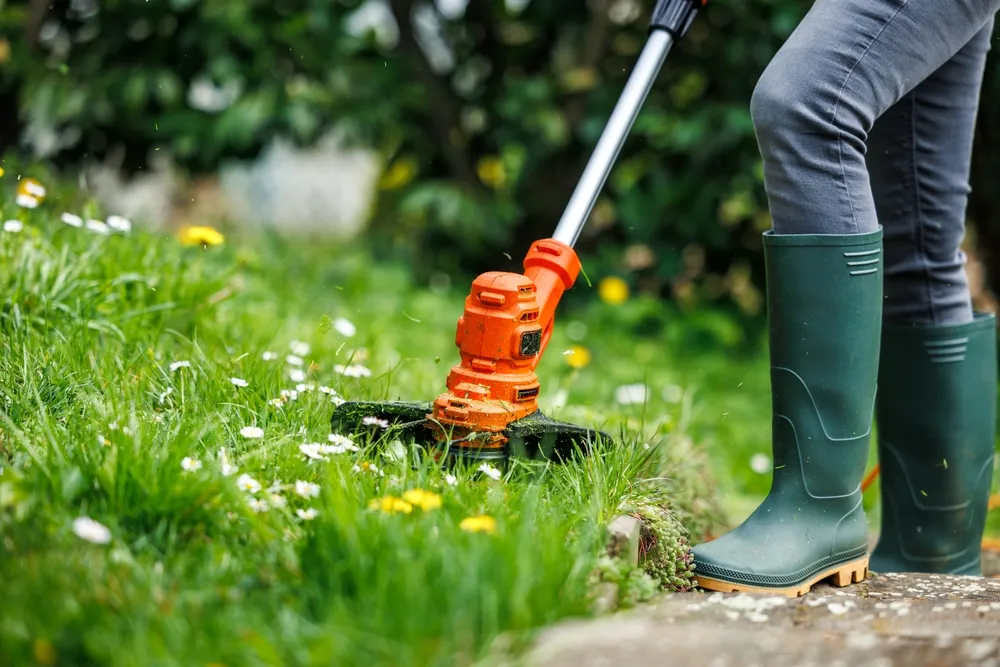
Trimming and Edging
A mower cannot reach every part of a lawn.
Grass around trees, fences, garden beds, buildings, and walkways may need additional trimming.
Edging can also create a cleaner boundary between grass and hard surfaces.
These finishing tasks can make a noticeable difference to the overall appearance of the lawn.
Garden Maintenance
Garden beds need periodic attention as plants grow and seasons change.
Maintenance can include:
- Removing weeds
- Clearing debris
- Trimming plants
- Maintaining mulch
- Removing dead vegetation
The appropriate schedule depends on the plants and existing landscaping design.
Hedge and Shrub Care
Hedges and shrubs can grow quickly during warmer months.
Regular trimming can help maintain their:
- Shape
- Height
- Clearance
- Appearance
Different plants have different pruning requirements, so trimming should be based on the specific vegetation.
Fence Inspection
Fences remain exposed to weather throughout the year.
Inspect for:
- Loose boards
- Damaged posts
- Leaning sections
- Loose hardware
- Worn hinges
- Gate problems
Some issues may be repairable without replacing the entire fence.
Driveway and Walkway Cleaning
Outdoor hard surfaces can collect dirt, leaves, mud, and other debris.
Regular sweeping can help keep these areas manageable.
More thorough cleaning may occasionally be appropriate depending on the material and amount of buildup.
Always use a cleaning method suitable for the surface.
Drainage Checks
Drainage is an important part of outdoor maintenance.
Look for:
- Persistent puddles
- Saturated lawn
- Blocked drainage areas
- Water collecting near buildings
If the same area repeatedly becomes wet, the underlying cause should be investigated.
Adding new grass without addressing a drainage problem may not solve the issue.
Spring Maintenance
Spring is an ideal time to inspect the property after winter.
Tasks can include:
- Removing winter debris
- Checking fences
- Inspecting trees
- Clearing garden beds
- Assessing the lawn
- Checking drainage
Once temperatures and soil conditions become suitable, regular lawn maintenance can begin.
Summer Maintenance
Summer generally brings active grass and plant growth.
Depending on weather conditions, maintenance may include:
- Mowing
- Trimming
- Edging
- Hedge maintenance
- Garden care
- Watering
During particularly hot or dry periods, lawn conditions should be monitored rather than relying on a fixed routine.
Fall Maintenance
Fall brings leaves and other organic debris.
Regular removal helps keep:
- Lawns
- Garden beds
- Walkways
- Driveways
- Drainage areas
clear throughout the season.
Waiting until all leaves have fallen can make the final cleanup considerably larger.
Winter Preparation
Before winter, inspect outdoor features such as:
- Fences
- Gates
- Walkways
- Trees
- Drainage
- Outdoor structures
Address obvious maintenance issues before severe weather makes access more difficult.
Residential Properties
A residential property may need a combination of lawn care, landscaping, fencing, and seasonal cleanup.
The routine should reflect how the property is used.
A home with children, pets, or frequent outdoor activity may experience more lawn wear than a property that receives little outdoor traffic.
Commercial Properties
Commercial properties often need consistent outdoor presentation.
Maintenance may cover:
- Building entrances
- Lawns
- Landscaping
- Walkways
- Parking areas
- Fences
Scheduling should take employees, customers, tenants, deliveries, and business operations into account.
Rental Properties
Landlords and property managers may arrange maintenance for shared outdoor areas.
These can include:
- Common lawns
- Walkways
- Entrances
- Garden areas
- Fences
- Shared outdoor spaces
Responsibilities should be clearly established between property owners, tenants, and maintenance providers.
Preventive Maintenance
Preventive maintenance focuses on identifying changes early.
For example, a loose fence board can be repaired before more sections become damaged.
Similarly, a drainage issue can be investigated before repeated water accumulation affects a larger area.
Regular inspections can therefore make outdoor maintenance more predictable.
Creating a Maintenance Schedule
A simple schedule can divide tasks by frequency.
Weekly
- Mowing
- Basic lawn inspection
- Debris removal
Monthly
- Fence and gate checks
- Trimming
- Outdoor cleaning
Seasonally
- Spring cleanup
- Summer landscaping
- Fall leaf removal
- Winter preparation
As Required
- Fence repairs
- Sod replacement
- Pressure washing
- Drainage work
The schedule should remain flexible according to weather and property conditions.
When Professional Help Makes Sense
Professional maintenance can be useful when:
- The property is large
- Several outdoor services are required
- Equipment isn't available
- Seasonal cleanup is extensive
- Regular maintenance doesn't fit the owner's schedule
A recurring arrangement can reduce the amount of routine work that accumulates.
MapleScape Property Solutions
MapleScape Property Solutions provides property maintenance and outdoor services for residential and commercial properties in Toronto and surrounding GTA communities.
Its broader services can include lawn maintenance, grass cutting, landscaping, fencing, seasonal cleanup, and other outdoor property-care requirements.
Property owners considering a maintenance provider can discuss the size of the property, required services, service frequency, seasonal work, access, and exact scope before arranging service.
What Should a Maintenance Agreement Include?
Before arranging recurring work, clarify:
- Services included
- Visit frequency
- Seasonal tasks
- Lawn maintenance
- Landscaping
- Fence work
- Cleanup
- Debris removal
- Additional charges
A clearly defined scope makes the arrangement easier to manage.
Common Maintenance Mistakes
Avoid:
- Waiting until the property is severely overgrown
- Ignoring drainage
- Leaving heavy leaf buildup
- Cutting grass too short
- Overlooking damaged fencing
- Ignoring garden beds
- Using unsuitable cleaning methods
Regular inspection can prevent many of these issues.
Conclusion
Outdoor property maintenance is an ongoing responsibility that changes with the seasons. Lawn mowing, trimming, landscaping, fencing, outdoor cleaning, drainage checks, and seasonal cleanup all play a role in keeping a property in good condition.
The most practical approach is to inspect the property regularly and schedule work according to actual conditions. With a consistent routine, homeowners and property managers can keep outdoor areas cleaner, more functional, and easier to manage throughout the year.






















Sign in to leave a comment.