
Introduction
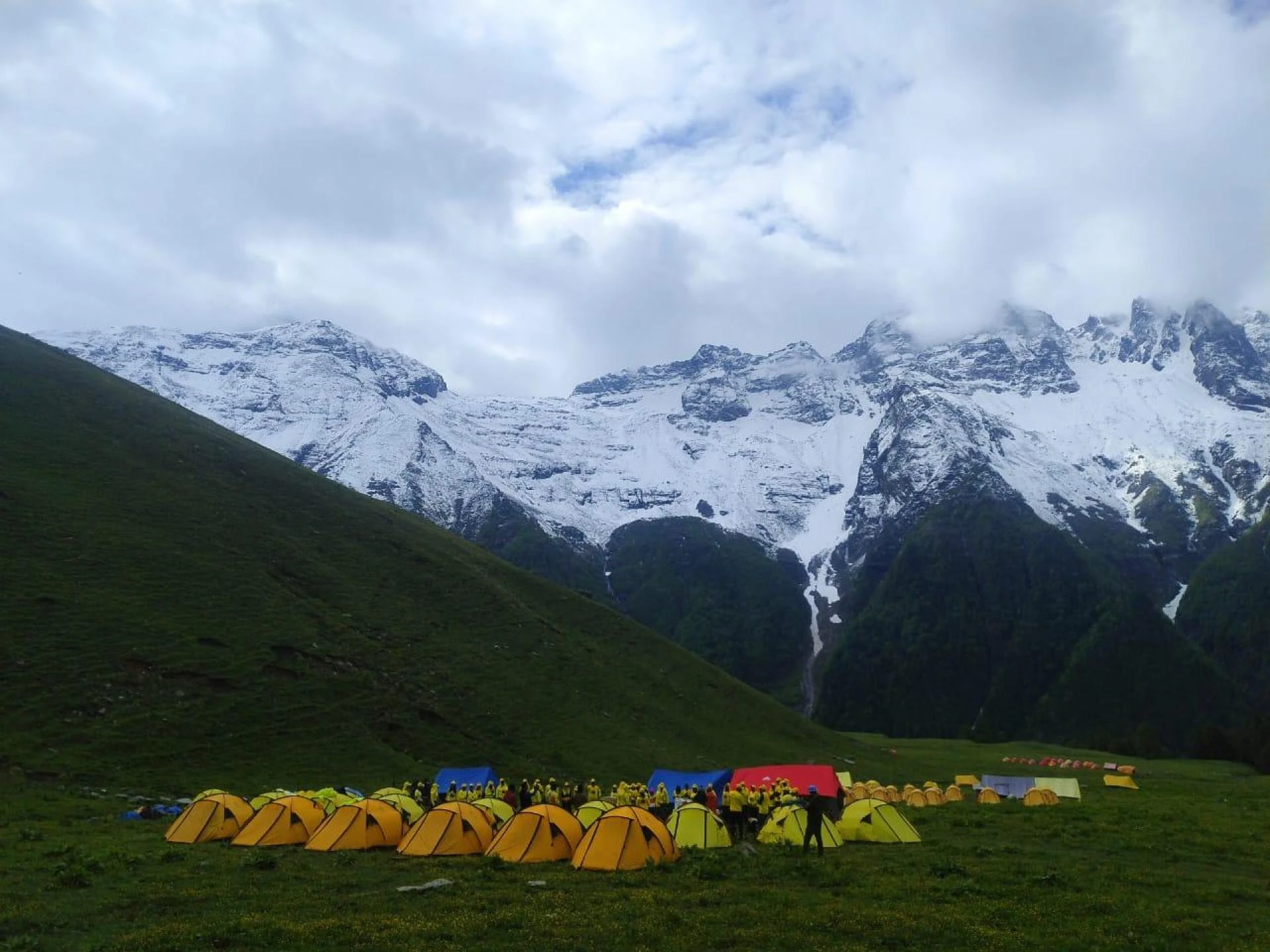
India’s northern belt is a treasure trove of pristine mountain landscapes, cultural heritage, and spiritual charm. Among the most enriching experiences one can undertake here is a Pahadi trek — a term lovingly used to describe treks in the Himalayan regions of Himachal Pradesh, Uttarakhand, Jammu & Kashmir, and the North-East. These treks are not just about reaching summits or traversing trails — they are journeys that transform you physically, mentally, and spiritually.
In this blog, we explore what makes a Pahadi trek truly special, the types of treks available, must-visit routes, and all the practical guidance you need to experience this Himalayan wonderland.
What is a Pahadi Trek?
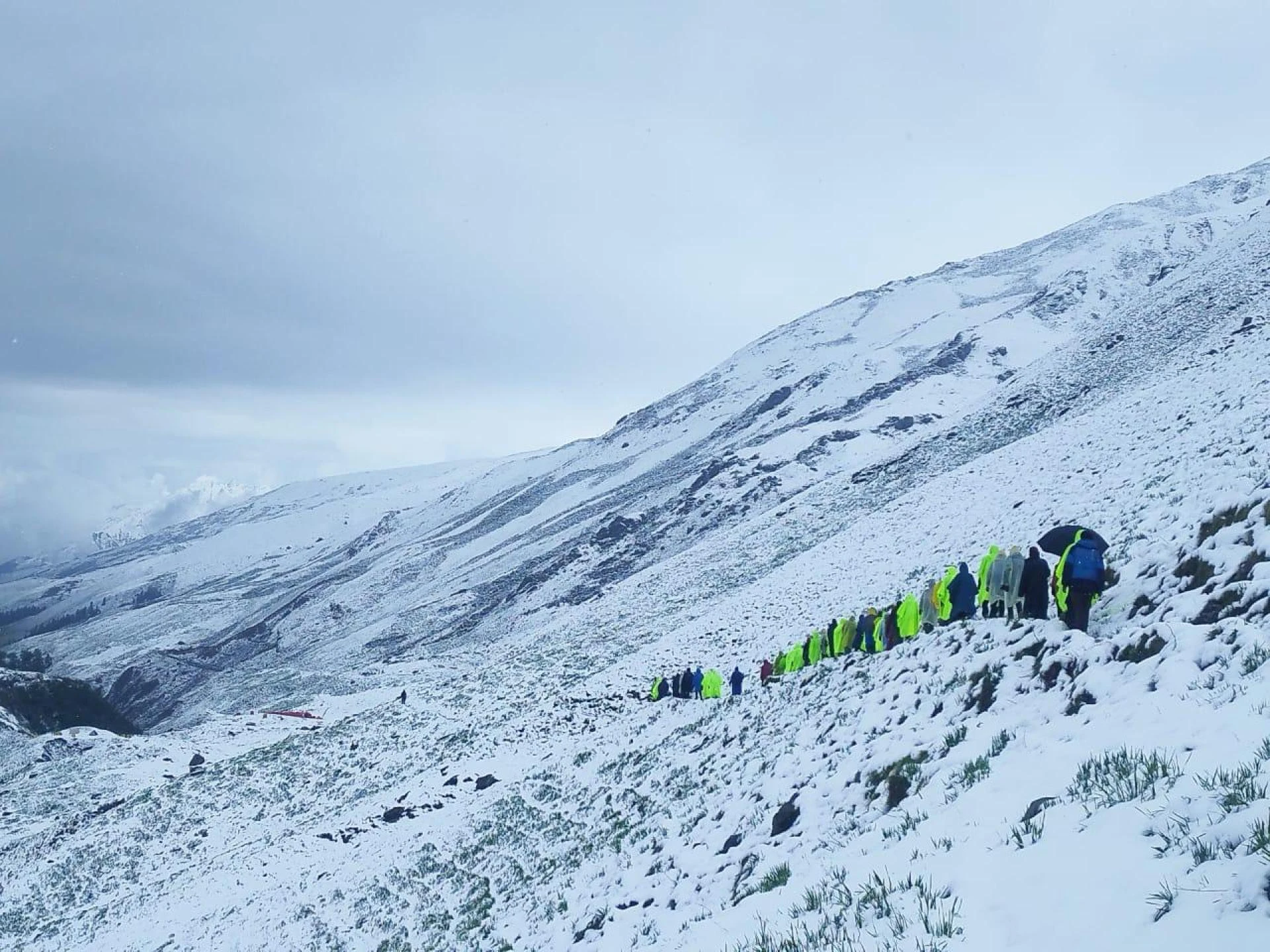
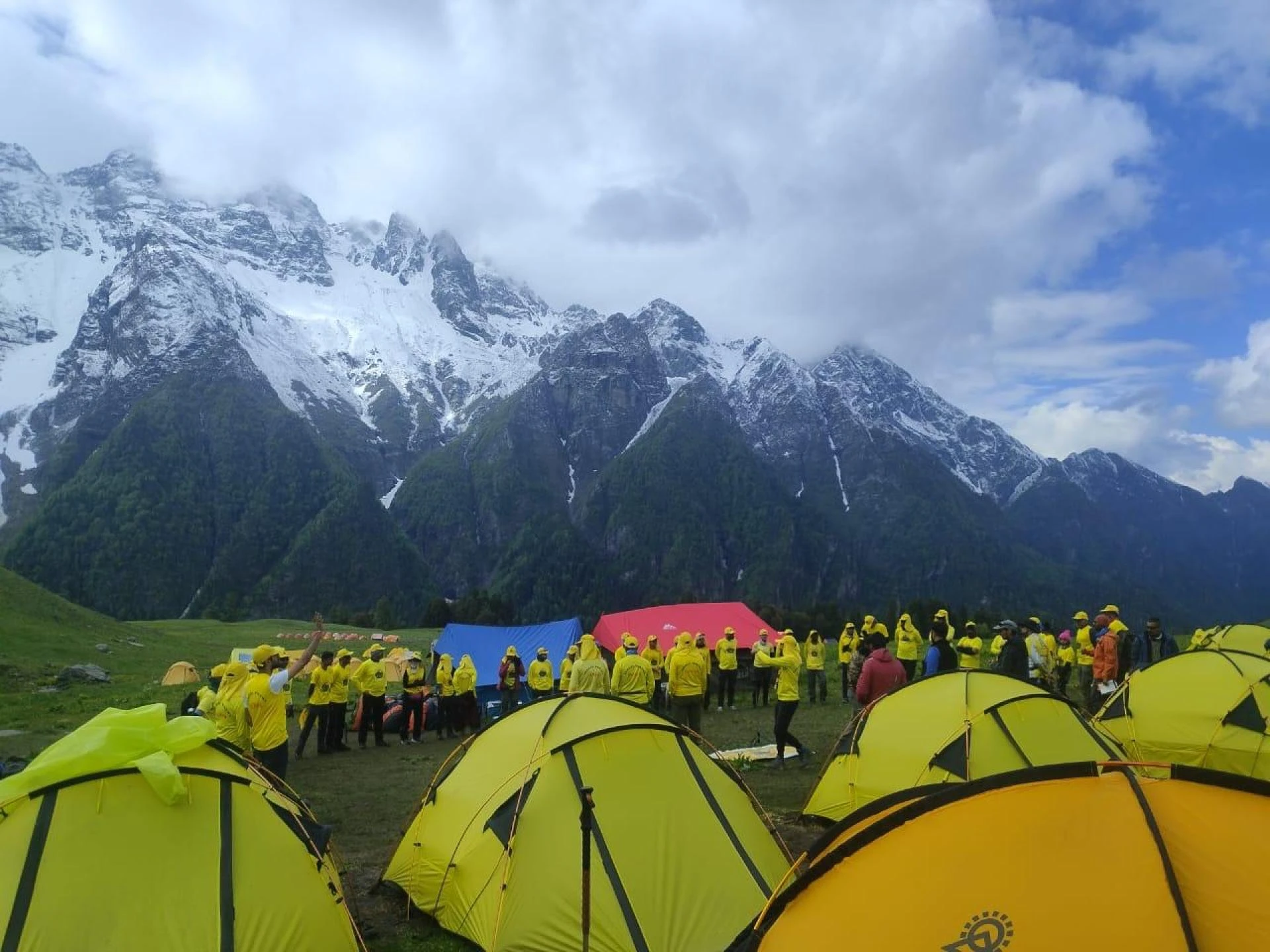
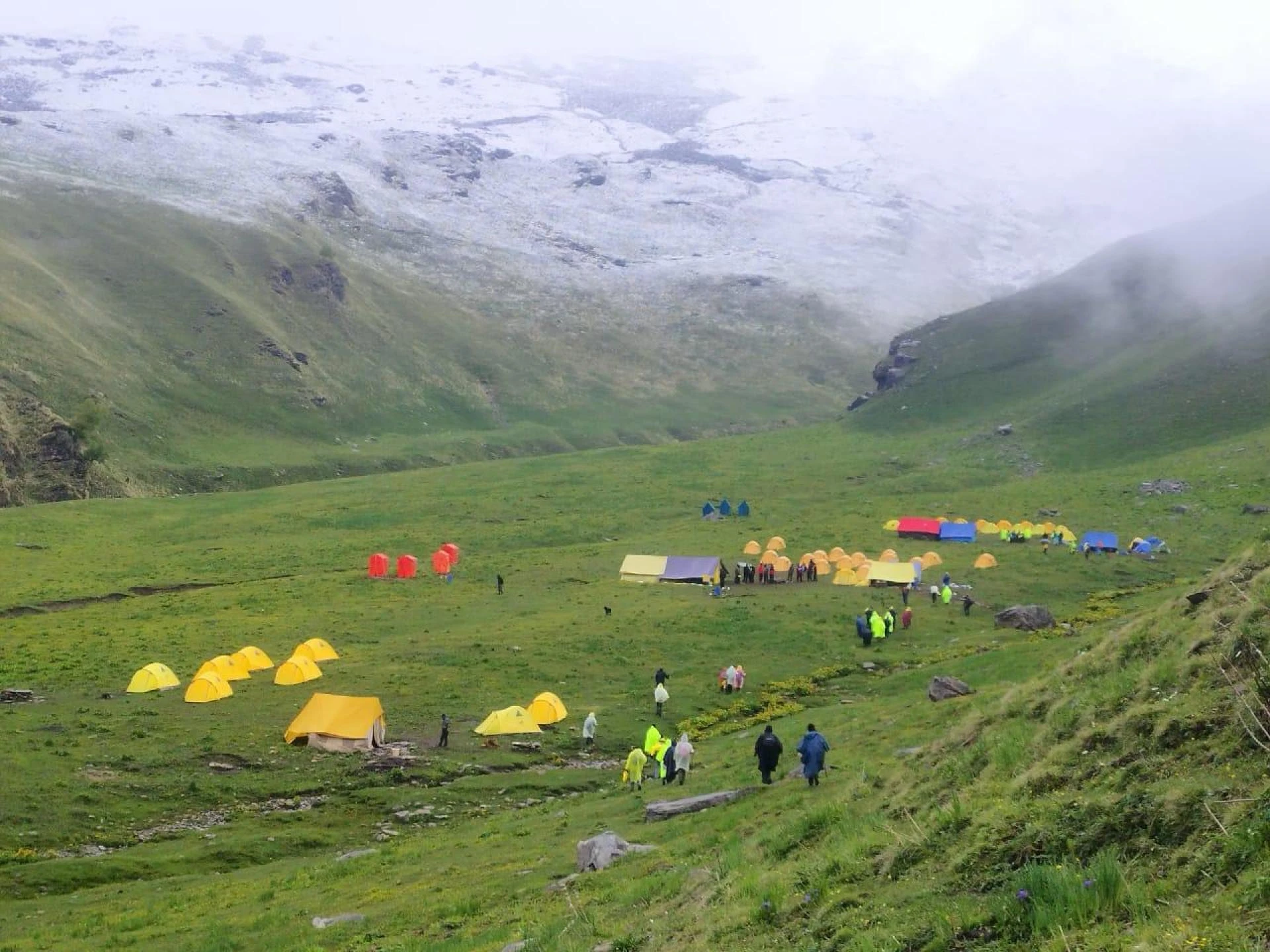
A Pahadi trek refers to trekking through mountain trails, primarily in the Himalayan states of India. These treks can vary from easy weekend hikes to challenging expeditions above 15,000 feet. They typically pass through dense forests, alpine meadows (known as bugyals), glacial rivers, snowy passes, and remote mountain villages.
Whether you're a beginner or an experienced trekker, there's a Pahadi trail that suits your taste and ability.
Why Pahadi Treks are Unique
1. Unfiltered Natural Beauty
The Himalayas offer dramatic landscapes — towering snow peaks, rolling green meadows, sparkling rivers, and peaceful valleys. Every trail feels like a canvas of nature, painted with changing colors across seasons.
2. Remote Cultural Immersion
Villages in the mountains maintain centuries-old traditions and hospitality. On a Pahadi trek, you’ll often stay in or pass through communities where life remains beautifully simple and connected to nature.
3. Spiritual Tranquility
Many treks lead to sacred lakes, temples, or spiritual destinations. From Hemkund Sahib in Uttarakhand to Chandranahan Lake in Himachal, these places offer deep peace and introspection.
4. All-Season Adventure
Unlike some treks that are seasonal, Pahadi regions offer trails for all times of the year — lush green trails in summer, monsoon blooms, autumn clarity, and snow-covered adventures in winter.
Best Pahadi Treks in India
For Beginners
- Triund Trek (Himachal Pradesh)
- Duration: 1–2 days
- Known for: Easy access, perfect views of the Dhauladhar range.
- Nag Tibba Trek (Uttarakhand)
- Duration: 2 days
- Known for: Quick snow experience and sunrise over the Garhwal Himalayas.
- Dayara Bugyal Trek (Uttarakhand)
- Duration: 4–5 days
- Known for: One of the best alpine meadows in India.
For Intermediate Trekkers
- Buran Ghati Trek (Himachal Pradesh)
- Duration: 7–8 days
- Known for: High-altitude pass, snow wall descent, glacial lakes.
- Kedarkantha Trek (Uttarakhand)
- Duration: 5–6 days
- Known for: Winter wonderland, great summit views, pine forests.
- Tarsar Marsar Trek (Kashmir)
- Duration: 7–8 days
- Known for: Twin alpine lakes, camping by the water, lush green Kashmir valleys.
For Experienced Trekkers
- Rupin Pass Trek (Uttarakhand-Himachal)
- Duration: 8–9 days
- Known for: Steep climbs, snow bridges, varied terrain.
- Goechala Trek (Sikkim)
- Duration: 9–10 days
- Known for: Close view of Kanchenjunga, rhododendron forests, and high camps.
- Kashmir Great Lakes Trek (J&K)
- Duration: 7–9 days
- Known for: Crystal clear alpine lakes and meadows surrounded by peaks.
Best Time for Pahadi Treks
- Summer (April to June): Perfect for meadows, forests, and snow-covered passes.
- Monsoon (July to early September): Ideal for treks like Valley of Flowers.
- Autumn (September to November): Clear skies, crisp weather, fewer crowds.
- Winter (December to February): Snow treks like Kedarkantha or Brahmatal.
Each season offers a unique flavor. Choose based on your comfort with snow, rain, and cold.
What to Pack for a Pahadi Trek
Clothing:
- Thermals, fleece jacket, waterproof down jacket
- Trek pants and quick-dry T-shirts
- Waterproof poncho/rain jacket
- Woolen socks, gloves, beanie
Gear:
- Backpack with rain cover
- Sturdy trekking shoes
- Trekking poles (recommended for balance)
- Headlamp or flashlight
- Sleeping bag (if not provided)
Essentials:
- First-aid kit (with medicines for altitude sickness)
- Sunscreen and sunglasses
- Toiletries and wet wipes
- Reusable water bottle and snacks
Tip: Pack light but smart. Weather can change quickly in the mountains.
Health and Fitness Preparation
While beginner treks don't need hardcore training, for high-altitude treks, it's essential to build endurance. A 4–6 week routine of:
- Brisk walking/jogging
- Stair climbing
- Leg workouts and breathing exercises
...will help your body adjust to thin air and long walking hours.
Also, always:
- Acclimatize at higher altitudes.
- Stay hydrated.
- Eat nutritious meals during the trek.
Responsible Trekking in the Himalayas
As beautiful as the mountains are, they are fragile ecosystems. Follow these golden rules:
- Do not litter — carry your waste back.
- Avoid using single-use plastic.
- Respect local customs and wildlife.
- Stay on marked trails.
- Use eco-friendly toiletries and soaps.
Support local businesses like homestays and guides to keep mountain tourism sustainable.
Final Thoughts
Whether you’re chasing summits, seeking spiritual solace, or simply craving solitude in nature, a Pahadi trek has something transformative to offer. Each trail tells a story—of ancient cultures, raw wilderness, and the indomitable spirit of the Himalayas.
So, take a break from the ordinary, step into your trekking boots, and walk a path where every breath feels cleaner, every sunrise feels earned, and every moment echoes with the wisdom of the mountains.
Have a specific Pahadi trek in mind or want help planning your first one? Drop your queries—I’m here to guide you on the right path!



























Sign in to leave a comment.