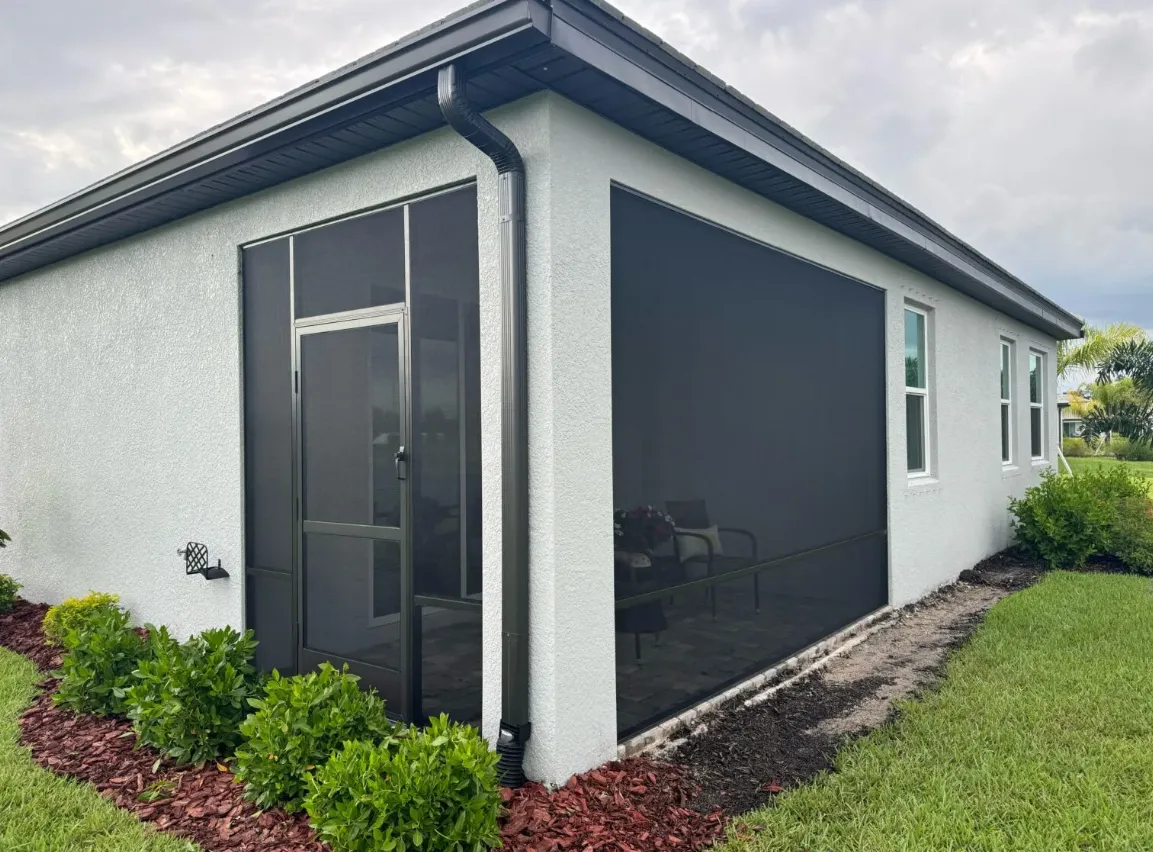

Florida homeowners often enjoy spending time on patios, lanais, and other outdoor areas. However, insects, leaves, debris, strong sunlight, and changing weather conditions can sometimes make outdoor spaces less comfortable. A properly designed screen enclosure can help create a cleaner and more enjoyable area while allowing fresh air and natural light to enter.
Patio screen enclosures installation in Florida involves more than simply placing mesh around a patio. Depending on the property, the project may involve aluminum framing, screening material, doors, structural attachments, and local permitting requirements. Professional planning helps ensure that the enclosure fits the property and is suitable for Florida's outdoor conditions.
What Is a Patio Screen Enclosure?
A patio screen enclosure is a framed structure that surrounds an outdoor living area with screen mesh. Aluminum is commonly used for the framework because it is lightweight, durable, and suitable for outdoor applications.
Screen enclosures can be installed around existing patios, porches, lanais, or covered outdoor areas. Some projects may also involve constructing a new enclosure over an open patio.
The type of screen selected can depend on the homeowner's needs. Standard mesh can provide general insect protection, while specialized materials may offer additional protection from smaller insects, pets, or sunlight.
Benefits of a Screened Patio
One of the main benefits of a screened patio is improved outdoor comfort. The enclosure creates a barrier that can help keep mosquitoes, flies, and other insects outside while still allowing air to circulate.
Screening can also reduce the amount of leaves and wind-blown debris entering the patio. This can make outdoor furniture, flooring, and other surfaces easier to maintain.
Another benefit is that a screen enclosure maintains the feeling of being outdoors. Unlike solid walls, screens allow homeowners to enjoy natural light, outdoor views, and airflow.
Homeowners who receive strong afternoon sunlight may also consider solar-screen materials. For areas where smaller insects are a concern, specialized mesh can provide additional protection.
Choosing the Right Screen and Frame
The materials used for a patio enclosure can influence its appearance, durability, maintenance requirements, and overall comfort.
Aluminum framing is a popular option for outdoor enclosures. The frame should be properly sized and secured according to the enclosure's design and applicable building requirements.
Several screening options are available. Standard fiberglass mesh may be suitable for general applications, while pet-resistant screening can be useful for households with dogs or cats. No-see-um mesh can provide protection against smaller insects, while solar screening can help reduce sunlight and heat.
An experienced enclosure service provider in Florida can inspect the property and explain the available materials based on the patio's location and intended use.
How Patio Screen Enclosure Installation Works
The installation process generally begins with a site assessment. The installer measures the patio and examines the existing structure, slab, roofline, walls, and attachment points.
After measurements are completed, the enclosure is designed according to the property's dimensions. Homeowners can select the frame style, screen material, door configuration, and other features.
Depending on the size and structural design, engineering and permits may be required. Local requirements can differ between Florida jurisdictions, so homeowners should confirm the applicable rules before construction begins.
During installation, the aluminum framework is assembled and securely attached to the appropriate surfaces. Screen material is then fitted into the frame and secured. Doors and hardware are installed, followed by a final inspection of the enclosure.
Why Professional Installation Is Important
Proper installation is important because screen enclosures need to remain secure during normal outdoor conditions. Accurate measurements help prevent gaps, uneven framing, and problems with doors.
Florida properties can also experience strong winds and severe weather. The enclosure's design and attachment method should therefore account for applicable structural and wind-load requirements.
An experienced installer can help homeowners select suitable materials and identify potential issues before construction starts. Professional installation may also help reduce the likelihood of premature screen damage, loose framing, or other installation-related problems.
Maintaining a Patio Screen Enclosure
Regular maintenance can help keep a screen enclosure looking good and functioning properly. Homeowners should periodically check the mesh for tears, holes, and loose sections.
The aluminum frame should also be inspected for loose hardware, visible damage, or other issues. Dirt and debris can be removed with gentle cleaning methods that will not damage the screen material.
If only the mesh is damaged while the aluminum framework remains in good condition, rescreening may be possible instead of replacing the entire enclosure.
Promptly repairing small tears can also help prevent them from becoming larger and more expensive problems.
Choosing an Enclosure Service Provider
When selecting an enclosure service provider in Florida, homeowners should consider the provider's experience, installation process, materials, warranty information, and familiarity with local requirements.
It is helpful to request a detailed estimate that explains the type of frame, screening material, doors, installation work, and any additional services included in the project.
Homeowners should also ask questions about maintenance and future screen repairs. A clear understanding of the installation and materials can make it easier to plan the project and maintain the enclosure after installation.
A professionally installed patio screen enclosure can make an outdoor space more comfortable while preserving the open-air experience that makes Florida outdoor living attractive.
Frequently Asked Questions
1. What is the main purpose of a patio screen enclosure?
A patio screen enclosure creates a barrier around an outdoor area to help reduce insects and debris while allowing air and natural light to enter.
2. What type of screen is suitable for a Florida patio?
The appropriate screen depends on the property's needs. Standard mesh can provide general insect protection, while pet-resistant, solar, or fine-mesh options may be better for specific situations.
3. Does patio screen enclosure installation require a permit in Florida?
Permit requirements depend on the project and local jurisdiction. Homeowners should check with their local building department before starting construction.
4. Can an existing patio be screened?
Yes. An existing patio can often be enclosed if the structure is suitable for screening. The installer can evaluate the patio and determine the appropriate installation method.
5. Can damaged screens be replaced?
Yes. If the existing frame is still structurally sound, damaged mesh can often be replaced without rebuilding the entire enclosure.
6. How do I choose an enclosure service provider in Florida?
Look for an experienced provider that offers clear estimates, quality materials, professional installation, appropriate insurance and licensing, and information about warranties and maintenance.
7. Do screen enclosures help with mosquitoes?
Yes. Properly installed screening provides a physical barrier that can reduce mosquitoes and other insects entering the enclosed area.
8. Can patio screen enclosures be customized?
Yes. Depending on the property, homeowners can choose different screen materials, frame configurations, door styles, and other design features.
9. How should a screen enclosure be maintained?
Regularly inspect the screens and frame, remove dirt and debris, and repair tears or damaged sections as soon as possible. Gentle cleaning methods are recommended to avoid damaging the mesh.
10. Is professional installation better than DIY installation?
Professional installation can provide accurate measurements, proper framing, secure attachments, and guidance regarding materials and local requirements. This can be particularly useful for larger or more complex enclosures.



















Sign in to leave a comment.