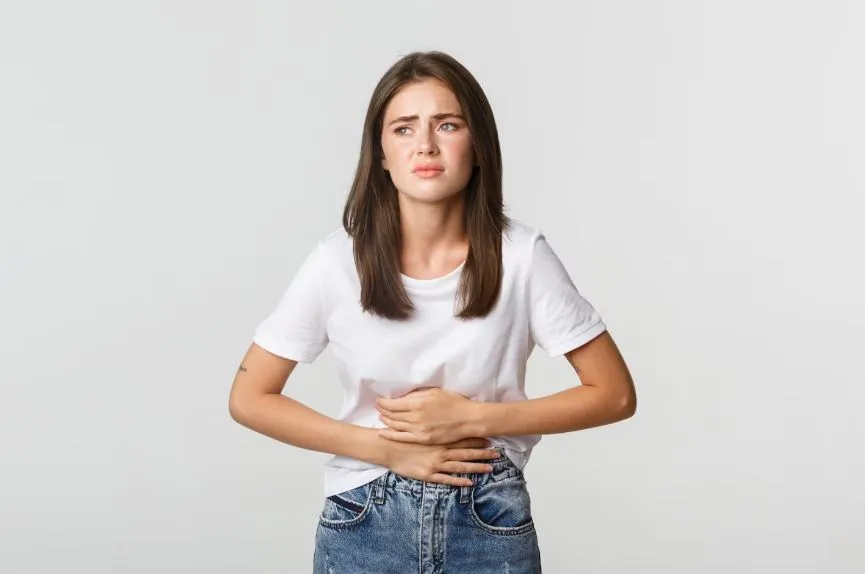

Polycystic Ovary Syndrome (PCOS) is a common hormonal condition that can affect women during their reproductive years. It may influence menstrual cycles, hormone levels, ovulation, skin, hair growth and fertility. Because symptoms can vary significantly from one woman to another, getting the right diagnosis and personalised treatment is important. Consulting a qualified Female Gynecologist in Dubai can help women understand their symptoms and manage PCOS effectively.
What Is PCOS?
PCOS is a hormonal and metabolic condition associated with hormonal imbalance and irregular ovulation. Some women with PCOS have multiple small follicles in their ovaries, while others may have PCOS without this ovarian appearance.
PCOS does not affect every woman in the same way. Some may mainly experience irregular periods, while others may seek medical advice because of acne, unwanted hair growth, weight changes or difficulty becoming pregnant.
Early evaluation can help identify the underlying factors contributing to symptoms and reduce the risk of longer-term complications.
Common Symptoms of PCOS
PCOS symptoms can develop gradually and may differ between individuals. Common signs include:
1. Irregular Periods
One of the most common symptoms is having menstrual cycles that are irregular, infrequent or absent. This can happen when ovulation does not occur regularly.
Some women may have fewer than eight periods in a year, while others may experience unpredictable cycles or unusually heavy bleeding.
2. Excess Hair Growth
Higher levels of androgen hormones may cause increased hair growth on areas such as the face, chest, abdomen or back. This condition is known as hirsutism.
3. Acne and Oily Skin
Hormonal changes associated with PCOS may contribute to persistent acne, oily skin or breakouts, particularly around the face, jawline and neck.
4. Hair Thinning
Some women with PCOS experience thinning of the scalp hair or a widening parting due to hormonal changes.
5. Weight Changes
Weight gain or difficulty losing weight can occur in some women with PCOS. However, PCOS can also affect women who are not overweight. Having a healthy body weight does not rule out PCOS.
6. Difficulty Getting Pregnant
Irregular ovulation can make it more difficult to conceive. PCOS is one of the common causes of ovulatory infertility, but many women with PCOS can become pregnant with appropriate medical care.
7. Darkened Skin Patches
Some women may develop darker, thicker areas of skin, particularly around the neck, underarms or groin. This can sometimes be associated with insulin resistance.
What Causes PCOS?
The exact cause of PCOS is not completely understood. Several factors appear to contribute to its development.
Hormonal Imbalance
Women with PCOS may have higher-than-usual levels or activity of androgen hormones. These hormonal changes can interfere with normal ovulation and contribute to symptoms such as acne and excess hair growth.
Insulin Resistance
Some women with PCOS have insulin resistance, meaning the body's cells do not respond effectively to insulin. The body may produce more insulin to compensate, and higher insulin levels can contribute to increased androgen production.
Genetics
PCOS may run in families. Women whose close relatives have PCOS or certain metabolic conditions may have a higher likelihood of developing it.
Lifestyle and Metabolic Factors
Lifestyle factors do not independently cause PCOS, but diet, physical activity, sleep and body weight can influence metabolic health and the severity of some symptoms.
How Is PCOS Diagnosed?
There is no single test that confirms PCOS in every woman. A gynecologist generally considers the woman's symptoms, menstrual history, medical history and examination findings.
Depending on the individual situation, evaluation may include:
- Menstrual and ovulation history
- Physical examination
- Blood tests to assess hormone levels
- Tests to evaluate blood sugar and metabolic health
- Pelvic ultrasound when appropriate
- Assessment for other conditions that can cause similar symptoms
Conditions such as thyroid disorders, elevated prolactin levels and other hormonal disorders may need to be considered before confirming a PCOS diagnosis.
PCOS Treatment Options
PCOS treatment depends on the woman's symptoms, reproductive goals and overall health. There is no single treatment that works for everyone.
Lifestyle Changes
A balanced diet, regular physical activity, adequate sleep and maintaining a healthy weight can support metabolic and hormonal health.
For women who are overweight, even modest weight loss may improve ovulation and some PCOS symptoms. However, lifestyle management is also important for women who are not overweight.
Treatment for Irregular Periods
A gynecologist may recommend hormonal treatment to regulate menstrual cycles and protect the lining of the uterus when appropriate.
The choice of treatment depends on factors such as age, medical history, symptoms and whether pregnancy is desired.
Treatment for Acne and Excess Hair
Depending on the severity of symptoms, treatment may include hormonal medications, prescription medicines or cosmetic hair-removal methods.
Treatment should be selected under medical guidance because some medications used for androgen-related symptoms are not suitable during pregnancy.
Fertility Treatment
For women with PCOS who are trying to conceive, treatment focuses on improving ovulation. Depending on individual circumstances, a doctor may recommend ovulation-induction medication or other fertility treatments.
A fertility plan should be personalised rather than based solely on the presence of PCOS.
Managing Metabolic Health
Women with PCOS may have an increased risk of insulin resistance, type 2 diabetes, high cholesterol and other metabolic problems. Your doctor may recommend appropriate screening based on your individual risk factors.
Can PCOS Be Cured?
PCOS is generally considered a long-term condition rather than something that has a permanent one-time cure. However, its symptoms and associated health risks can often be managed effectively.
Treatment goals can also change over time. A woman who is not planning pregnancy may focus on menstrual regulation and managing acne or unwanted hair, while someone trying to conceive may require treatment focused on ovulation and fertility.
Regular medical follow-up can help adjust treatment as these needs change.
When Should You See a Gynecologist?
You should consider consulting a gynecologist if you experience:
- Very irregular or absent periods
- Persistent acne or excessive facial/body hair
- Unexplained hair thinning
- Difficulty becoming pregnant
- Significant or unexplained changes in weight
- Symptoms associated with insulin resistance or metabolic health
- Concerns about your menstrual or hormonal health
You do not need to wait until symptoms become severe before seeking medical advice.
Finding the Right Female Gynecologist in Dubai
PCOS can affect several aspects of a woman's health, from menstrual cycles and skin changes to fertility and metabolic health. A comprehensive evaluation can help identify the symptoms you are experiencing and determine an appropriate treatment plan.
If you are looking for a Female Gynecologist in Dubai, Healthbay Clinic provides women's health and gynecological care with an emphasis on individualised assessment and treatment. Speaking with a gynecologist can help you understand whether your symptoms may be related to PCOS or another underlying condition.
Frequently Asked Questions About PCOS
Is PCOS common?
Yes. PCOS is one of the common hormonal conditions affecting women during their reproductive years.
Can thin women have PCOS?
Yes. PCOS can occur in women of any body size. Being lean does not exclude the possibility of PCOS.
Does having PCOS mean I cannot get pregnant?
No. PCOS can affect ovulation and make conception more difficult for some women, but many women with PCOS become pregnant with appropriate treatment and support.
Does PCOS always cause ovarian cysts?
No. Despite its name, ovarian cysts are not required for a diagnosis of PCOS. Diagnosis is based on a combination of clinical features and exclusion of other conditions.
Can PCOS symptoms improve?
Yes. Symptoms can often be effectively managed through lifestyle measures, medication and appropriate medical care. Treatment depends on the individual's symptoms and goals.
Should I see a gynecologist for irregular periods?
Yes. Irregular periods can have several causes, including PCOS, thyroid disorders, changes in weight, stress and other hormonal conditions. A gynecological evaluation can help determine the cause.
























Sign in to leave a comment.