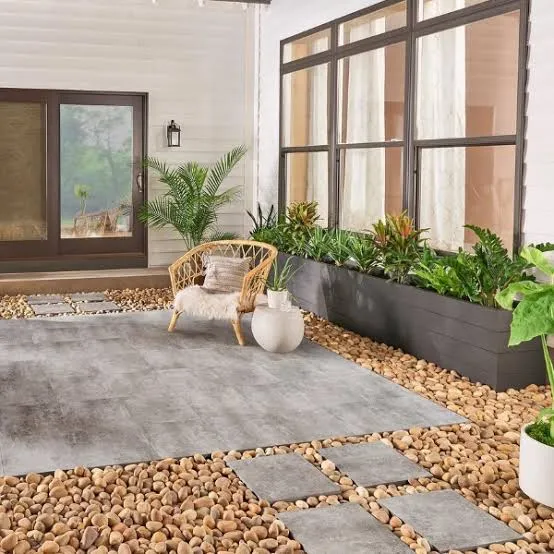

Courtyard landscaping offers an opportunity to combine architecture and nature in a compact outdoor setting. Whether the courtyard is large or relatively small, the right combination of stone, plants, pathways, and decorative features can make the area feel comfortable and visually balanced. Natural stones are frequently used because their textures and colors can add character without appearing artificial. In particular, pebbles for courtyard landscaping can be incorporated in numerous ways, from creating decorative borders to forming ground-cover sections and enhancing spaces around plants. Their naturally rounded appearance makes them suitable for designs that aim to create a relaxed connection between built structures and the surrounding landscape.
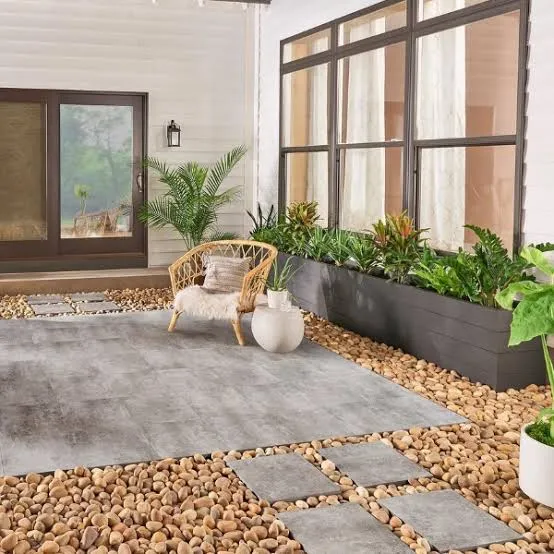
A major benefit of pebbles is the variety of colors and sizes available. Depending on the source and type of stone, homeowners may find white, cream, grey, brown, black, or mixed-color options. Selecting a color that complements existing walls, paving, furniture, and plants can help create a coordinated appearance. For example, neutral-colored stones can work well in minimalist courtyards, while mixed natural tones can contribute to a more rustic garden style.
Pebbles can also be used to highlight individual landscaping features. A circular area of stone around a small tree can make the tree a visual focal point. Similarly, a narrow strip of decorative pebbles beside a wall can create an attractive transition between the building and planting areas. Around water features, carefully selected stones can produce a natural appearance that complements the movement and reflective qualities of water.
For courtyards that include seating areas, pebbles can be combined with paving slabs or stepping stones. This creates an interesting contrast between smooth, structured surfaces and naturally textured stone. Stepping stones can be positioned through a pebble bed to form a practical walkway while maintaining an open and decorative appearance. Proper spacing and stable installation are important if the pathway will experience regular foot traffic.
Drainage is another consideration when designing with decorative stones. Courtyards can sometimes experience water accumulation, particularly where surfaces are surrounded by walls or buildings. A correctly designed landscape can use suitable aggregates and drainage layers to help manage surface water. However, the exact installation method should be selected according to local soil conditions, rainfall, slope, and the intended use of the area.
Maintenance requirements should also be considered before selecting a particular pebble. Smaller stones can be more difficult to manage in areas with heavy foot traffic, while larger decorative stones may be better suited to borders and display areas. Leaves and other organic debris can accumulate between stones, so occasional cleaning is necessary to preserve the appearance of the landscape.
The quantity required is another important factor. Measuring the area accurately before purchasing helps reduce waste and ensures sufficient material is available for the project. For larger courtyards, purchasing landscaping stone in bulk may provide a more convenient solution than buying multiple small quantities.
Ultimately, pebbles can be a flexible addition to courtyard landscaping when selected and installed thoughtfully. They can define spaces, enhance plants, complement paving, and introduce natural texture into an outdoor setting. By combining different stone sizes with greenery, pathways, and architectural features, a courtyard can be transformed into an attractive and cohesive extension of the home.























Sign in to leave a comment.