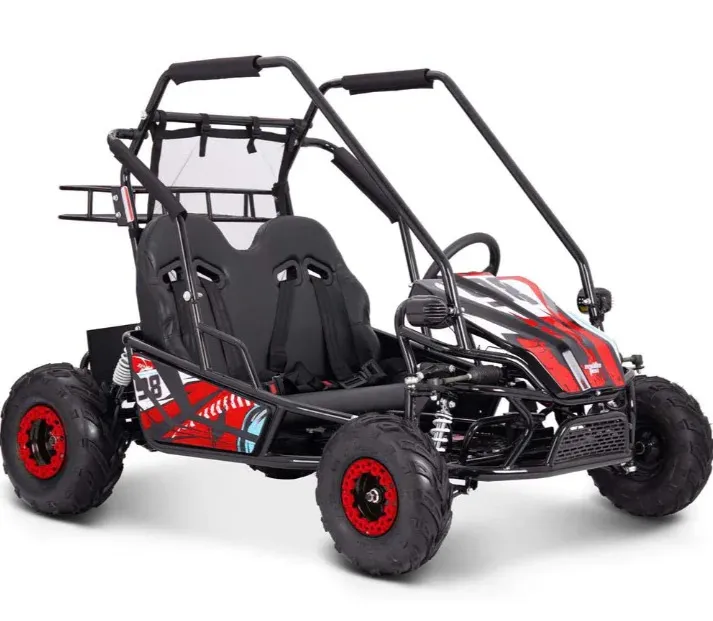

Shopping for electric go karts for sale can feel overwhelming once you start comparing motor sizes, battery specs, and safety features across brands. Whether you're outfitting a backyard track, buying a first kart for a young rider, or upgrading to something with more performance, understanding what actually separates a well-built electric go-kart from a basic toy is the key to making a confident purchase.
This guide breaks down the features that matter most, how to match a kart to your rider, and what to check before you buy so you can shop with a clear picture of what "performance" really means in this category.
What Are Performance Electric Go-Karts?
A performance electric go-kart is generally built with a stronger motor, a more capable battery system, and sturdier components than an entry-level recreational model designed mainly for slow, casual driving in a driveway or backyard. These karts are marketed toward riders, often teens and adults, though some models are designed for younger drivers who want a more responsive driving experience, higher top speeds, and features like adjustable seating, upgraded suspension, or drift-capable rear wheels.
It's worth noting that "performance" is a relative term in this market. Specifications vary significantly between manufacturers, and a kart marketed as performance-oriented from one brand may have different power output, speed, or build quality than a similarly labeled kart from another. Always compare the actual published specifications rather than relying on marketing language alone.
Electric vs. gas-powered karts, at a high level:
- Maintenance: Electric karts don't require oil changes, spark plugs, or fuel system upkeep, which generally simplifies ownership.
- Noise and emissions: Electric motors run quieter and produce no exhaust, making them more suitable for residential areas and indoor/covered spaces.
- Power delivery: Electric motors typically deliver instant torque, which can feel different from the power band of a gas engine.
- Runtime: Gas karts refuel in minutes, while electric karts depend on battery capacity and charging time, which varies by model.
Key Features to Look for in an Electric Go-Kart
When comparing an electric go-kart or battery-powered go-kart, review these specifications carefully. Always verify the manufacturer's published numbers, since figures can vary by model year and configuration.
- Motor power and performance Motor output is typically listed in watts. Higher wattage generally supports faster acceleration and better hill performance, but actual performance also depends on the kart's weight, gearing, and controller. Compare motor specs alongside the kart's overall weight and rider capacity, not in isolation.
- Battery type and capacity Most modern performance karts use lithium-ion batteries, which tend to be lighter and hold a charge more consistently than older lead-acid batteries, though lead-acid options still appear on some budget models. Capacity is usually measured in amp-hours (Ah) or watt-hours (Wh) higher numbers generally indicate longer potential runtime.
- Top speed Manufacturer-listed top speeds can range widely, and many karts include speed-limiting settings for beginner or younger riders. Top speed should always be considered alongside the rider's experience level and the surface they'll be driving on.
- Driving range/runtime Runtime estimates depend on rider weight, terrain, speed settings, and temperature, so real-world results often differ from manufacturer estimates. Look for a runtime figure and treat it as a general guideline rather than a guarantee.
- Charging time Charging times vary based on battery capacity and charger type, ranging from a couple of hours on smaller batteries to significantly longer for larger packs. If you plan to use the kart multiple times per week, factor charging time into how practical the kart will be for your schedule.
- Braking system Look for the type of brakes used (mechanical disc, hydraulic disc, or drum) and whether the kart includes both a foot brake and any additional safety braking features. Braking performance is one of the most important safety-related specifications to confirm before buying.
- Suspension Independent or adjustable suspension can improve ride comfort and handling on uneven terrain, while more basic models may have limited or no suspension. This matters more if you plan to drive off pavement or on varied surfaces.
- Tires and traction Pneumatic (air-filled) tires generally provide better grip and shock absorption than solid rubber tires, though they require occasional pressure checks. Tread pattern also affects performance on grass, gravel, or paved surfaces.
- Frame and build quality steel-tube frames are common in performance-oriented karts and are generally associated with durability, though frame design, welds, and material gauge all affect real-world strength. If available, review manufacturer specifications on frame material and weight capacity rather than assuming based on appearance alone.
- Weight capacity Every kart has a maximum rider weight rating set by the manufacturer. Exceeding this limit can affect handling, braking distance, and structural safety, so this is a non-negotiable spec to confirm.
- Safety features Common features include seatbelts, roll bars or cages, adjustable speed limiters, low-speed "learner modes," and non-slip pedals. Not all karts include the same safety equipment, so compare this list carefully, especially for younger or less experienced riders.
How to Choose the Right Electric Go-Kart
There's no single "correct" kart; the right choice depends on who will be riding and how it will be used. Consider the following factors together rather than in isolation:
- Rider age and experience: Younger or first-time riders generally benefit from lower top speeds, speed limiters, and simpler controls.
- Rider weight and height: Confirm the kart's seat adjustability and weight capacity match the rider(s) who will use it.
- Intended terrain: Smooth driveways and paved paths have different requirements than grass, gravel, or uneven backyard terrain.
- Desired speed: Balance rider skill level against the kart's top speed and whether it offers adjustable speed settings.
- Battery requirements: Match battery capacity and runtime to how often and how long you expect to drive per session.
- Available storage space: Karts vary in size and weight; check dimensions and whether the kart folds or requires a garage/shed for storage.
- Budget: Price generally correlates with battery quality, build materials, and included safety features, but it's still worth comparing specifications across similarly priced models.
- Manufacturer specifications and warranty: Review the warranty length, what it covers (battery, motor, frame), and the manufacturer's return policy before purchasing.
Best Electric Go-Kart Features for Different Riders
What counts as the best electric go kart depends heavily on the person driving it, so it's more useful to think in terms of fit than a single top-ranked product.
- Beginners or younger riders often benefit most from adjustable speed limiters, a stable low center of gravity, and straightforward controls.
- Intermediate or older teen riders may prioritize a stronger motor, longer runtime, and more advanced suspension for varied terrain.
- Adult recreational drivers frequently look for higher weight capacity, adjustable seating, and a sturdier frame built for daily or frequent use.
- Families sharing one kart may prioritize models with a wide weight-capacity range and multiple speed settings to suit different drivers.
Rather than searching for a single "best" model, compare specifications against your specific use case, and read manufacturer documentation closely, since feature sets can differ significantly even within the same product line.
Electric Go-Kart for Kids: What Parents Should Consider
An electric go kart for kids should be selected with safety as the top priority, not just speed or styling. A few key considerations:
- Age and size recommendations: Follow the manufacturer's minimum age and height/weight guidelines closely these exist for structural and safety reasons, not just marketing.
- Speed limitations: Look for karts with adjustable or capped speed settings appropriate for a child's skill level, and start at the lowest setting.
- Parental supervision: Regardless of built-in safety features, active adult supervision is strongly recommended, especially for first-time riders.
- Safety equipment: Helmets are recommended at minimum; some families also use additional protective gear depending on the riding environment.
- Suitable riding surfaces: Flat, obstacle-free areas such as a driveway or backyard are generally more appropriate for young riders than public streets, hills, or uneven terrain.
- Manufacturer age and weight recommendations: Always confirm these directly on the product listing or manual, since they vary by model and are set by the manufacturer, not by general industry standards.
Where to Find Electric Go-Karts for Sale
When you're ready to buy, look beyond price alone:
- Product specifications: Confirm the listing includes complete specs (motor wattage, battery type/capacity, top speed, weight capacity, dimensions) rather than vague marketing descriptions.
- Warranty coverage: Check what components are covered and for how long.
- Replacement parts availability: Karts with readily available replacement batteries, tires, and controllers are generally easier to maintain long-term.
- Customer support: Look for retailers or manufacturers with responsive support channels in case you have questions about assembly, operation, or troubleshooting.
- Shipping and assembly: Confirm whether the kart arrives assembled or requires setup, and review shipping costs and estimated delivery timelines.
- Return policies: Understand the return window and any restocking fees before purchasing.
Comparing multiple models side by side rather than choosing based solely on the lowest price helps ensure you're getting a kart that matches your safety and performance expectations.
Electric Go-Kart Maintenance Tips
Routine maintenance helps extend the life of both the kart and its battery:
- Battery care: Avoid letting the battery sit fully depleted for extended periods, and follow the manufacturer's guidance on charging frequency and storage charge levels.
- Tire inspection: Check tire pressure (for pneumatic tires) and tread wear regularly, especially before extended use.
- Brakes: Periodically inspect brake pads/components and address any changes in stopping performance promptly.
- Charging practices: Use only the charger provided or recommended by the manufacturer, and avoid charging in extreme temperatures.
- Cleaning: Wipe down the frame and seating area after use, particularly if driven on dirt, grass, or in wet conditions, to prevent corrosion or buildup.
- Storage: Store the kart in a dry, covered area when possible, and disconnect or partially discharge the battery per manufacturer guidance for long-term storage.
- Routine inspections: Periodically check bolts, welds, and moving parts for wear, especially after heavy use.
Frequently Asked Questions
1. How fast can an electric go-kart go?
Top speeds vary widely by model, motor power, and whether speed limiters are engaged. Always check the manufacturer's listed top speed and any adjustable speed settings before purchasing.
2. How long does an electric go-kart battery last?
Runtime per charge depends on battery capacity, rider weight, terrain, and driving style, so manufacturer estimates should be treated as general guidance rather than a fixed number. Battery lifespan (how many charge cycles it lasts overall) also varies by battery type and care.
3. Are electric go-karts suitable for kids?
Many models are designed specifically for younger riders with speed limiters and simplified controls, but suitability depends on the specific kart's age, weight, and safety specifications. Always follow the manufacturer's age and weight guidelines and provide adult supervision.
4. How long does it take to charge an electric go-kart?
Charging time depends on battery capacity and charger type, and can range from a couple of hours to considerably longer. Check the specific charging time listed for the model you're considering.
5. What should I consider before buying an electric go-kart?
Key factors include rider age/weight, intended terrain, desired speed, battery runtime and charging time, safety features, warranty coverage, and budget. Comparing these factors across multiple models rather than focusing on price alone helps ensure a better fit.
6. Do electric go-karts require a lot of maintenance?
Generally less than gas-powered karts, since there's no engine oil or fuel system to maintain. However, routine care of the battery, tires, brakes, and frame is still important for safety and longevity.
























Sign in to leave a comment.