Two injection methods. Two names that look almost alike. Are they the same thing? Not quite, and the answer matters if you plan to add one to your practice. Perineural Injection Therapy and Neural Therapy share a lot of ground, but they use different injectables and solve different problems. This guide explains both in plain words. It comes from the team at Learn Neural Therapy, where clinicians practice these skills hands-on. By the end, you will know how the two compare and where to start.
What Is Neural Therapy?
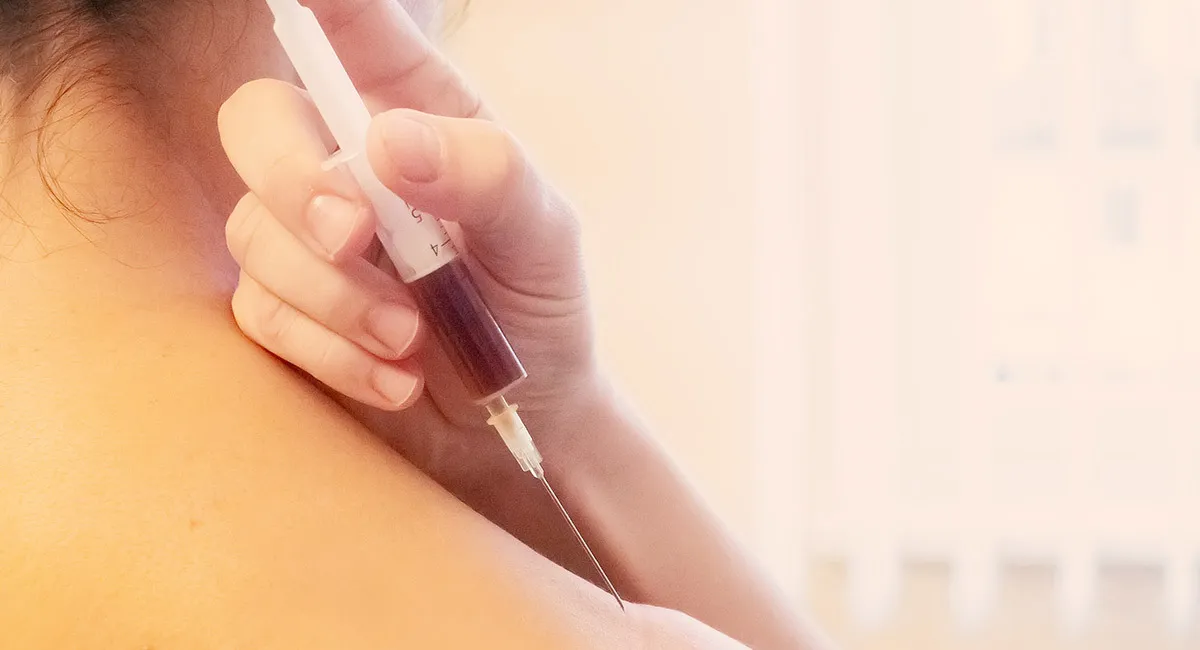
Neural Therapy uses a local anesthetic, usually procaine. The provider injects it into scars, trigger points, nerves, and clusters of nerve cells called ganglia. Injury or surgery can leave nerves sending mixed-up signals, and pain may show up far from the original spot. Calming those nerves may help the whole area settle.
How Neural Therapy Injections Work
Neural therapy injections aim to steady the electrical charge of irritated nerve cells. A steadier cell fires less, so pain signals quiet down. Practitioners also use the method to influence the autonomic nervous system, which runs digestion, heart rate, and blood pressure on autopilot.
What Is Perineural Injection Therapy?
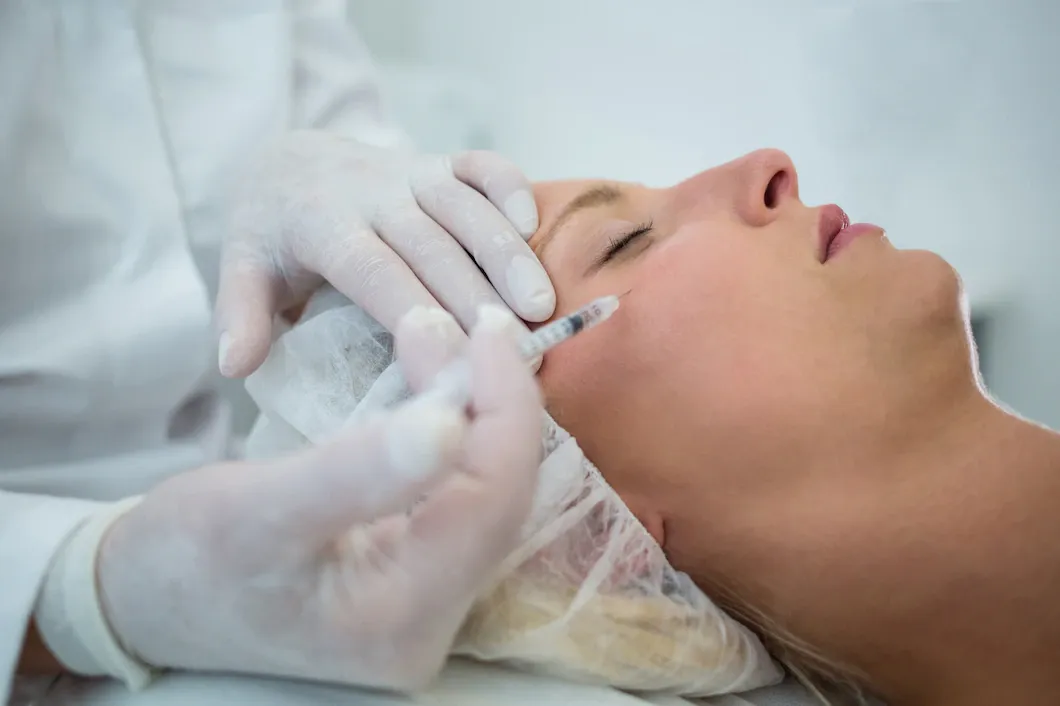
Perineural Injection Therapy, or PIT, places a small amount of dextrose (sugar water) just under the skin along a painful nerve. "Perineural" means "around the nerve," so the needle stays near it, not inside it. The mix is most frequently 5% dextrose.
Where PIT Came From
New Zealand doctor John Lyftogt developed the method. You may see it called neural prolotherapy or Lyftogt injections. The names differ, but the idea is the same. Dr. Lyftogt has stepped back from teaching, so approved instructors now carry his work forward.
How a Perineural Injection Is Done
A perineural injection is shallow. The clinician feels for tender tissue, then places tiny amounts of fluid along the nerve's path. Many Lyftogt-style treatments use no imaging, though some studies use ultrasound. Some patients feel relief the same day.
Perineural Injection Therapy vs. Neural Therapy at a Glance
| Feature | Neural Therapy | Perineural Injection Therapy |
| Common injectable | Procaine or lidocaine | 5% dextrose |
| Main targets | Scars, ganglia, nerves, trigger points | Superficial sensory nerves |
| Depth | Shallow to deep | Shallow, under the skin |
| Often used for | Long-standing or complex pain | Joint, tendon, and nerve pain |
| Research base | Smaller, still growing | Larger, with several trials |
What They Have in Common
Both use thin needles. Both aim at nerves instead of just masking pain. Both are minimally invasive and are learned best with hands-on practice. One clinic even calls PIT a blend of neural therapy and prolotherapy, which shows how closely the two are linked.
Key Differences That Matter in Practice
Mechanism
Neural Therapy is explained through nerve stability and autonomic balance. PIT is explained through calmer nerve inflammation, less pain-sensor overactivity, and a little extra room around the nerve.
Injectable & Safety
Procaine and lidocaine call for allergy checks and a solid grasp of drug effects. Dextrose is a different tool with its own handling rules. Either way, providers need proper training and must stay inside their scope of practice.
Evidence
PIT has the stronger trial record. Double-blind studies found that 5% dextrose worked as well as, or better than, steroid shots for carpal tunnel syndrome and ulnar nerve problems. The proof for Neural Therapy is thinner. Researchers say more work is needed to separate true treatment effects from placebo effects. Good clinicians share both facts with patients.
Patient Types
Neural Therapy suits complex cases with old scars or wide-ranging symptoms. PIT fits sore joints, tendons, and nerve pain in one body region.
Which Should You Learn First?
Do you treat a mix of chronic conditions, or want to learn ganglion work? Begin with Neural Therapy. Do you see mostly sports injuries, back pain, or joint pain? Begin with PIT. Many practices end up using both. Keep in mind that Level 2 requires Level 1 or earlier study with another teacher.
Neural Therapy Training for Practitioners
Ready to get your hands on the techniques? Our neural therapy training is led by Dr. Anne Hill, ND, and Dr. Ilana Gurevich, ND, LAc, who both use these methods in daily practice. Dr. Gurevich is also listed by Lyftogt as an approved PIT teacher.
In-person classes in Portland, Oregon, cover Neural Therapy Levels 1 to 3, plus PIT for the upper and lower body. You will also learn consent forms and billing, so you can start the very next week. Continuing-education credits are available for naturopathic physicians and acupuncturists. Online options are growing, so check the class page for what is open now.
In Closing,
Neural Therapy and Perineural Injection Therapy are close cousins with different strengths. Knowing which one fits your patients makes your care sharper. Learn Neural Therapy can help you build both skills through expert teachers, real practice, and clear steps. Browse the schedule and reserve your spot in the next class today.
FAQs
Is PIT the same as neural therapy?
No. They are related, but Neural Therapy usually uses procaine or lidocaine in many tissue types, while PIT uses dextrose along superficial nerves.
How is PIT different from prolotherapy?
Classic prolotherapy uses stronger dextrose placed in ligaments and tendons. PIT uses low-dose dextrose near nerves.
Who can take the courses?
Licensed providers with injection scope, such as MDs, DOs, NDs, NPs, PAs, chiropractors, and acupuncturists.
Do I need Level 1 first?
For Level 2, yes, or an earlier study with another teacher.





























Sign in to leave a comment.