Permanent Teeth Coming in Crooked: When Parents Should Seek an Evaluation


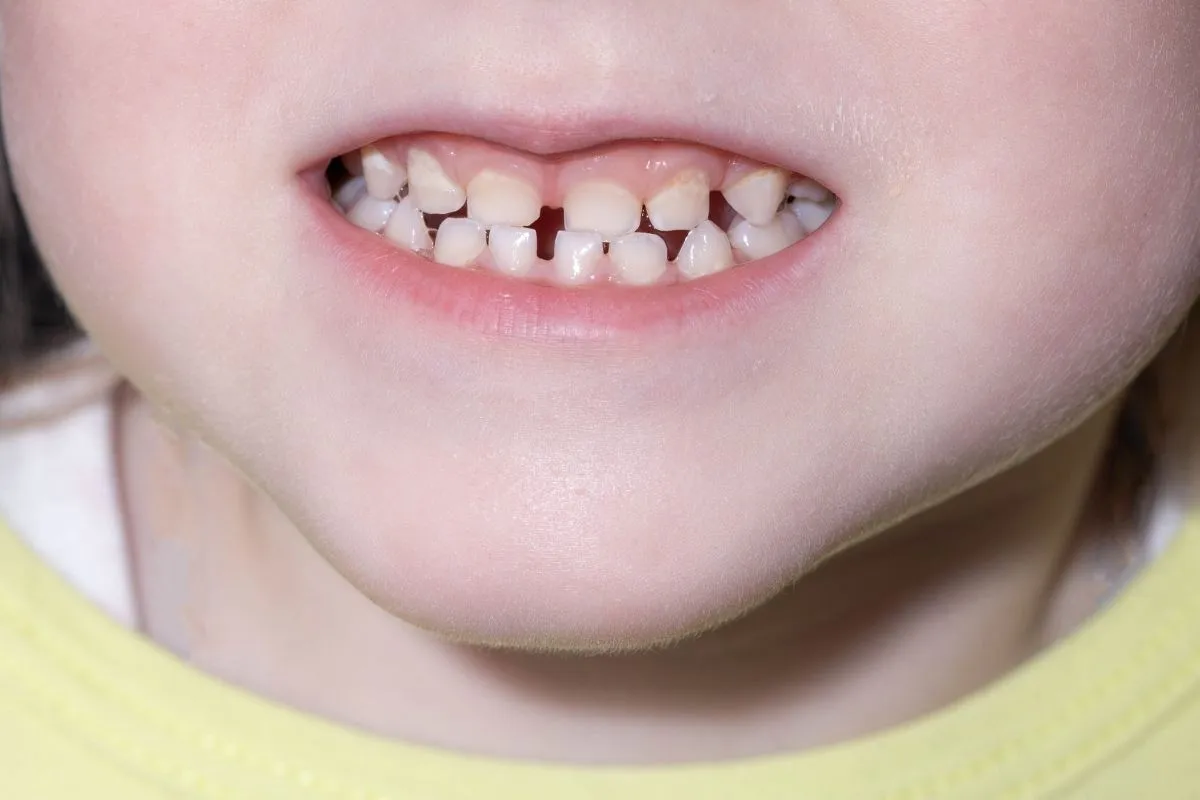
Noticing a permanent tooth growing in at an angle can make parents wonder whether their child's smile will straighten naturally or need orthodontic treatment. Permanent teeth often appear crowded, rotated, or out of line during the transition from baby teeth. Some changes are part of normal development, while others may indicate limited space, bite problems, or an issue with the way the teeth are erupting. Knowing when to seek an evaluation can help parents make informed decisions without rushing into unnecessary treatment.
If permanent teeth are coming in crooked, an early orthodontic evaluation can help determine whether the development is progressing normally. An evaluation does not automatically mean that a child needs braces. It allows a dental professional to assess the bite, available space, jaw growth, and eruption pattern so that potential concerns can be monitored or treated at the appropriate time.
One common reason permanent teeth appear crooked is that the jaw does not have enough room for all the incoming teeth. Permanent teeth are often larger than the baby teeth they replace. If the available space is limited, new teeth may emerge at an angle, overlap neighboring teeth, or appear crowded near the front of the mouth.
The timing of tooth eruption can also affect how the smile looks. Permanent incisors may appear uneven while other baby teeth are still present. As more permanent teeth emerge and the jaws continue to grow, some alignment changes may occur naturally. However, parents should not assume that every crooked tooth will correct itself without assessment.
Another possible factor is the early or delayed loss of baby teeth. Baby teeth help maintain the spaces needed for permanent teeth. If a baby tooth is lost too early because of decay, injury, or extraction, nearby teeth may drift into the space. This can reduce the room available for the permanent tooth and contribute to crowding.
Sometimes a baby tooth remains in place while the permanent tooth begins erupting behind or beside it. This can make the new tooth look unusually positioned. A pediatric dentist can determine whether the baby tooth is likely to fall out naturally or whether intervention may be needed. Do not try to pull a firmly attached baby tooth at home simply because a permanent tooth is appearing nearby.
Inherited jaw and tooth characteristics can also influence alignment. A child may have a smaller jaw, larger teeth, or a family history of crowding or bite problems. Other factors, including prolonged thumb sucking, persistent pacifier use, and certain tongue habits, can affect the developing bite when they continue beyond the usual early-childhood years.
Parents should watch for more than crooked front teeth. Difficulty biting or chewing, upper and lower teeth that do not meet comfortably, a lower jaw that appears significantly forward or backward, and teeth that protrude noticeably may all justify an evaluation. Mouth breathing, persistent difficulty closing the lips comfortably, or repeated biting of the cheeks may also be worth discussing with a dental professional.
An orthodontic evaluation typically includes an examination of the teeth, gums, bite, and jaw relationship. The provider may ask about the child's dental history, when baby teeth were lost, and whether any habits could affect alignment. Photographs, dental X-rays, or digital scans may be recommended when they are useful for understanding the tooth positions and eruption pattern.
The appropriate next step depends on what the evaluation reveals. If the teeth are developing normally, the provider may recommend observation and periodic monitoring rather than immediate treatment. This approach allows the permanent teeth to continue erupting while the dental team checks for changes in crowding and bite development.
When a specific problem is present, early treatment may help guide development. Some children benefit from interceptive orthodontic treatment, which addresses selected problems while the jaws and teeth are still developing. Depending on the case, this may involve an appliance that helps manage space, correct a developing bite problem, or guide the position of certain teeth.
Not every child needs treatment during the early mixed-dentition stage, when baby and permanent teeth are present together. Some children are better treated later, once more permanent teeth have erupted. The ideal timing depends on the type of problem, the child's growth, and the expected benefits of intervening early.
If crowding is the main concern, the orthodontic provider will assess how much space is available and whether the teeth can be aligned safely. Braces or clear aligners may be suitable for some children and teenagers, depending on their age, the complexity of the case, and their ability to follow treatment instructions. Other cases may require a different approach to manage the bite or available space.
Parents can support healthy dental development by helping children brush twice daily with fluoride toothpaste, clean between their teeth, and attend routine dental appointments. Treating cavities promptly helps preserve baby teeth until they are ready to fall out naturally. Children who participate in contact sports should use an appropriate mouthguard to reduce the risk of dental injuries.
Seek prompt dental advice if a permanent tooth is erupting with significant pain, swelling, or bleeding, or if the child has suffered an injury. Facial swelling, fever, or signs of infection require urgent assessment. Sudden changes in tooth position or a tooth that becomes loose without an expected reason should also be checked.
Crooked permanent teeth do not always require immediate braces, but early assessment can help distinguish normal development from problems that may benefit from treatment. By monitoring eruption, maintaining healthy baby teeth, and seeking professional advice when concerns arise, parents can help their children develop a healthier, more functional smile.








Sign in to leave a comment.