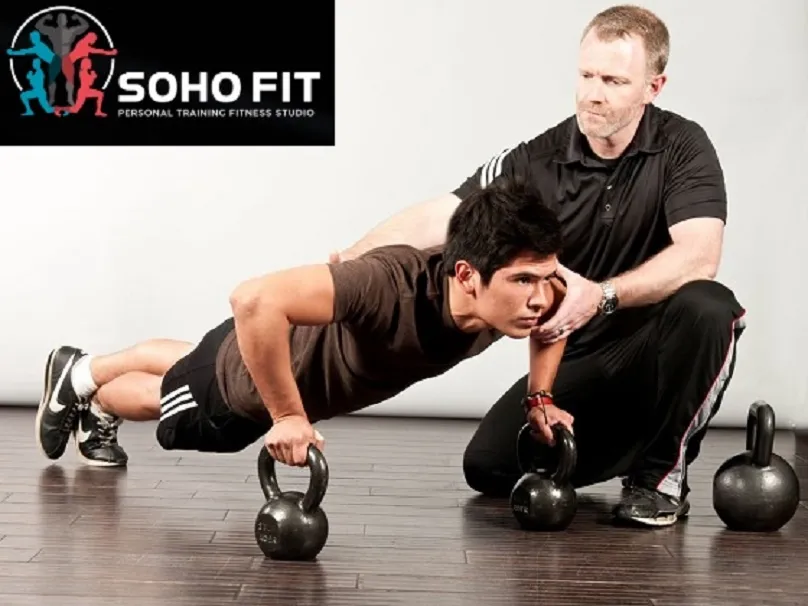

A Personal Fitness Trainer can provide structured guidance for people who want to improve strength, endurance, mobility, or overall physical fitness. Rather than following a generic workout routine, individuals can receive exercise instruction that considers their current abilities, goals, schedule, and experience level. Understanding what personal training involves can help beginners decide whether this approach fits their lifestyle.
Fitness is not limited to changing body weight or appearance. Regular physical activity can support cardiovascular health, muscular strength, balance, flexibility, energy, and everyday movement. A well-planned exercise program also considers recovery and gradual progression, helping people develop habits that can be maintained over the long term.
What Does a Personal Fitness Trainer Do?
A personal trainer is a fitness professional who helps individuals plan and perform structured exercise sessions. Depending on their qualifications and scope of practice, trainers may assess general fitness levels, demonstrate exercises, monitor technique, and adjust workouts as progress occurs.
A trainer may begin by discussing a person's goals, exercise history, schedule, and preferences. This information can help establish a practical starting point.
Common Responsibilities
A trainer may help with:
- Exercise instruction – Demonstrating movement techniques and explaining how exercises should be performed.
- Workout planning – Organizing exercises according to individual goals and fitness levels.
- Progress monitoring – Tracking changes in strength, endurance, mobility, or other appropriate fitness measures.
- Accountability – Providing structure that can encourage consistent participation.
A trainer does not replace a doctor, physical therapist, or other healthcare professional. Medical concerns and injuries should be addressed by appropriately qualified healthcare providers.

Why Personalized Exercise Plans Can Be Useful
Generic workouts can provide useful ideas, but they may not account for differences in fitness levels, movement abilities, or available equipment.
A personalized program can adjust exercise difficulty, volume, rest periods, and movement selection according to individual circumstances. Beginners, for example, may need more time to learn basic movement patterns before progressing to more demanding exercises.
Personalization can also make workouts more practical. Someone with a busy schedule may benefit from shorter sessions, while another person may have time for longer strength or cardiovascular workouts.
The goal is not necessarily to make every session difficult. Effective fitness programs generally balance challenge with recovery and consistency.
Types of Fitness Goals
People seek personal training for many different reasons. Defining a clear goal can make exercise planning more focused.
Strength Development
Resistance training can improve muscular strength and support everyday activities such as lifting, carrying, and climbing stairs.
Cardiovascular Fitness
Walking, cycling, swimming, rowing, running, and other aerobic activities can help develop endurance and support cardiovascular fitness.
Mobility and Flexibility
Mobility exercises can help people move through comfortable ranges of motion, while flexibility work may support specific movement goals.
Balance and Coordination
Balance exercises can be useful for improving body control and stability, particularly when incorporated appropriately into an overall fitness program.
General Wellness
Some individuals simply want a consistent exercise routine that supports an active lifestyle without focusing on a single performance goal.
How to Choose an Appropriate Trainer
Choosing a trainer involves more than finding someone who can demonstrate exercises. Qualifications, communication style, experience, and training philosophy can all matter.
Check Relevant Qualifications
Look for appropriate professional certifications and current credentials from recognized organizations. Trainers should also understand the limits of their professional role.
Discuss Your Goals
A preliminary conversation can help determine whether the trainer understands your objectives and expectations.
Ask About Program Structure
Find out how workouts are planned, how progress is measured, and how routines are adjusted over time.
Consider Communication
A good working relationship requires clear communication. You should feel comfortable asking questions and reporting discomfort or difficulty.

Comparison of Common Training Approaches
| Training Approach | Main Focus | Suitable For |
|---|---|---|
| One-on-one training | Individualized instruction | People seeking personalized guidance |
| Small-group training | Exercise with several participants | Those who enjoy social motivation |
| Independent gym training | Self-directed workouts | Experienced individuals comfortable planning routines |
| Online training | Remote guidance and programming | People seeking flexible access |
| Home-based training | Exercise in a familiar environment | Those with limited gym access |
The most appropriate format depends on personal preferences, goals, schedule, budget, and available resources.
What Happens During a Typical Session?
A personal training session can vary depending on the program and the individual's experience.
A session may begin with a warm-up involving light movement and mobility exercises. The main workout may then include strength, cardiovascular, balance, or flexibility activities.
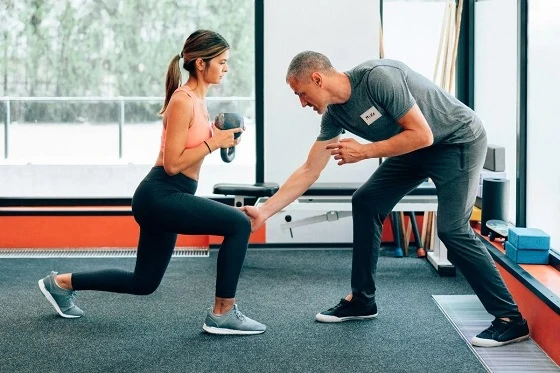
The trainer may demonstrate movements and provide feedback about posture, range of motion, breathing, or tempo.
A cool-down may follow the main workout. Recovery recommendations can also be discussed depending on the session's intensity.
Beginners should not feel pressured to perform advanced exercises immediately. Building a foundation of safe and controlled movement is generally more useful than progressing too quickly.
Actionable Tips for Getting Started
Set Specific Goals
Instead of simply deciding to "get fit," identify a measurable objective, such as exercising three times per week or improving a particular fitness ability.
Start Gradually
Increase workout difficulty progressively rather than attempting an intense routine immediately.
Prioritize Technique
Learn correct movement patterns before adding substantial resistance or speed.
Track Progress
Keep notes about workouts, repetitions, resistance, walking distance, or other relevant measures.
Schedule Recovery
Allow adequate recovery between demanding sessions and pay attention to signs of excessive fatigue.
These habits can make a fitness routine more manageable and sustainable.
Nutrition and Hydration Support Exercise
Exercise is only one part of an active lifestyle. Adequate nutrition and hydration support the body's normal functions and physical activity.
Meals containing a balance of protein, carbohydrates, healthy fats, vitamins, and minerals can contribute to overall nutritional needs. Individual requirements vary according to age, activity level, health status, and other factors.
Hydration is also important, particularly during longer or more intense workouts. Water needs can vary according to climate, activity, and individual circumstances.
People with specific dietary or medical requirements should seek guidance from an appropriately qualified healthcare or nutrition professional.
Recovery Is Part of Fitness
Training stimulates adaptation, but recovery provides time for the body to respond to exercise.
Sleep, rest days, appropriate nutrition, hydration, and manageable training volume can all contribute to recovery.
Persistent pain should not simply be treated as a normal part of exercise. Pain, dizziness, unusual shortness of breath, or other concerning symptoms warrant appropriate medical attention.
A sustainable program should leave room for adjustments when the body needs additional recovery.
Personal Training for Different Age Groups
Exercise needs can change throughout life. Younger adults may focus on athletic performance or strength, while older adults may place greater emphasis on mobility, balance, strength maintenance, and independence.
Training should always account for individual ability rather than relying solely on age.
People with medical conditions, previous injuries, or significant physical limitations should discuss exercise plans with appropriate healthcare professionals before beginning or changing an exercise program.

People Also Ask
What is a Personal Fitness Trainer?
A personal fitness trainer is a qualified fitness professional who provides individualized exercise instruction, workout planning, technique guidance, and progress support within their professional scope.
Is personal training good for beginners?
It can be useful for beginners because instruction can help them learn fundamental movements, understand exercise structure, and develop consistent habits.
How often should you work with a trainer?
There is no universal schedule. Frequency depends on goals, availability, experience, and whether the individual also exercises independently.
Can personal training help with weight management?
Exercise can contribute to energy expenditure and overall fitness, while sustainable weight management also involves nutrition, sleep, lifestyle factors, and individual health considerations.
What should you wear to a training session?
Comfortable clothing and supportive footwear that allow unrestricted movement are generally appropriate for most exercise sessions.
Frequently Asked Questions
How long is a typical personal training session?
Many sessions last approximately 30 to 60 minutes, although the duration depends on the program and individual circumstances.
Should beginners exercise every day?
Not necessarily. Beginners typically benefit from a balanced schedule that includes exercise and adequate recovery.
Can strength training be part of a beginner program?
Yes. Beginners can perform appropriately selected resistance exercises while learning proper technique and gradually increasing difficulty.
Is cardio necessary?
Cardiovascular activity is an important component of overall fitness, but the type, duration, and frequency should reflect individual goals and abilities.
Can workouts be modified?
Yes. Exercises can often be modified according to fitness level, available equipment, movement limitations, and personal goals.
Conclusion
A Personal Fitness Trainer can provide structure, exercise education, and individualized guidance for people working toward sustainable fitness habits. The most effective approach is generally one that balances appropriate challenge with recovery, consistency, realistic goals, and safe exercise techniques. People interested in age-specific exercise may also explore options such as Personal Trainer for Seniors when developing routines appropriate for older adults. Overall, informed planning and gradual progress can make physical activity a more practical and sustainable part of everyday life. For educational fitness resources and training services, Soho Fit Tampa is included here solely as the company associated with this guest post.
#Personal Fitness Trainer, #Personal Training, #Fitness Training, #Exercise Guide, #Strength Training, #Cardiovascular Fitness, #Mobility Training, #Workout Tips, #Healthy Lifestyle, #Personal Trainer for Seniors
Soho Fit Tampa
3431 S Westshore Blvd Tampa 33629
+1 813-586-0760

























Sign in to leave a comment.