Personal Injury Claims: Key Steps to Take After an Accident


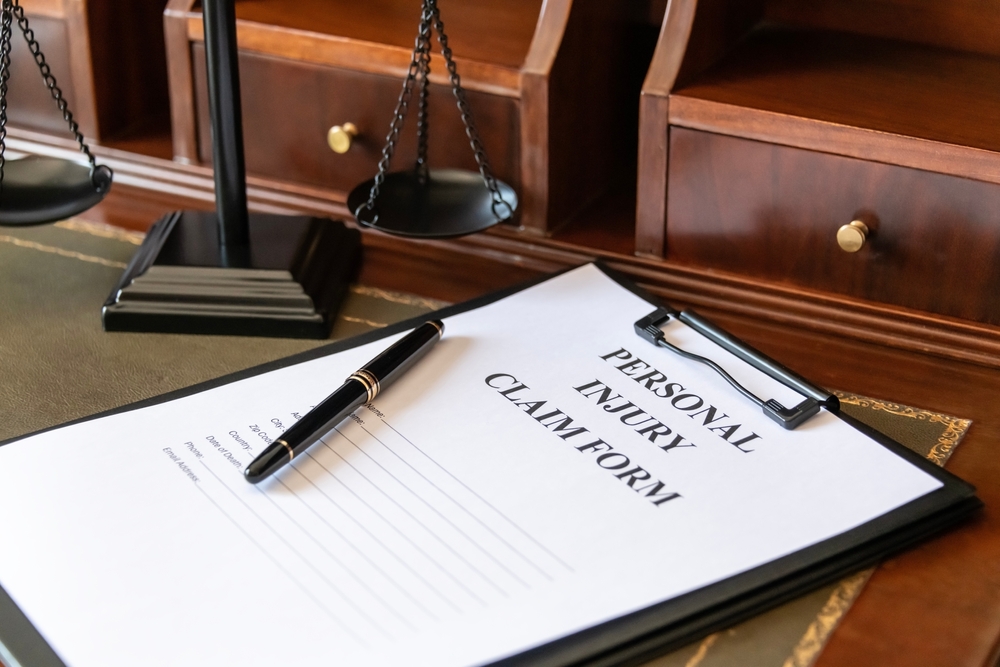
Summary: An accident can leave you dealing with physical injuries, medical expenses, lost income, and uncertainty about what to do next. If someone else's negligence contributed to your injuries, you may have grounds to pursue a personal injury claim. Understanding the process can help you protect your rights and make informed decisions. From seeking medical attention and collecting evidence to communicating with insurance companies and consulting an attorney, taking the right steps early can make a difference in how your claim is evaluated and resolved.
Introduction
An unexpected accident can disrupt nearly every part of daily life. Whether it involves a vehicle collision, a slip and fall, or an injury caused by unsafe conditions, the consequences may extend beyond the immediate physical harm. Medical appointments, missed work, rehabilitation expenses, and ongoing discomfort can create financial and personal challenges.
If another person's negligence or wrongful conduct caused or contributed to the incident, you may be able to pursue personal injury claims to seek compensation for your losses. However, filing a claim involves more than reporting an accident. You need to understand your rights, preserve relevant evidence, document your injuries, and follow the applicable legal procedures.
Knowing what to do after an accident can help you approach the process with greater clarity.
What Is a Personal Injury Claim?
A personal injury claim is a legal demand for compensation made by someone who has suffered physical, emotional, or financial harm because of another party's negligence or wrongful actions.
For example, a driver who causes a collision by ignoring traffic signals may be held responsible for injuries suffered by another motorist or pedestrian. Similarly, a property owner may face a claim if unsafe conditions on the premises cause someone to fall and sustain an injury.
A personal injury compensation claim may involve several categories of damages:
- Medical expenses: Costs associated with emergency treatment, hospital stays, medication, surgery, physical therapy, and future medical care.
- Lost income: Wages missed during recovery and, in certain cases, reduced future earning capacity.
- Pain and suffering: Compensation for physical pain and the emotional effects of an injury.
- Loss of enjoyment of life: The impact an injury has on everyday activities, hobbies, and relationships.
- Property damage: Financial losses involving damaged personal property, such as a vehicle.
The compensation available depends on the circumstances of the accident, the evidence, the applicable law, and the losses that can be established.
Key Steps to Take After an Accident
The actions you take immediately after an accident can affect your health, the available evidence, and your ability to pursue compensation. Consider the following steps.
1. Prioritize Your Health and Seek Medical Attention
Your first priority should be your health and safety. Seek emergency medical assistance if you have serious injuries. Even if an injury initially appears minor, arrange a medical evaluation as soon as possible.
Some injuries, including concussions, soft-tissue damage, and internal injuries, may not produce obvious symptoms immediately. A medical professional can assess your condition and recommend appropriate treatment.
Keep copies of medical reports, prescriptions, test results, discharge instructions, and bills. These records can help establish the nature of your injuries, the treatment you received, and the expenses associated with your recovery.
2. Report the Accident to the Appropriate Authorities
Report the incident to the relevant authority or responsible organization, depending on where and how it occurred.
For example:
- Car accidents: Contact law enforcement when required and report the collision to the appropriate insurance company.
- Slip-and-fall incidents: Notify the property owner, manager, or business representative and request that an incident report be prepared.
- Workplace accidents: Inform your employer or supervisor and follow the applicable workplace reporting procedures.
Try to obtain a copy of the incident or police report, where available. It may contain useful information about the date, location, people involved, and initial account of what happened.
3. Collect and Preserve Evidence
Evidence can help establish how an accident occurred, who may be responsible, and how the incident affected you.
If it is safe and practical to do so, collect:
- Photographs or videos of the accident scene.
- Images of visible injuries and property damage.
- Names and contact details of witnesses.
- Police or incident report information.
- Contact and insurance details of other parties involved.
- Relevant messages, emails, or written communications.
In some situations, evidence may disappear quickly. For example, surveillance footage may be overwritten, damaged property may be repaired, or witnesses may become difficult to contact. Preserve relevant information as early as possible.
4. Keep Records of Your Financial Losses
A personal injury claim may involve expenses and financial consequences that continue long after the accident.
Maintain an organized record of medical bills, transportation costs for treatment, rehabilitation expenses, and other accident-related spending. If you miss work, retain pay statements, employer correspondence, and other documents that help establish lost income.
You should also keep a record of how the injury affects your everyday activities. Details about mobility limitations, ongoing discomfort, or changes to your ability to work can help explain the broader impact of the incident.
5. Be Careful When Communicating with Insurance Companies
Insurance companies may contact you to request information, statements, or documents after an accident. Provide accurate information, but avoid guessing about details you cannot remember or making assumptions about who was responsible.
Be particularly careful before accepting an early settlement offer or signing documents that could release another party from further liability. An initial offer may not account for future medical treatment, continuing wage losses, or other long-term consequences.
Review the terms carefully and consider obtaining legal advice before agreeing to a settlement.
6. Understand the Applicable Filing Deadlines
Personal injury claims are subject to legal deadlines, known as statutes of limitations. Missing the applicable deadline can prevent you from pursuing a lawsuit.
In New York, many personal injury actions involving negligence must generally be commenced within three years of the injury. However, different rules may apply depending on the type of claim and the parties involved.
Claims against a municipality or certain government entities can involve much shorter notice requirements. For example, a Notice of Claim is generally required within 90 days in many cases involving local government entities. Motor vehicle accidents also have separate insurance reporting requirements.
Do not assume that every personal injury claim follows the same timeline. Consult an attorney promptly to understand the deadlines that apply to your circumstances.
How Does the Personal Injury Claims Process Work?
Once you have addressed your immediate medical needs and preserved important evidence, the claims process may involve several stages.
Initial Case Evaluation
The first step is reviewing the accident, injuries, available evidence, and potential legal responsibility. An attorney may examine medical records, incident reports, witness accounts, and insurance information to determine whether a claim may be viable.
Investigation and Evidence Collection
The next stage involves gathering additional documentation to support the claim. This may include medical records, expert opinions, employment information, photographs, and other evidence relevant to liability and damages.
Filing and Presenting the Claim
Depending on the circumstances, a claim may be presented to the responsible party's insurance company or another appropriate insurer. The claim should explain how the incident occurred, why another party may be responsible, and what losses resulted.
Negotiation and Settlement
The parties may negotiate to resolve the claim. Settlement discussions can involve reviewing medical expenses, lost income, the severity of the injury, and other damages.
A settlement should be evaluated carefully. Once a release is signed, the injured person may give up the right to seek additional compensation for the same incident.
Litigation, If Necessary
If the parties cannot reach an acceptable resolution, filing a lawsuit may be necessary. Litigation can involve formal discovery, depositions, motions, and potentially a trial. Not every claim goes to court, and the appropriate approach depends on the facts and legal issues involved.
What Factors Can Affect a Personal Injury Claim?
No two personal injury claims are exactly alike. Several factors may influence whether a claim succeeds and the amount of compensation that may be available.
- Severity of the injury: Serious or permanent injuries may involve greater medical needs and a more significant effect on daily life.
- Evidence of negligence: Documentation and witness accounts may help establish whether another party failed to exercise reasonable care.
- Medical treatment: The nature, duration, and cost of treatment can help demonstrate the extent of the injury.
- Financial consequences: Lost wages, reduced earning capacity, and future expenses may affect the value of a claim.
- Shared responsibility: The injured person's own conduct may affect the amount recoverable under applicable law.
Under New York's comparative negligence rule, a person's own culpable conduct generally does not automatically prevent recovery in a personal injury action. Instead, the damages may be reduced in proportion to that person's share of responsibility. Certain exceptions and special rules may apply, including in some motor vehicle cases.
Common Mistakes to Avoid When Filing a Claim
Even when an accident appears straightforward, avoidable mistakes can complicate the claims process.
- Delaying medical care: Waiting too long to seek treatment may create gaps in medical documentation and make it harder to establish the connection between the accident and your injuries.
- Failing to preserve evidence: Photographs, witness details, and incident reports can become difficult to obtain later.
- Providing inaccurate information: Speculating about the accident or giving inconsistent accounts can create questions about the reliability of your statement.
- Accepting a settlement too quickly: An early offer may not reflect the full extent of your losses, particularly if your treatment is ongoing.
- Ignoring legal deadlines: Different claims have different filing and notice requirements. Waiting too long can affect your ability to seek compensation.
- Assuming every accident automatically creates a claim: An injury alone does not establish another party's legal responsibility. The circumstances and available evidence must support the claim.
How Can Personal Injury Claim Assistance Help?
Navigating a claim while recovering from an injury can be difficult. Legal guidance can help you understand the process, identify potentially responsible parties, organize evidence, communicate with insurers, and evaluate settlement proposals.
An attorney can also explain which types of compensation may be available and whether litigation may be appropriate if negotiations do not resolve the dispute.
For individuals in New York, Radow Law Group, P.C. handles personal injury matters involving auto accidents, motorcycle and pedestrian accidents, slip-and-fall incidents, workplace injuries, and wrongful death claims. The firm represents clients across New York City and Long Island and assists with matters from initial consultation through settlement or trial.
Its personal injury practice also handles claims involving medical expenses, lost income, pain and suffering, and property damage. The firm states that it handles personal injury matters on a contingency basis, with its fee arrangement explained during the attorney-client engagement.
Conclusion
Taking the right steps after an accident can help protect your health, preserve important evidence, and support a potential personal injury claim. Seeking medical attention, reporting the incident, documenting your losses, and understanding applicable deadlines are all important parts of the process.
You do not have to navigate every legal and insurance-related issue alone. If another party's actions contributed to your injuries, speaking with a qualified attorney can help clarify your options and the steps involved in pursuing compensation.
Frequently Asked Questions
1. What is a personal injury claim?
A personal injury claim is a legal demand for compensation made by someone who has suffered harm because of another party's negligence or wrongful conduct. It may seek recovery for medical expenses, lost income, pain and suffering, and other eligible losses.
2. How long do I have to file a personal injury claim in New York?
Many negligence-based personal injury lawsuits in New York generally have a three-year statute of limitations. However, exceptions apply. Claims involving government entities may require a Notice of Claim within 90 days, and other types of cases may have different deadlines. It is important to seek legal advice promptly.
3. What compensation can I receive through a personal injury compensation claim?
Depending on the facts and applicable law, compensation may include medical expenses, lost wages, reduced future earning capacity, pain and suffering, and property damage. The available damages depend on the type of accident, the injuries, and the evidence supporting the losses.
4. Should I accept the first settlement offer from an insurance company?
Not without reviewing it carefully. An early offer may not account for ongoing treatment, future medical expenses, lost earning capacity, or other long-term effects. Consider consulting an attorney before signing a settlement agreement or release.
5. Do I need a lawyer to file a personal injury claim?
You are not always required to hire an attorney to pursue a claim. However, legal guidance can help you understand your rights, gather evidence, communicate with insurance companies, evaluate settlement offers, and navigate litigation if necessary.
6. What evidence do I need to support a personal injury claim?
Useful evidence may include medical records, accident or police reports, photographs, witness statements, insurance information, medical bills, and proof of lost income. The evidence required depends on the circumstances and the issues in dispute.
7. What is personal injury claim assistance?
Personal injury claim assistance refers to guidance provided during the process of pursuing compensation after an injury. It may include evaluating the claim, collecting evidence, communicating with insurers, negotiating a settlement, and representing the injured person in court when necessary.








Sign in to leave a comment.