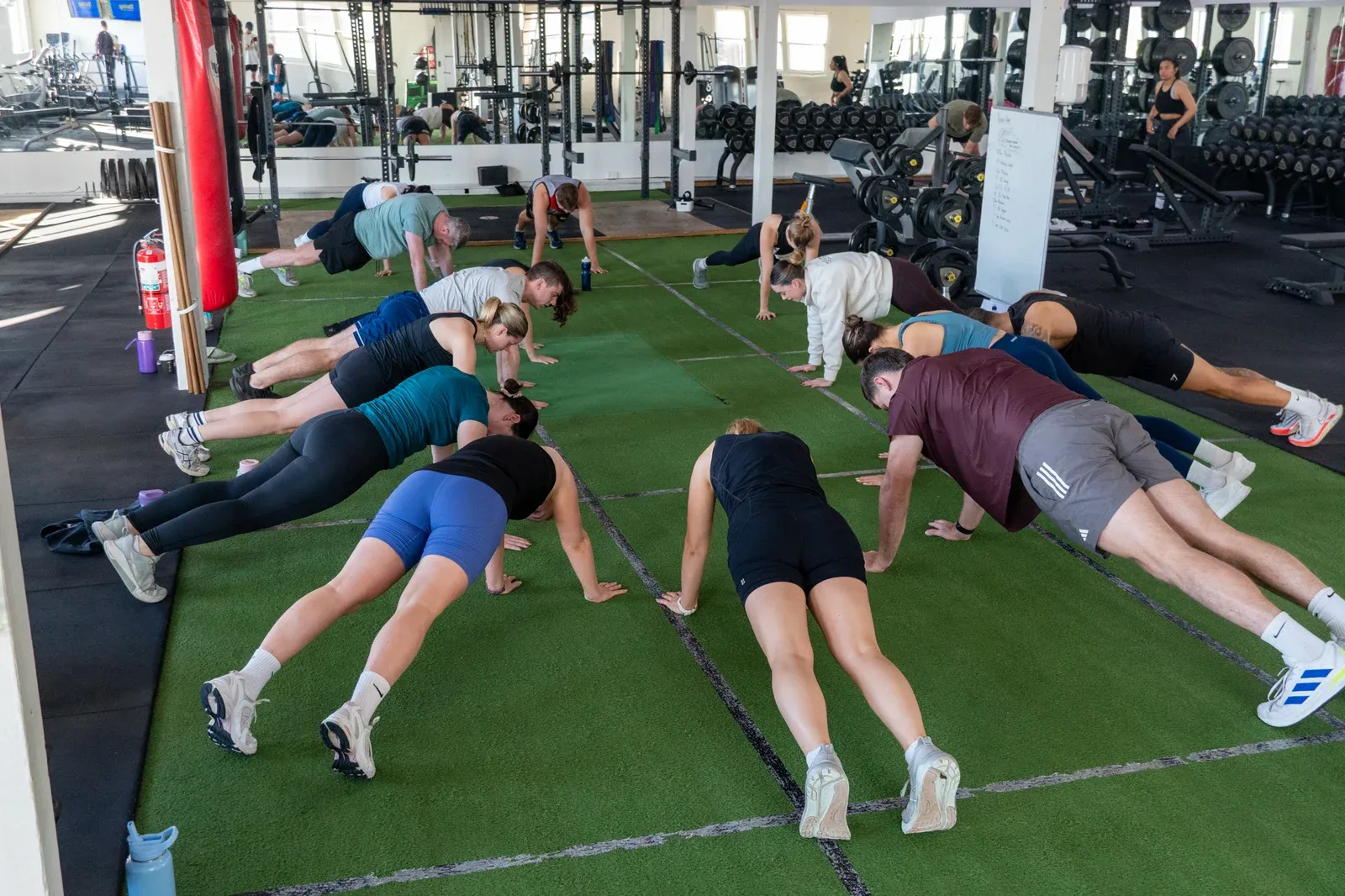

Starting an exercise routine is one thing. Knowing what to do, how much to do, and how to keep making progress is another. This is where personal training in Randwick can make a meaningful difference. Instead of walking into a gym and trying to figure everything out alone, personal training gives you the guidance of a fitness professional who can structure exercise around your abilities, goals, and lifestyle.
A personal trainer can help turn a vague goal such as “I want to get fitter” into a practical plan. That might involve improving strength, becoming more active, increasing cardiovascular fitness, building confidence with exercise, or developing healthier habits that are easier to maintain.
The value is not simply having someone count repetitions. Good personal training is about understanding where you are starting, identifying realistic targets, teaching you how to exercise safely, and adjusting your sessions as you develop.
For people looking for a more focused approach to fitness around Randwick, working with a trainer can provide structure without making exercise feel unnecessarily complicated.
What Is Personal Training?
Personal training is individualised exercise instruction provided by a qualified fitness professional. Rather than following exactly the same routine as everyone else, your sessions can be adapted according to your current fitness level, goals, preferences, and practical circumstances.
Think of it like having a driving instructor when learning to drive. You could technically sit in a car and experiment on your own, but an experienced instructor can explain what to do, point out mistakes, and help you develop the right habits from the beginning.
Personal training works in a similar way.
A trainer can demonstrate exercises, observe your technique, adjust movements when necessary, and help you understand why a particular exercise has been included in your program.
The exact approach will depend on the trainer and your objectives. Some people may focus on resistance training, while others may include cardiovascular exercise, mobility work, balance exercises, or a combination of different methods.
Why Individual Guidance Can Be Useful
One of the biggest challenges with exercise is knowing whether your routine actually matches your goal.
Someone trying to build strength may need a different approach from someone preparing for a recreational event. A person returning to exercise after a long break may need a more gradual starting point than someone who has trained consistently for years.
Following a random workout found online can make it difficult to know whether the exercises are appropriate or whether the overall routine is balanced.
With personal training in Randwick, the trainer can make decisions based on your individual circumstances rather than giving you a generic list of exercises.
That personal attention can also make workouts more efficient. Instead of spending a large part of a session wondering what to do next, you can arrive with a plan and focus on completing it properly.
Setting Realistic Fitness Goals
Fitness goals are easier to work towards when they are specific.
“I want to be healthier” is a positive intention, but it does not tell you what action to take. A more practical goal might be improving your ability to climb stairs without becoming as tired, becoming stronger during everyday activities, exercising consistently each week, or improving your general fitness.
A personal trainer can help break a large objective into smaller steps.
Imagine trying to climb a staircase that has 100 steps. Looking only at the top can make the task seem enormous. Focusing on the next few steps makes it much easier to see the process.
Fitness progress can work the same way.
Small improvements can build towards larger results. You may initially focus on learning correct exercise movements. Later, you may increase resistance, improve endurance, or perform a movement with greater confidence.
Strength Training Made More Approachable
Strength training is not only for athletes or experienced gym users.
Everyday activities require strength. Carrying groceries, lifting a suitcase, getting up from a chair, climbing stairs, and moving household objects all involve your muscles working against resistance.
A personal trainer can introduce strength exercises progressively, starting with movements that match your current ability.
Resistance can come from different sources, including body weight, free weights, resistance bands, machines, or other training equipment. The appropriate choice depends on the person and the exercise.
The important point is that strength training can be adjusted.
You do not have to start by lifting heavy weights. In fact, learning how to perform an exercise correctly is often more important than immediately increasing the load.
Improving Cardiovascular Fitness
Cardiovascular fitness refers to how efficiently your heart and lungs support physical activity.
Walking, jogging, cycling, rowing, swimming, and other activities can contribute to cardiovascular fitness. The intensity and duration can be adjusted depending on your starting point.
For someone who has been inactive, even moderate activity may feel challenging initially. A trainer can help create a gradual progression rather than expecting you to jump straight into demanding workouts.
This matters because fitness is built over time.
Think of it like charging a phone battery. You do not need to go from empty to full instantly. Regular charging keeps the battery functioning. Similarly, consistent exercise can help develop fitness more sustainably than occasional sessions that leave you exhausted.
Learning Better Exercise Technique
Exercise technique can influence how effectively you perform a movement.
A squat, for example, may look simple from the outside. However, several parts of the body need to work together while you maintain control. A trainer can demonstrate the movement and provide practical feedback.
This does not mean every exercise needs to look identical for every person.
Bodies differ. Mobility, proportions, experience, and physical capabilities vary. A good trainer should be able to modify an exercise when necessary rather than forcing everyone into exactly the same position.
Learning the basics can also make independent exercise easier. Once you understand how a movement should feel and what you are trying to achieve, you can become more confident when exercising on your own.
Making Workouts Fit Your Lifestyle
A workout plan only works if you can actually follow it.
Someone with a busy work schedule may not have the same opportunities for exercise as someone with large amounts of free time. Family responsibilities, commuting, study, social commitments, and personal preferences can all influence how often someone can train.
Personal training can help account for these practical factors.
Rather than designing an unrealistic seven-day routine, a trainer can help establish an approach that fits the time you genuinely have available.
This is important because consistency usually beats perfection.
A manageable routine performed regularly can be far more useful than an ambitious schedule that becomes impossible to maintain after a few weeks.
Building Confidence Around Exercise
Walking into a gym for the first time can feel uncomfortable.
You may not know which equipment to use, how much resistance to choose, or whether you are performing an exercise correctly. It is easy to compare yourself with people who have been training for years.
Personal training can reduce some of that uncertainty.
You have someone there to explain what the equipment does, demonstrate movements, and provide direction. As you become more familiar with exercise, the environment may begin to feel less intimidating.
Confidence does not necessarily appear after one session. It develops through repeated experience.
The first time you perform a new exercise, it may feel unfamiliar. After practising it several times, the same movement can become much more natural.
Exercise for Different Stages of Life
Fitness needs can change throughout life.
A teenager, university student, office worker, parent, and older adult may have completely different priorities and physical capabilities. Even two people of the same age can have very different fitness backgrounds.
That is why personalised training can be useful.
A program can take into account someone's current activity level, previous exercise experience, preferences, and goals. The exercises can then be progressed gradually as the person becomes more capable.
For older adults, for example, maintaining strength, balance, mobility, and confidence with everyday movement may be especially valuable. For a younger adult, performance, general fitness, or building an exercise habit may be a greater priority.
There is no single definition of a successful workout.
Supporting Healthy Weight Management
Exercise can be part of a healthy weight-management strategy, but it is important to avoid unrealistic promises.
Body weight is influenced by many factors, including food intake, physical activity, sleep, genetics, medications, stress, and other aspects of health. Exercise can contribute to energy expenditure and help develop or maintain muscle, but it is not a magic solution.
A personal trainer can focus on creating an exercise routine that supports broader health and fitness goals rather than making unrealistic guarantees.
This approach is generally more useful in the long term.
Instead of judging every session by what the scale says the next morning, you can also pay attention to improvements in strength, endurance, movement, energy, and consistency.
Mobility, Balance and Everyday Movement
Being fit involves more than strength and endurance.
Mobility refers broadly to your ability to move your body through useful ranges of motion. Balance helps you remain stable while standing or moving. Coordination allows different parts of your body to work together.
These abilities are involved in ordinary tasks.
Getting out of a car, reaching into a cupboard, carrying a bag, walking up stairs, or picking something up from the floor all require a combination of physical skills.
A well-rounded personal training in Randwick program can include exercises that address several of these areas instead of concentrating on only one aspect of fitness.
That can make training feel more connected to real life.
Staying Accountable
Another benefit of personal training is accountability.
When you exercise alone, it can be easy to postpone a workout. You might tell yourself you will train tomorrow, then become busy with something else.
Having a scheduled session creates an additional reason to show up.
Accountability does not mean being pressured or judged. Ideally, it provides a sense of commitment. You have made time for your health, and someone is expecting you to attend.
This can be especially useful when motivation fluctuates.
Motivation naturally changes. Some days you may feel excited to exercise, while on other days you would rather stay on the sofa. A sustainable routine cannot depend entirely on feeling motivated every time.
Tracking Progress Beyond the Scales
Progress can be measured in several ways.
You might notice that you can lift more resistance than you could previously. Perhaps you can walk or cycle for longer, complete more repetitions, or perform an exercise with improved control.
You may also notice everyday changes.
Stairs might feel easier. Carrying shopping bags may require less effort. You may feel more comfortable moving after sitting for a long period.
These changes can provide useful feedback because fitness is not represented by a single number.
A good trainer can help identify meaningful markers of progress and adjust your program accordingly.
What to Look for in a Personal Trainer
Choosing a trainer deserves some thought.
Look for someone who communicates clearly and takes time to understand your goals. A trainer should be able to explain exercises in language you understand rather than relying on complicated terminology.
Professional qualifications and appropriate experience also matter.
It is equally important to find someone whose training approach suits your personality. Some people prefer energetic encouragement, while others respond better to calm, detailed instruction.
You should feel comfortable asking questions.
A productive trainer-client relationship is based on communication. If an exercise causes discomfort or you do not understand why you are doing something, you should be able to discuss it.
A Personal Approach to Training in Randwick
For people searching for personal training in Randwick, the local options can provide different approaches to exercise and coaching. The right choice will depend on your goals, schedule, preferred training environment, and current fitness level.
Catalyst Training Co can be considered by those looking for structured, individual-focused training as part of a broader fitness routine.
The objective should not be to copy someone else's workout. Your training should make sense for you.
That means starting at an appropriate level, learning the fundamentals, progressing gradually, and making adjustments when circumstances change.
Making Exercise a Long-Term Habit
A successful fitness routine should eventually become part of normal life rather than something you constantly have to force yourself to do.
Habits become easier when they are practical.
Scheduling sessions at times that suit your routine, choosing activities you enjoy, keeping expectations realistic, and recognising gradual improvements can all make exercise easier to maintain.
There will still be difficult weeks. Work may become busy. Travel may interrupt your routine. You may miss a session.
That does not mean the entire plan has failed.
The important thing is returning to your routine rather than treating one missed workout as a reason to stop altogether.
Conclusion
Personal training in Randwick can provide structure, guidance, accountability, and a workout plan built around individual needs. Whether your priority is becoming stronger, improving fitness, developing confidence, supporting healthy weight management, or simply becoming more active, personalised coaching can make the process easier to understand.
The most effective approach is rarely about doing the hardest workout possible. It is about doing the right type of exercise at an appropriate level and gradually giving your body a reason to adapt.
With clear goals, sensible progression, proper instruction, and consistency, exercise can become a practical part of everyday life rather than another short-lived fitness project. Personal training gives you a framework for that process while helping you learn how to move, train, and progress with greater confidence.





























Sign in to leave a comment.