

Older properties deliver a distinct level of architectural character, warmth, and history that modern tract housing rarely reproduces. Living in an established house brings unique charm and deep local roots. However, structural materials slowly degrade as decades pass by. Foundations shift, wood framing settles, and protective weather seals dry out over time.
These natural aging processes create convenient entry points for desert pests seeking water, food, or shade. Standard pest control spray applications often fail when core structural defects remain unsealed. Identifying where structural barriers break down allows property owners to fix issues before major infestations develop.
Foundation Settling and Exterior Wall Fractures
Every residential foundation experiences slight movement over time due to ground movement and weather shifts. Intense daytime heat expansion followed by cool night temperatures speeds up concrete and stucco stress. Small fractures form along exterior stucco walls, interior baseboards, and foundation slabs over changing seasons.
Insects like ants, spiders, and scorpions require very little room to get inside. A crack no wider than a credit card offers a direct route into interior living spaces. When perimeter sprays are applied only to visible exterior surfaces, pests travel safely through interior wall voids. Sealing exterior gaps with durable caulking or repair mortar is essential for long-term defense.
Deteriorated Seals on Doors and Windows
Door frames and window casings serve as primary defense boundaries for any residential property. When a home is new, flexible rubber seals and felt weatherstripping stop heat, dust, and pests. Continuous sun exposure dries out these materials over time, causing them to crack, shrink, and peel away.
Gaps frequently form along bottom door corners, garage entry points, and sliding glass patio doors. Rodents squeeze through openings as small as a nickel, while roaches easily crawl past brittle door sweeps. Replacing worn rubber sweeps stops pests before they ever step foot inside.
Aging Plumbing Systems and Moisture Build-Up
Older plumbing systems often develop slow, hidden leaks long before a pipe actually breaks. Minor drips near sink drains, shower pans, and outdoor spigots saturate surrounding wood over months. Persistent moisture accumulation creates ideal breeding conditions for termites, silverfish, and cockroaches.
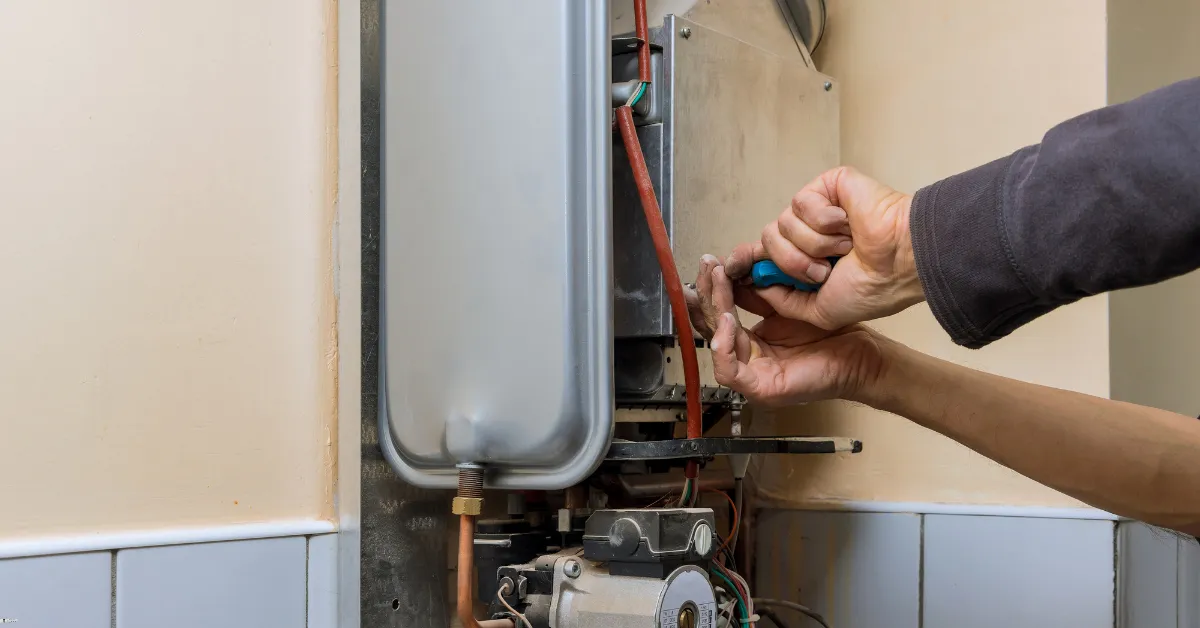
Subterranean termites actively seek out damp wood fiber buried near foundations or behind wet drywall. In dry climates, any steady water source attracts unwanted biological activity from surrounding yards. Checking regularly under cabinets, near water heaters, and along utility lines prevents hidden leaks from inviting pests inside.
Unsealed Utility Wall Penetrations
Modern building codes require strict sealing protocols where plumbing, electrical, and HVAC lines pass through walls. Older houses frequently lack tight insulation collars, leaving open gaps around copper pipes and conduit lines. Gas lines, breaker boxes, and air conditioning sleeves often feature crumbling sealants.
Pests use these utility pathways as protected corridors directly into kitchens, bathrooms, and utility closets. Expansion joints between concrete patio slabs and main home foundations also widen over decades. Filling these openings with expanding foam and steel mesh prevents burrowing pests from nesting under exterior slabs.
Roof Vents, Eave Gaps, and Attic Access Points
Roofs endure continuous exposure to harsh sun and seasonal weather year after year. Wood along eave lines can rot, fascia boards warp, and wire mesh screens over attic vents corrode or loosen. These elevated vulnerabilities offer easy access for roof rats, bats, and flying insects.
Rodents excel at climbing nearby tree branches or overhead utility wires to reach roof tiles and open eaves. Once inside an attic space, they damage ductwork insulation and chew electrical wiring. Installing heavy-gauge stainless steel wire mesh over attic vents and fixing damaged wood keeps upper structures secure.
Overgrown Vegetation and Exterior Contacts
Mature trees, heavy ivy, and dense shrubs add beauty, but they also create direct bridges to exterior walls. When tree branches touch roof tiles or siding, ants and rodents bypass ground-level chemical barriers entirely.
Decaying organic matter, stored firewood, and leaf litter trap moisture against foundation walls. This creates dark, cool zones where scorpions, beetles, and centipedes hide during hot daylight hours. Maintaining a three-foot clearance between plants and exterior walls reduces shelter options around the property.
| Problem Area | Primary Vulnerability | Recommended Action |
|---|---|---|
| Foundation & Stucco | Settling cracks & fractures | Fill gaps with elastomeric caulk or mortar |
| Doors & Windows | Brittle weatherstripping | Replace door sweeps and rubber corner seals |
| Plumbing Lines | Unsealed wall penetrations | Seal voids using steel mesh & expanding foam |
| Attic Vents | Corroded mesh or loose screens | Install heavy-gauge steel hardware cloth |
| Landscaping | Foliage touching exterior walls | Trim branches and bushes back 3 feet |
Long-Term Defense Strategies for Older Homes
Maintaining a resilient defense around a classic home requires a combined approach: physical exclusion and regular upkeep. Applying treatments without closing physical entry paths delivers short-term results at best. Pests will simply find another unsealed void or damaged sweep to gain entry.
Physical sealing must be paired with routine inspection habits. Checking high-risk areas twice a year helps identify deteriorating seals, minor plumbing leaks, and new foundation movement early. Understanding the primary causes behind pest control common failures in older homes empowers homeowners to take proactive steps, securing their property for years to come.
FAQ
Why do bugs keep getting inside even after spraying perimeter barriers?
Sprays treat accessible surfaces, but they do not block open physical entry paths. If doors have missing sweeps, window screens have tears, or stucco has open cracks, pests crawl past treated areas. Physical sealing must work alongside sprays for full protection.
Which pests are most common in older desert properties?
Subterranean termites, bark scorpions, roof rats, and American cockroaches are very common. Older homes offer these species more entry points, hidden moisture pockets, and unsealed voids than modern builds typically have.
How often should door sweeps and weatherstripping be replaced?
In hot, dry climates, rubber and foam weatherstripping degrades quickly. Inspect door sweeps and window seals annually, and replace them every two to three years or as soon as light shines through gaps.
Can rodents enter a home through attic vents?
Yes. Roof rats and mice easily chew through light plastic or thin aluminum vent screens. Installing heavy-gauge steel hardware cloth over all attic gable vents and soffit openings prevents climbing pests from accessing attic spaces.























Sign in to leave a comment.