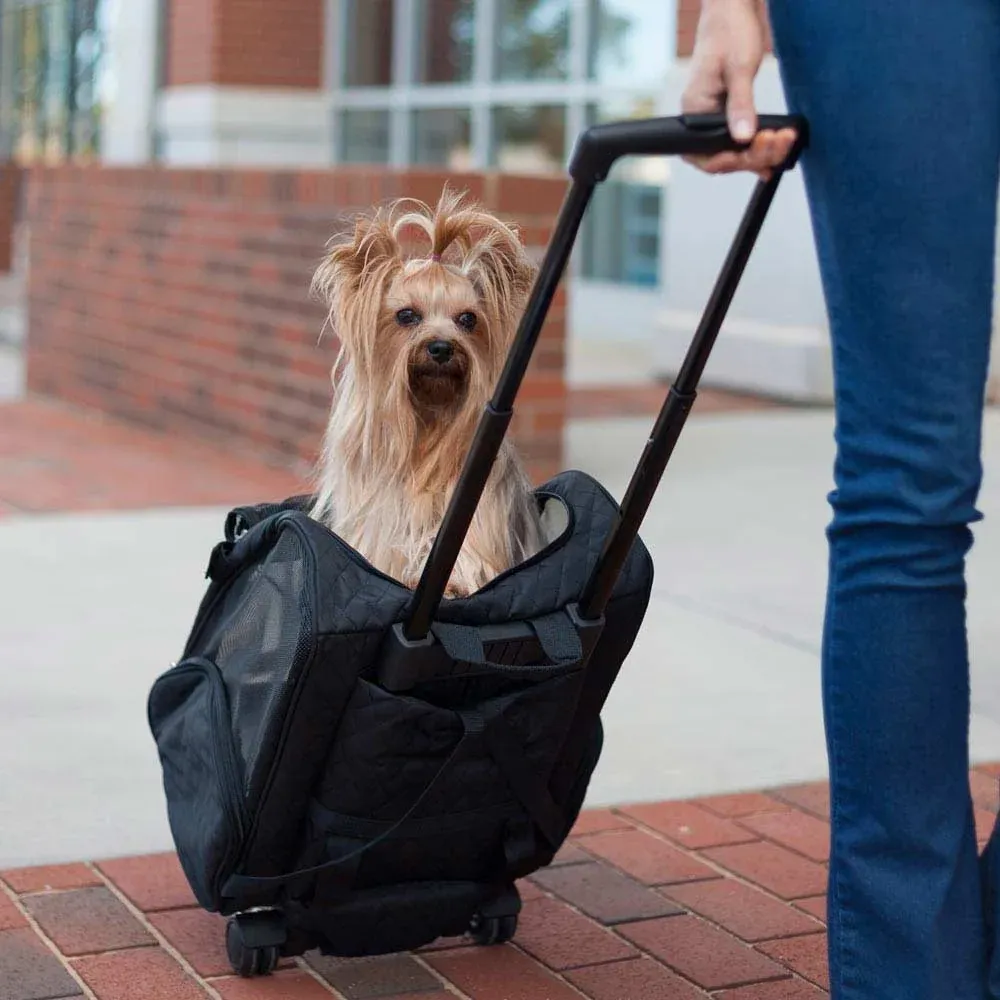

Travelling with a pet becomes much simpler when you have a dependable way to keep them secure. A Pet Carrier creates a dedicated space for your pet during vet visits, car journeys, holidays, and everyday trips.
The right carrier should balance comfort, safety, ventilation, and convenience. Choosing one that matches your pet's needs can make travelling less stressful for everyone.
What Is a Pet Carrier?
A Pet Carrier is a purpose designed container that allows owners to transport pets safely from one location to another. Carriers come in different sizes, materials, and styles for various animals and travel situations.
Some designs focus on lightweight portability, while others provide stronger construction for regular use. The right choice depends on your pet's size, weight, and travel routine.
Why Every Pet Owner Should Consider One
A suitable carrier provides more than a simple way to carry an animal. It can create a safer environment when your pet leaves familiar surroundings.
Provides Better Security
Traffic, crowds, loud sounds, and unfamiliar places can cause pets to move suddenly. A secure carrier helps keep them contained throughout the journey.
Makes Handling Easier
Moving a pet through busy locations can be challenging. A carrier gives you better control and makes transportation more manageable.
Supports Vet Visits
Veterinary appointments are part of responsible pet ownership. A familiar carrier can make the journey to and from the clinic more convenient.
Helps With Holidays
Travelling away from home requires additional preparation. A suitable carrier gives your pet a dedicated space during different parts of the journey.
How to Choose the Right Pet Carrier
Choosing a carrier requires careful consideration. Focus on practical features rather than appearance alone.
Measure Your Pet
Check your pet's length and height before buying. Your pet should have enough room to stand, sit, turn around, and adjust their position.
Check the Weight Capacity
Every carrier has a recommended weight limit. Make sure the carrier can comfortably support your pet without compromising stability.
Look for Good Ventilation
Airflow is essential for a comfortable journey. Choose a carrier with suitable ventilation openings or breathable panels.
Inspect the Closures
Secure zips, doors, clips, or fasteners help keep your pet safely inside. Check the closure system before every journey.
Consider Portability
Think about how you normally travel. Handles may work well for short journeys, while shoulder straps or wheels can provide extra convenience.
Choosing a Carrier for Cats
Cats often feel more comfortable when they have an enclosed and secure environment. A carrier can provide that space during unfamiliar journeys.
Introduce a new carrier at home before using it outside. Leave the door open and allow your cat to explore it naturally.
A familiar blanket can also help make the carrier feel more comfortable.
Choosing a Carrier for Small Dogs
Small dogs need enough internal space to remain comfortable while travelling. Choose a carrier according to your dog's measurements and weight.
Consider your normal travel method before making a decision. A lightweight carrier may work well for walking, while a more durable model can suit frequent journeys.
Helping Your Pet Become Comfortable
Pets may initially avoid a new carrier because it looks unfamiliar. Give them time to explore it without pressure.
Place the carrier somewhere your pet feels comfortable. Add familiar bedding or a favourite toy and allow your pet to enter voluntarily.
Once they become comfortable, practise short trips. Gradually increasing travel time can help your pet adjust before longer journeys.
For owners searching for convenient pet travel options, Pet Pet Carrier UK offers a selection designed for different transportation needs. A suitable carrier can help make vet visits, local outings, road trips, and holidays easier while providing pets with a secure space throughout their journey.
Cleaning Your Pet Carrier
Regular cleaning keeps the carrier fresh and comfortable. Remove loose hair, dirt, and bedding after trips when required.
Use cleaning methods suitable for the carrier's material. Always follow the manufacturer's care instructions and allow the carrier to dry fully after cleaning.
Inspect the carrier regularly for damage. Replace or repair damaged components before using it for another journey.
Pet Carrier Safety Tips
Always check the carrier before placing your pet inside. Make sure the doors, fasteners, handles, and seams remain secure.
Never cover ventilation openings completely. Your pet needs sufficient airflow throughout the journey.
When travelling by car, position the carrier securely so it does not move excessively. Avoid exposing your pet to extreme temperatures.
Common Buying Mistakes
One of the most common mistakes involves buying a carrier without measuring the pet. Proper measurements help ensure better comfort.
Another mistake involves choosing a carrier only because it looks attractive. Practical features such as ventilation, security, size, and durability matter more.
You should also consider the carrier's weight. A heavy design may become difficult to carry when combined with your pet's weight.
Final Thoughts
A Pet Carrier provides a practical way to transport pets safely and comfortably. The right carrier should offer sufficient space, reliable ventilation, secure closures, durable materials, and convenient handling.
Take time to understand your pet's needs and consider how you plan to use the carrier. With the right choice and proper preparation, every journey can become easier for you and your pet.



















Sign in to leave a comment.