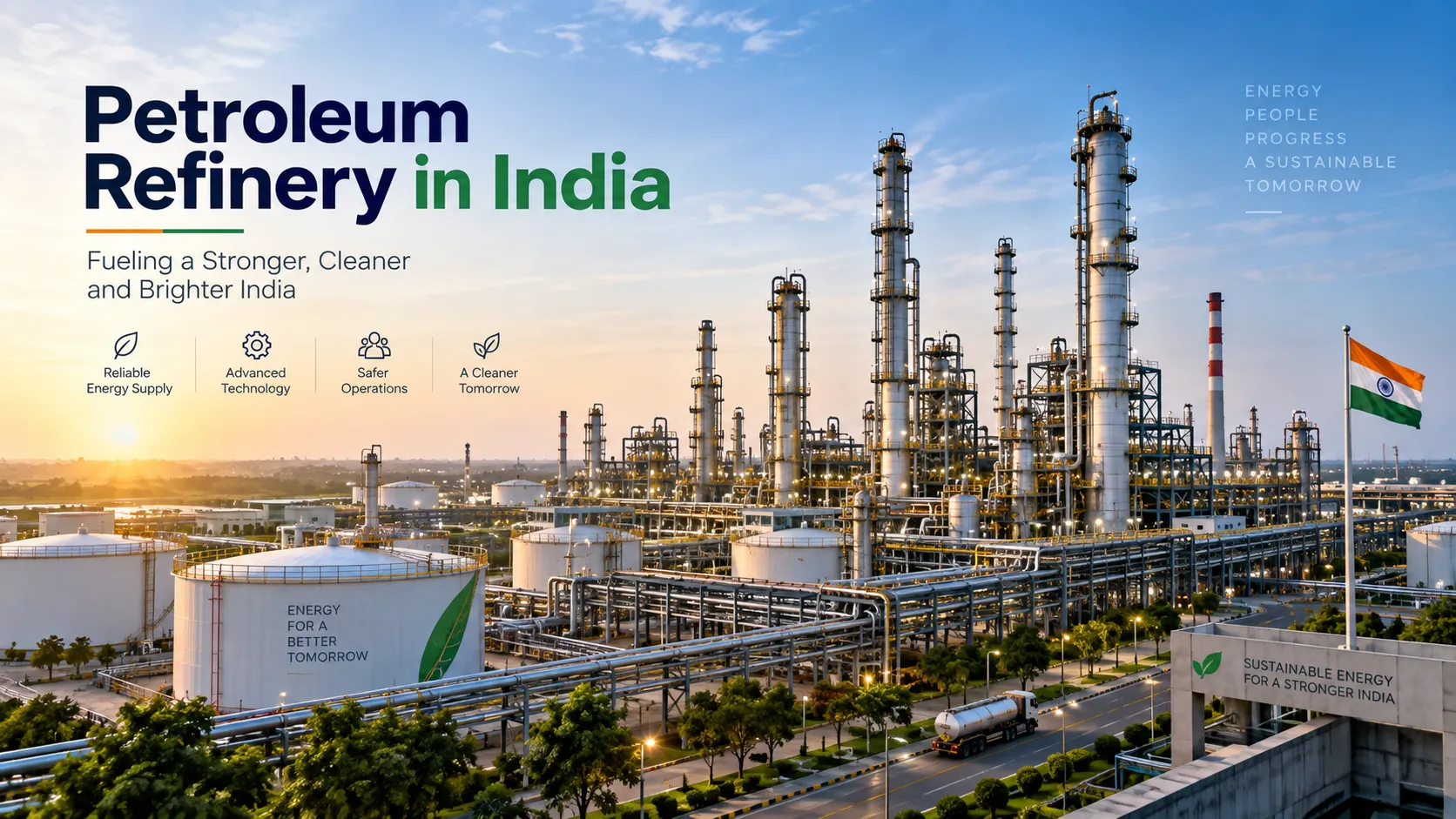

Filled your tank recently and noticed supply feels steadier than before? Part of the answer sits in Rajasthan, Bihar, and Assam — at refinery sites most drivers will never see. Almost every petroleum refinery in India is either adding a unit, upgrading one, or shutting an old unit down to build something bigger in its place. This isn't routine maintenance. It's a coordinated push that's reshaping how fuel reaches the pump.
What makes India's refining sector different right now?
India is already the world's fourth-largest refiner, and Asia's second-largest, behind only China. That alone makes it worth watching. But 2026 looks different from the usual steady growth. It's a burst of new projects landing almost together.
The clearest example is the new Barmer Refinery in Rajasthan, run by HPCL Rajasthan Refinery Limited. Its start-up, along with an integrated petrochemical complex, pushed India's total crude processing capacity from about 5.72 million to 5.9 million barrels a day in one move. Right now, Barmer's crude unit runs at roughly half capacity. Its downstream units are still being tested, with full start-up expected by mid-2026.
Barmer isn't just a fuel refinery. It runs on a blend of domestic Mangala crude and imported Arab Mix crude. It will produce about 13,000 kilolitres a day of ultra-low sulphur diesel, plus BS-VI compliant petrol. On the petrochemical side, it will make polypropylene, butadiene, LLDPE, HDPE, benzene, and toluene — feeding directly into India's petrochemical industry.
Which refineries are adding capacity, and where?
Barmer is just one piece. Three other refineries are adding crude units at the same time. Barauni Refinery is building a fresh 180,000-barrel-per-day unit, while retiring three older units totalling 120,000 barrels a day once the new one is ready in 2027. Numaligarh Refinery in Assam is expanding by 120,000 barrels a day. Panipat Refinery in Haryana is adding 200,000 barrels a day. Smaller top-ups at Digboi and Kochi add another 47,000 barrels a day between them.
Add it all up, and India's refining capacity could reach 6.32 million barrels a day by late 2027. Most of this comes from public-sector refineries. The expansion isn't just about volume, either. It's also about handling a wider range of crude oils, including cheaper, higher-sulphur grades, while still meeting BS-VI emission norms.
How reliable is India's refining system today?
This is where the numbers stand out. Average capacity availability across Indian refineries topped 96% in 2025 — a figure most global refiners would envy. That matters because new capacity turns almost directly into usable fuel supply, instead of getting lost to outages or bottlenecks.
Strong economic growth and a fast-growing middle class are driving demand for jet fuel, petrol, and diesel, and that demand shows no sign of slowing soon. This new capacity is built to serve two markets at once: home consumption and exports. India's petroleum product exports touched 61.4 MMT in FY26, showing how central refining has become to the country's trade position.
What role does the petrochemical industry play in this expansion?
New refining capacity and India's petrochemical industry are now growing together. Refiners aren't just making fuel anymore. Plants like Barmer are integrated complexes that feed plastics, polymers, and industrial chemicals straight into manufacturing supply chains. India already uses 25-30 million metric tonnes of petrochemicals a year, and that figure is set to climb sharply as cities grow and incomes rise.
The government is backing this shift with real money: a planned capital outlay of roughly Rs 3,28,227 crore (about US$ 37 billion) to turn India into a petrochemicals powerhouse by 2030, supplying up to one-third of the world's new capacity additions. In practice, refineries built today are designed from day one to double as petrochemical feedstock hubs, not just fuel producers.
What does this mean for fuel supply going forward?
Ethanol blending and rising EV adoption in two- and three-wheelers may slow gasoline demand growth eventually. But the near-term picture is clear: expanding, more resilient fuel supply, built on newer, larger units that can process tougher crude and still deliver cleaner, BS-VI fuel at scale.
Frequently Asked Questions
How many refineries does India currently operate? India runs 23 refineries across the public and private sectors, forming one of the largest refining networks in the world.
What is the newest petroleum refinery in India? The Barmer Refinery in Rajasthan, run by HPCL Rajasthan Refinery Limited, is India's newest grassroot refinery, built with an integrated petrochemical complex.
How does refining growth connect to India's petrochemical industry? New refineries like Barmer are built as integrated complexes. They produce both fuels and petrochemical feedstocks, such as polypropylene and benzene, directly feeding India's growing petrochemical industry.


























Sign in to leave a comment.