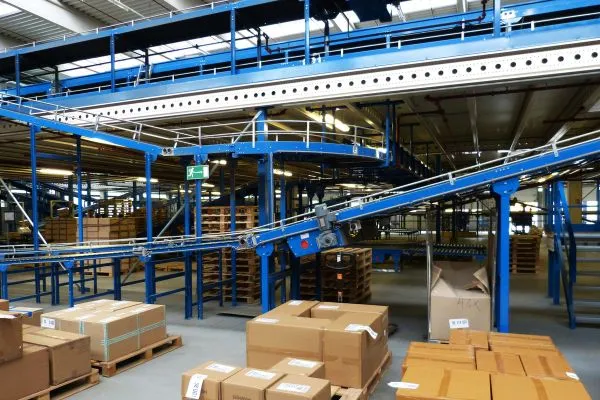

Getting a medicine from a manufacturing facility to a hospital, pharmacy, laboratory, or patient is far more complicated than simply moving a package from one location to another. Pharmaceutical products can be sensitive to temperature, humidity, light, handling conditions, and delivery delays.
This is where pharmaceutical logistics becomes an essential part of the healthcare supply chain. It combines transportation, warehousing, inventory management, monitoring, documentation, and regulatory processes to help pharmaceutical products reach their destination in suitable condition.
For businesses operating in this sector, understanding how the pharmaceutical supply chain works can help identify risks, improve operational efficiency, and protect product quality.
What Is Pharmaceutical Logistics?
Pharmaceutical logistics refers to the planning and management involved in storing, handling, transporting, and distributing medicines and other healthcare products.
Unlike conventional freight, pharmaceutical shipments often have strict requirements. Certain products may need controlled temperatures throughout transportation, while others require specialized packaging, security measures, or carefully documented handling procedures.
A typical pharmaceutical supply chain may involve:
- Pharmaceutical manufacturers
- Specialized warehouses
- Logistics providers
- Freight forwarders
- Distributors
- Hospitals and healthcare facilities
- Pharmacies
- Laboratories
- End customers
The objective is not simply fast delivery. The shipment must also maintain the required conditions throughout its journey.
Why Pharmaceutical Supply Chains Require Special Handling
A delay in delivering ordinary commercial goods may be inconvenient. With pharmaceutical products, the consequences can be considerably more serious.
Some medicines and biological products can lose their intended quality if exposed to unsuitable environmental conditions. Temperature excursions, poor packaging, incorrect storage, or inadequate monitoring can therefore create significant supply-chain risks.
This makes logistics planning particularly important for:
- Vaccines
- Biologics
- Temperature-sensitive medicines
- Clinical trial materials
- Diagnostic products
- Certain injectable medicines
- Pharmaceutical ingredients
The specific handling requirements depend on the product, manufacturer instructions, and applicable regulations.
The Role of Temperature-Controlled Logistics
One of the most important areas within pharmaceutical transportation is temperature management.
Products that require controlled environmental conditions may need refrigerated vehicles, insulated packaging, temperature-monitoring devices, or specialized storage facilities.
The process generally involves more than maintaining a particular temperature during transportation. Logistics teams may need to consider the entire journey, including:
Manufacturing → Storage → Loading → Transportation → Customs → Distribution → Final Delivery
Any weak point in this chain can potentially affect the shipment.
For this reason, temperature monitoring and documented handling procedures are important components of a reliable pharmaceutical distribution system.
Pharmaceutical Warehousing Is More Than Storage
A pharmaceutical warehouse needs to support product quality as well as inventory availability.
Depending on the products being handled, facilities may require controlled environments, restricted access, specialized storage zones, inventory tracking systems, and appropriate monitoring equipment.
Effective pharmaceutical warehousing typically focuses on:
- Correct product identification
- Inventory visibility
- Appropriate storage conditions
- Batch and expiry management
- Secure handling
- Accurate documentation
- Efficient order processing
Inventory rotation is another important consideration. Managing products according to expiry dates can help reduce unnecessary waste and prevent avoidable stock issues.
Compliance and Documentation in Pharmaceutical Logistics
Regulatory compliance is a major consideration when pharmaceutical products cross borders or move through multiple supply-chain partners.
Documentation may cover shipment details, product information, handling requirements, temperature records, customs information, and other operational data.
Depending on the shipment and destination, businesses may need to work with applicable pharmaceutical distribution and transportation standards, customs requirements, and national regulations.
This is one reason why pharmaceutical logistics providers need processes that are both operationally efficient and properly documented.
Managing Pharmaceutical Shipments Across Borders
International pharmaceutical shipping introduces additional complexity.
A shipment may pass through multiple countries, airports, warehouses, customs authorities, and transportation providers before reaching its destination.
Potential challenges include:
- Customs clearance delays
- Different regulatory requirements
- Time-zone differences
- Temperature-control risks
- Documentation errors
- Limited transportation availability
- Security concerns
- Unexpected route disruptions
Careful pre-shipment planning can reduce the likelihood of avoidable delays.
Technology Is Changing Pharmaceutical Logistics
Modern supply chains increasingly rely on technology to improve visibility and control.
Tracking platforms can provide shipment updates, while connected monitoring devices can help logistics teams identify environmental changes during transportation.
Technology can support areas such as:
- Real-time shipment visibility
- Temperature monitoring
- Inventory management
- Route planning
- Digital documentation
- Exception alerts
- Supply-chain analytics
The value of these systems is not simply collecting data. The information needs to help logistics teams make faster and better decisions when something goes wrong.
Common Challenges in Pharmaceutical Transportation
Even a carefully designed logistics network can face unexpected problems.
1. Temperature Excursions
A shipment may be exposed to unsuitable conditions because of equipment failure, delays, incorrect packaging, or handling problems.
2. Delivery Delays
Airport congestion, customs procedures, weather, or transportation disruptions can affect delivery schedules.
3. Product Security
High-value pharmaceutical shipments can require additional security measures to reduce theft, tampering, or unauthorized access.
4. Supply Chain Visibility
When multiple logistics partners are involved, obtaining accurate shipment information can become difficult without integrated tracking systems.
5. Regulatory Complexity
Different markets can have different requirements, making international pharmaceutical distribution more demanding.
How Businesses Can Improve Pharmaceutical Logistics
Improving pharmaceutical supply-chain performance usually requires a combination of planning, technology, trained personnel, and reliable logistics partners.
Businesses can consider:
Evaluate the entire supply chain: Identify where delays, temperature risks, or documentation problems are most likely to occur.
Choose suitable packaging: Packaging should match the product's handling and environmental requirements.
Monitor shipments: Tracking and environmental monitoring can improve visibility during transportation.
Prepare contingency plans: Alternative routes, backup storage, and emergency procedures can help manage unexpected disruptions.
Work with experienced logistics partners: Pharmaceutical shipments require more specialized knowledge than conventional freight.
Review performance regularly: Delivery times, temperature incidents, damaged shipments, and other operational indicators can reveal areas for improvement.
Choosing a Pharmaceutical Logistics Provider
Price should not be the only factor when selecting a logistics partner for pharmaceutical shipments.
Businesses should evaluate whether the provider has experience with the relevant product category, transportation route, storage requirements, monitoring systems, documentation processes, and regulatory environment.
Important questions to consider include:
- Can the provider manage temperature-sensitive shipments?
- How are shipment conditions monitored?
- What happens if a shipment experiences a temperature excursion?
- Can the provider support international transportation?
- How is shipment data recorded and shared?
- What contingency procedures are available?
- Does the provider understand the regulatory requirements relevant to the shipment?
A logistics partner should be evaluated based on its ability to manage the complete supply-chain journey, not just the transportation segment.
The Future of Pharmaceutical Logistics
Pharmaceutical supply chains are becoming increasingly technology-driven and interconnected. Better tracking, automated data collection, predictive analytics, and improved inventory systems are helping companies gain greater visibility over their operations.
At the same time, the growth of temperature-sensitive therapies and international healthcare markets is increasing the need for specialized logistics capabilities.
The future of pharmaceutical logistics is therefore likely to focus on greater visibility, stronger risk management, faster response times, and more reliable product handling.
Final Thoughts
Pharmaceutical logistics plays a critical role in connecting pharmaceutical manufacturers with the healthcare providers and patients who depend on their products. From controlled storage and temperature monitoring to international transportation and regulatory documentation, every stage of the journey can influence the condition and availability of a pharmaceutical shipment.
For companies involved in pharmaceutical distribution, investing in appropriate logistics processes is not simply an operational decision. It is an important part of maintaining product integrity, supply-chain reliability, and customer confidence.



















Sign in to leave a comment.