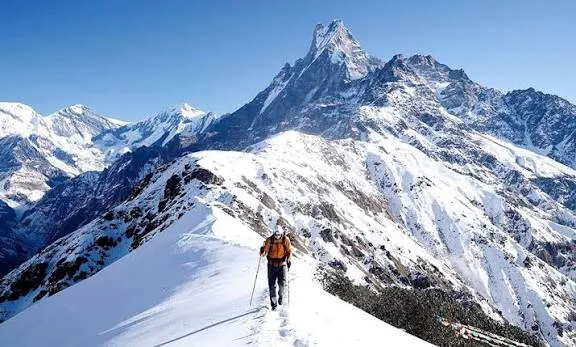

Pikey Peak Trek is a spectacular Himalayan journey that takes travelers through the peaceful landscapes of Nepal’s lower Everest region. Known for its beautiful mountain panoramas, traditional Sherpa villages, colorful rhododendron forests, and peaceful trails, this trek offers an excellent alternative to busier trekking routes. It is a rewarding adventure for travelers who want to experience nature, culture, and breathtaking Himalayan scenery.
Discover the Pikey Peak Trek
Pikey Peak is one of the beautiful trekking destinations in the Solukhumbu region of Nepal. The trail passes through remote settlements, green forests, alpine landscapes, and open mountain ridges. As trekkers gain elevation, the surrounding scenery becomes increasingly impressive, with wide views of the Himalayan range appearing across the horizon.
A Peaceful Alternative in the Everest Region
Unlike some of the more crowded trails leading toward Everest Base Camp, the Pikey Peak route offers a quieter trekking experience. The peaceful surroundings allow travelers to enjoy the natural environment, interact with local communities, and experience traditional mountain life at a relaxed pace. The route is particularly attractive for trekkers searching for a less-commercialized Himalayan adventure.
Spectacular Himalayan Mountain Views
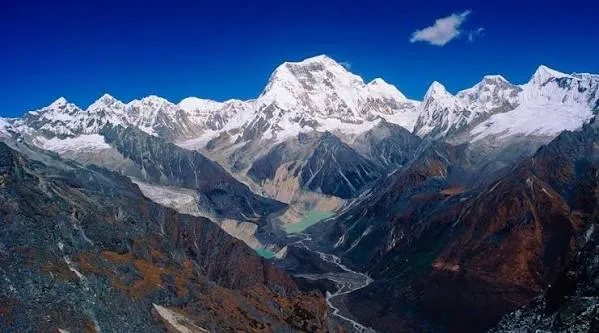
One of the greatest highlights of the journey is the panoramic mountain scenery. From higher sections of the trail, trekkers can enjoy impressive views of Mount Everest and several other Himalayan peaks when weather conditions are clear. Sunrise from the summit can be particularly memorable, as the first rays of sunlight illuminate the surrounding snow-covered mountains.
Explore Traditional Sherpa Villages
The trek provides opportunities to experience the culture and traditions of Sherpa communities. Villages along the route feature traditional houses, monasteries, prayer flags, mani walls, and local teahouses. Meeting local people and observing their way of life adds a meaningful cultural dimension to the adventure.
Walk Through Beautiful Rhododendron Forests
The lower and middle sections of the trail pass through beautiful Himalayan forests. Rhododendron, pine, oak, and other vegetation create a peaceful natural environment. During spring, blooming rhododendrons can make the forest particularly colorful and provide excellent opportunities for nature photography.
Pikey Peak Summit Experience
Reaching Pikey Peak is the main objective of the trek. The summit area provides an expansive viewpoint over the surrounding Himalayan landscape. Trekkers who reach the viewpoint around sunrise can enjoy an unforgettable panorama as mountains gradually appear in the morning light.
Explore the Lower Everest Region
The Pikey Peak route allows travelers to explore a different side of the Everest region. Instead of focusing only on the famous Everest Base Camp trail, this journey introduces trekkers to quieter valleys and mountain communities. The combination of natural scenery and cultural experiences makes the route an excellent way to discover the wider Solukhumbu area.
Junbesi and Local Culture
Junbesi is an important settlement associated with the Pikey Peak trek region. The village is surrounded by beautiful mountain landscapes and has strong cultural significance. Nearby monasteries and traditional Buddhist features provide opportunities for travelers to learn more about the spiritual traditions of Himalayan communities.
Diverse Landscapes Along the Route
The trek features a remarkable variety of landscapes within a relatively compact journey. Travelers can encounter terraced farmland, dense forests, mountain streams, grassy hillsides, rocky paths, alpine terrain, and high Himalayan viewpoints. The constantly changing scenery keeps the trekking experience interesting from one day to the next.
Sunrise and Sunset Views
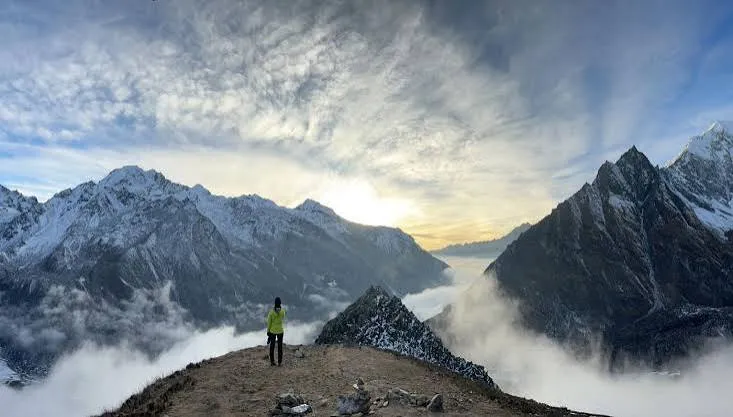
Pikey Peak is particularly well known for its beautiful sunrise and sunset scenery. Early mornings can provide clear views across the Himalayan horizon, while evenings can create warm colors over the surrounding peaks. These moments are ideal for photography and provide trekkers with peaceful opportunities to appreciate the mountains.
Best Time for Pikey Peak Trek
Spring and autumn are commonly preferred seasons for trekking in the Pikey Peak region. Spring brings pleasant conditions and blooming rhododendrons, while autumn is often associated with clear skies and excellent mountain visibility. Winter can bring colder temperatures and snow at higher elevations, while the monsoon season may produce rain, clouds, and slippery trails.
Prepare for the Himalayan Environment
Proper preparation is important for a successful Pikey Peak adventure. Trekkers should carry comfortable hiking boots, warm clothing, waterproof layers, gloves, a hat, sunglasses, sunscreen, a reusable water bottle, and personal essentials. The weather can change quickly in the mountains, so having suitable clothing and equipment is essential.
Physical Fitness and Altitude
Although Pikey Peak is accessible to many trekking enthusiasts, the route still involves uphill and downhill walking at increasing elevations. Trekkers should maintain a comfortable pace and allow their bodies time to adjust to altitude. Staying hydrated, eating properly, resting when needed, and following the advice of experienced trekking professionals can make the journey more enjoyable.
Teahouse Accommodation
Accommodation on the Pikey Peak route is generally provided by local teahouses and mountain lodges. These facilities offer basic rooms and meals for trekkers. Staying in local lodges provides a chance to interact with other travelers and experience the hospitality of Himalayan communities.
Enjoy Local Food
Food is an important part of the trekking experience. Local teahouses commonly provide nourishing meals to help trekkers maintain energy during long walking days. Traditional Nepali dishes and other familiar trekking meals can be enjoyed while surrounded by beautiful mountain scenery.
Photography Opportunities
Pikey Peak Trek offers excellent opportunities for photographers. From colorful forests and traditional villages to panoramic mountain ridges and snow-covered peaks, there are countless subjects to capture. Travelers can photograph local architecture, prayer flags, monasteries, landscapes, wildlife, and dramatic Himalayan views throughout the journey.
Why Choose Pikey Peak Trek?
Pikey Peak Trek combines natural beauty, cultural exploration, mountain adventure, and peaceful trails in one rewarding experience. It is especially appealing to travelers who want to see Everest and other Himalayan peaks without following the busiest trekking routes. The journey also provides a chance to experience authentic village life and the natural beauty of the lower Everest region.
Responsible Trekking
Preserving the Himalayan environment is important for future generations of travelers. Trekkers should avoid littering, minimize plastic waste, respect local customs, and follow established trails. Supporting local accommodation and businesses can also contribute to the communities that make the trekking experience possible.
Plan Your Pikey Peak Adventure
Pikey Peak Trek offers an unforgettable opportunity to discover Nepal’s spectacular Himalayan landscapes from a quieter and more peaceful perspective. The combination of beautiful forests, traditional Sherpa villages, Buddhist culture, panoramic mountain views, and an exciting summit experience makes it an excellent choice for adventure seekers.
With appropriate preparation, a suitable itinerary, and experienced trekking support, travelers can enjoy the beauty and cultural richness of the Pikey Peak region. From the first steps through peaceful mountain villages to the spectacular sunrise from the summit, every part of the journey can create lasting memories of Nepal’s Himalayas.

























Sign in to leave a comment.